


 en
 de

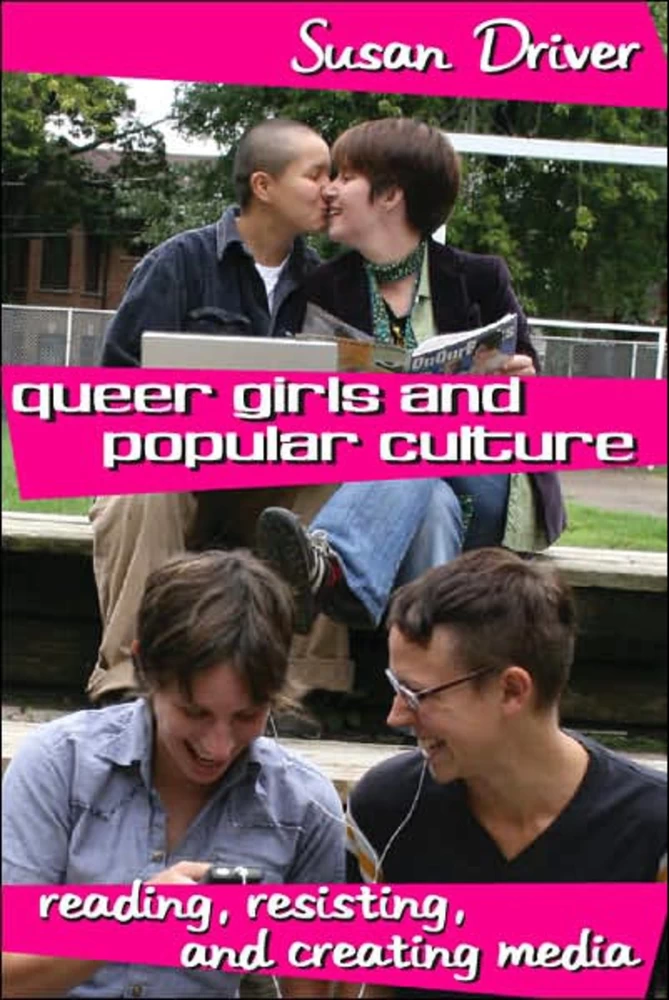
Mediated Youth first began 2007 in with the publication of Susan Driver’s Queer Girls and Popular Culture: Reading, Resisting, and Creating Media. Since then, it has published 36 volumes including titles by award winning scholars such as Mary Celeste Kearney, Nancy A. Jennings, Maya Götz, Stacey J.T. Hust and Kathleen Boyce Rodgers.
The series emerged from a scholarly landscape in which research on young people’s media forced on youths as passive consumers (Kearney, 2009). Instead, the Mediated Youth series welcomed works that, wherever possible, included the voices of young people themselves, thus shifting scholarly attention from studies about children and young people to research that was conducted with them.
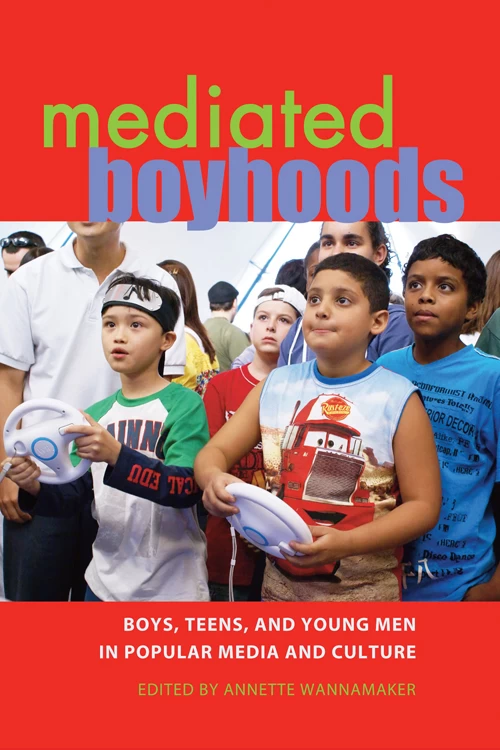
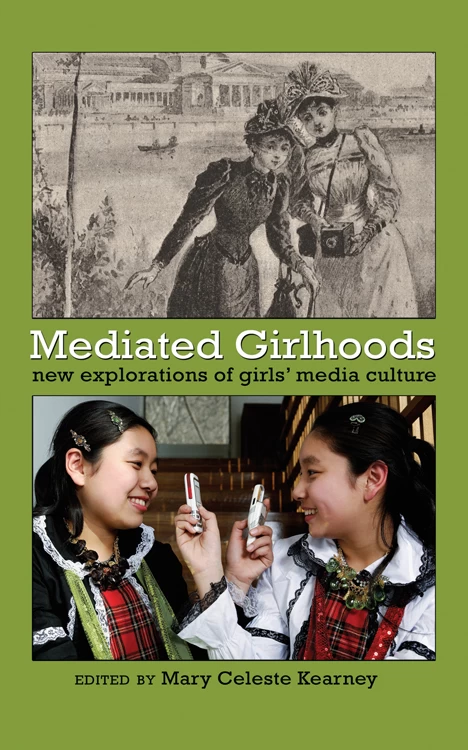
For example, in 2011 the series published Annette Wannamaker’s Mediated Boyhoods: Boys, teens and young men in popular media and culture, and Mary Celeste Kearney’s Mediated Girlhoods: New explorations of girls’ media culture as companion pieces that addressed assumptions about the homogenous nature of girlhood and boyhood. The methodologies of both volumes privileged the experiences of girls and boys with the intent of centering their voices within scholarship. Both volumes provided “more dynamic means to conceptualize the complexity of young people’s relationship with media culture” and by deciding to publish the books as companion pieces, the series “open[ed] up opportunities to assess the trajectories and oversights of the two fields” (Coulter 2012, 354).

The series also responded to calls within the field to move away from feminist influenced scholarship, such as that of Simone de Beauvoir (1989), which studied female youth “only as it related to… the social construction of women” (Kearney, 2009). Instead, works in the series contributed to a growing body of work that moved “away from studying girls as future women [emphasis added] and toward analyzing girls as members of a unique demographic group” (Kearney, 2009). For example, Currie, Kelly and Pomerantz’s 2009 book ‘Girl Power’: Girls Reinventing Girlhood “distinguish[ed] between ‘girlhood’ as a cultural ideal, and girls as the embodied agents through which girlhood becomes a social accomplishment” (Currie et al., 2009).
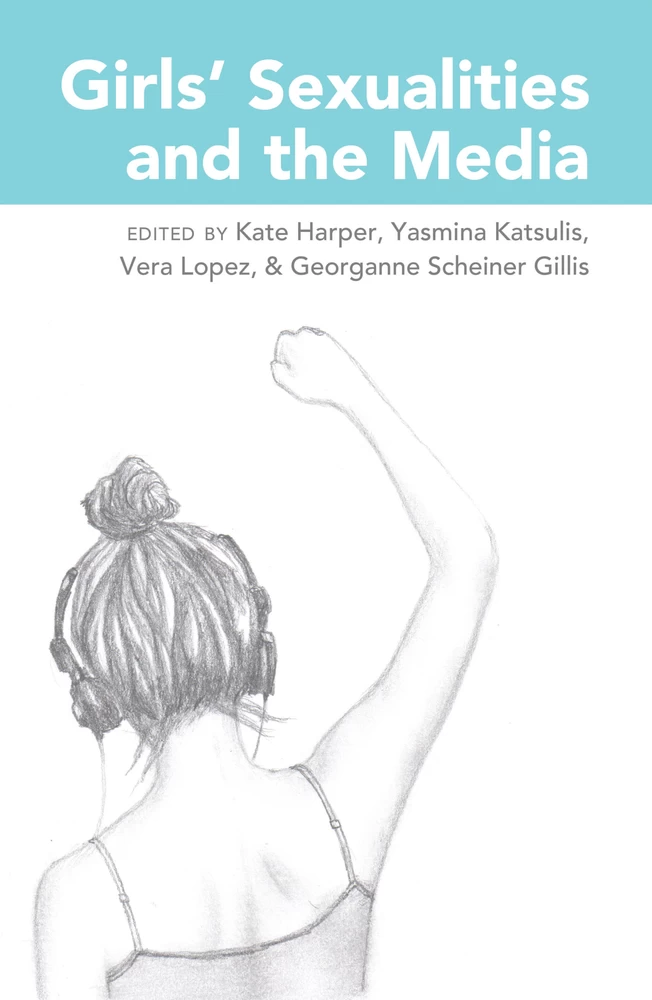
Likewise, Harper et al.’s edited collection, Girls’ Sexualities and the Media, published as volume 23 in the series, expanded existing sexualities literature to foreground “the voices of other girls whose voices are often ignored particularly racial/ethnic minority and indigenous girls, sexual minorities, and girls from non-U.S. settings” (Harper et al. 2013). The series therefore made a significant contribution to the development of the field by publishing works that envisioned youth (and particularly girlhood) experiences as a distinct category of enquiry that required and enabled distinct modes of enquiry.
As the field of youth studies developed and expanded, the series responded by foregrounding perspectives from marginalized, international, and intersectional experiences.
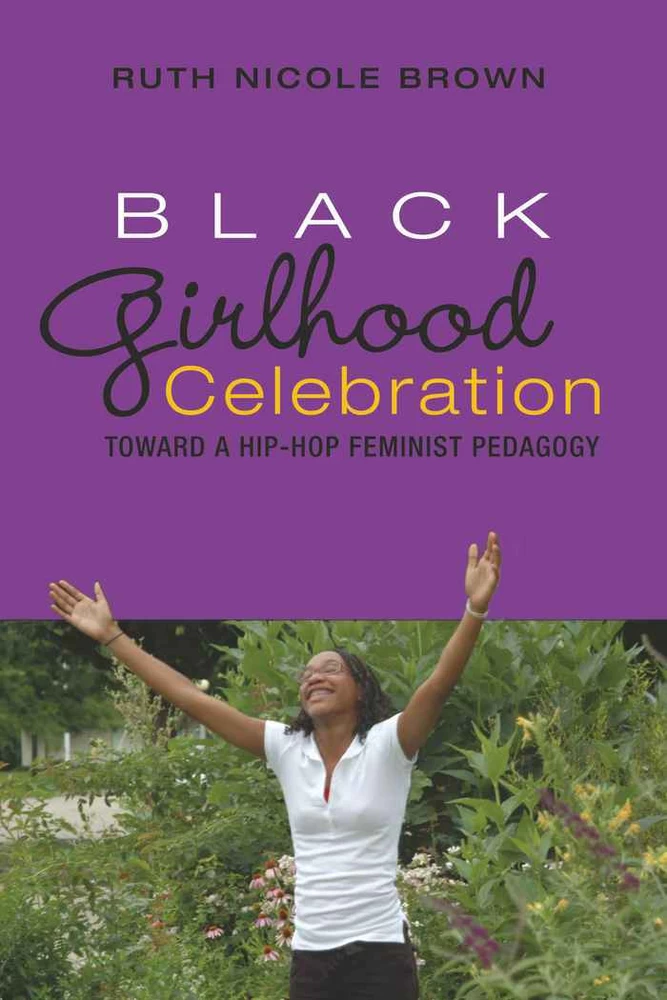
For example, Park and Lemish’s 2019 volume KakaoTalk and Facebook: Korean American Youth Constructing Hybrid Identities highlighted that “traditional assumptions about assimilation of second-generation immigrants into a host society and suggest that digital technologies facilitate the process of segmented assimilation, according to which ethnic identities continue to play a central role in the identity of children of immigrants” (Park and Lemish, 2019). Ruth Nicole Brown’s earlier volume Black Girlhood Celebration: Toward a Hip-Hop Feminist Pedagogy, published as volume five in the series, passionately advocated for the celebration of Black girlhood and argued that “that hip-hop is not only music, but also an effective way of working with Black girls” while also recognizing “the everyday work many young women of color are doing, outside of mainstream categories, to create social change by painting an unconventional picture of how complex – and necessary – the goal of Black girl celebration can be” (Brown, 2009).

Works in the series have also addressed specific themes with interdisciplinary approaches. While girls’ princess culture has generated scholarly enquiry, the series published the first volume to bring together international and interdisciplinary perspectives (Forman-Brunell and Haines, 2015). A 2015 volume published in the series established Dolls Studies as an interdisciplinary filed of scholarly enquiry (Forman-Brunell and Whitney, 2015) and the series even published one of the first edited collections that positioned the Twilight series of books and films as a category of enquiry that could provide new understandings of “recurrent messages about youth, gender roles, romance, and sexuality” (Click et al., 2010)
As Sharon Mazzerala winds down her role as series editor for the series, Natalie Coulter takes over and will lead the series through a shift in re-defining what we mean and understand by Mediated as young people’s media and digital lives become more complex. Stay tuned for more reflections from Natalie.
References
Aguiló-Pérez, E. R. Princess Cultures: Mediating Girls’ Imaginations and Identities. [Review]. American Journal of Play, 8(3), 397-399.
Brown, R. N. (2009). Black Girlhood Celebration. https://www.peterlang.com/document/1104520
Click, M. A., Stevens Aubrey, J., & Behm-Morawitz, E. (2010). Bitten by Twilight. https://www.peterlang.com/document/1050952
Coulter, N. (2012) Separate Playgrounds: Surveying the Fields of Girls’ Media Studies and Boyhood Studies. [Review of Mediated Boyhoods: Boys, Teens, and Young Men in Popular Media and Culture. Edited by Annette Wannamaker. (2011). Mediated Girlhoods: New Exploration of Girls’ Media Culture. Edited by Mary Celeste Kearney. (2011).] Canadian Journal of Communication. 37(1), (pp. 353 – 363).
Currie, D. H., Kelly, D. M., & Pomerantz, S. (2009). ‘Girl Power.’ https://www.peterlang.com/document/1143770
Beauvoir, Simone de. (1949) 1989. The Second Sex. Trans. H. M. Parshley. New York: Knopf.
Forman-Brunell, M., & Hains, R. C. (2013). Princess Cultures. https://www.peterlang.com/document/1118265
Forman-Brunell, M., & Whitney, J. D. (2015). Dolls Studies. https://www.peterlang.com/document/1118266
Harper, K., Katsulis, Y., Lopez, V., & Scheiner Gillis, G. (2013). Girls’ Sexualities and the Media. https://www.peterlang.com/document/1051372
Kearney, M. C. (2009). Coalescing: The Development of Girls’ Studies. NWSA Journal, 21(1), 1–28. http://www.jstor.org/stable/20628153
Park, J., & Lemish, D. (2019). KakaoTalk and Facebook. https://www.peterlang.com/document/1057133
