
 en
en 
We are pleased to highlight the latest reviews for our publications. These reviews reflect the hard work and dedication of our authors and we are pleased to see their titles receiving the professional recognition they deserve.
We invite you to read the reviews and join us in acknowledging our authors’ achievements. Our thanks go out to the reviewers for providing such constructive commentary. All titles are available to purchase from www.peterlang.com.
Review Highlights
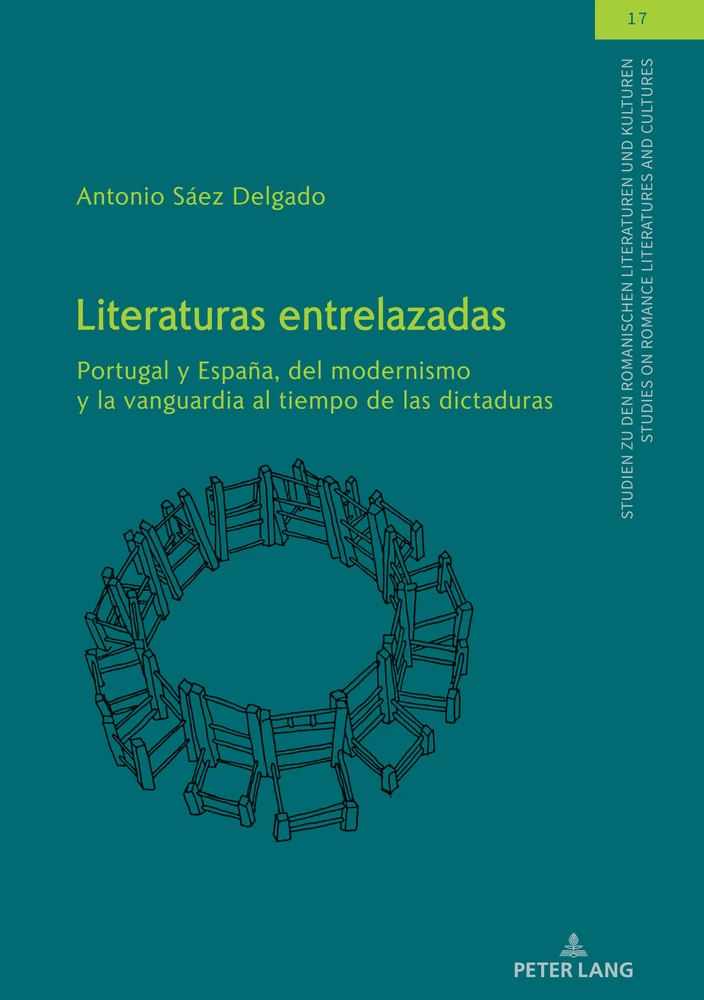
Title: Literaturas entrelazadas by Antonio Sáez Delgado
Review by: Fernando Cid Lucas (Universidad de Macerata)
“Literaturas entrelazadas se impone como una obra necesaria, no solo por la solidez de sus análisis, sino por la saludable incomodidad que introduce en ciertas inercias críticas todavía dominantes. Frente a la comodidad de los compartimentos nacionales, Sáez Delgado restituye a la literatura su condición natural: la del diálogo, la circulación y el contagio intelectual.”
Featured in: Revista humanitats (2026). Nº 10
Link: SÁEZ DELGADO, Antonio: Literaturas entrelazadas: Portugal y España en el tránsito del modernismo a la vanguardia. Berlín, Peter Lang, 2021. – Arxiu Digital UIC
Title: Discourse Markers in Romance Languages. Crosslinguistic Approaches in Romance and Beyond by Cecilia-Mihaela Popescu, Oana-Adriana Duță
Review by: Silviu Cociuban
“El lector notará en las páginas de este volumen la calidad de las contribuciones, dejando patente el hecho de que, debido a su heterogeneidad, el campo de los marcadores del discurso todavía tiene bastante potencial de investigación en las lenguas románicas, aun tratándose de un objeto de estudio extensamente analizado. En definitiva, se trata de un volumen cohesionado y valioso, que con certeza será de provecho para cualquier interesado ya sea en los marcadores del discurso, ya sea en la lingüística románica.”
Featured in: Revista Internacional de Lingüística Iberoamericana (RILI). Volumen XXIV (2026). Nº 47.
Link: – Iberoamericana
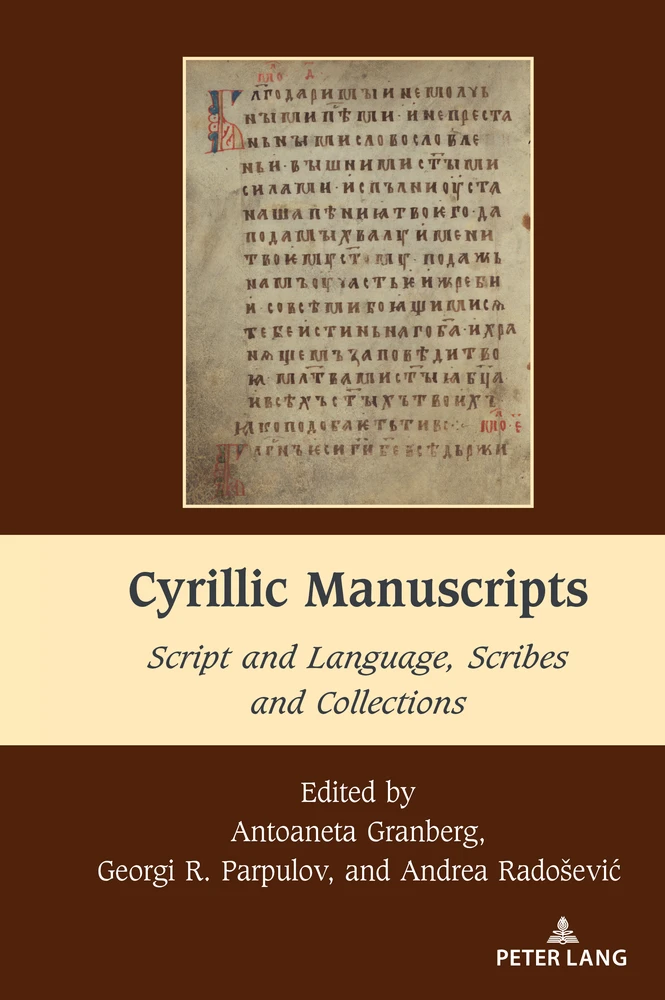
Title: Cyrillic Manuscripts by Antoaneta Granberg, Georgi R. Parpulov, Andrea Radošević
Review by: Ivan P. Petrov (University of Vienna)
“In conclusion, this volume offers not only new data on textual witnesses and their role in the transmission of texts, but also new methodological approaches and theoretical frameworks through which questions of traditional philology can be addressed. The chapters cover variety of traditions connected with the Cyrillic script, within in a time frame extending from the medieval period to the early modern era. The discussions range across both handwritten and printed witnesses, and from canonical to ‘marginal’ texts, thus extending the scope of traditional philology and entangling it with the scholarly narratives of the new century.”
Featured in: SCRIPTA & e-SCRIPTA. Vol. 26 (2026)
Link: scripta_26_665_670_reiews_elisaveta_musakova.pdf
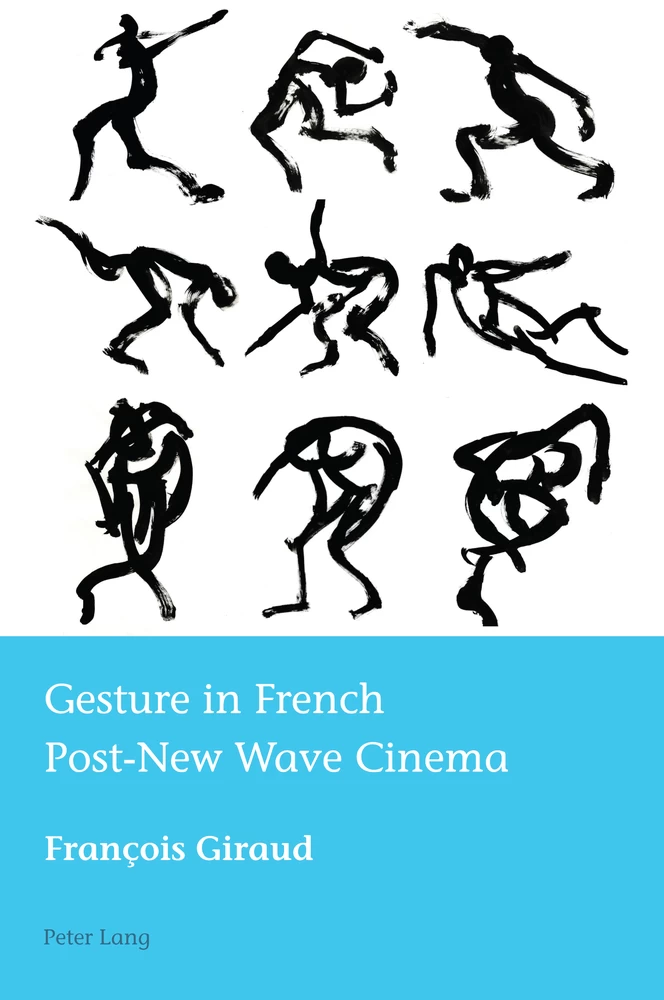
Title: Gesture in French Post-New Wave Cinema by François Giraud
Review by: Douglas Morrey (University of Warwick)
“Giraud’s book is thoroughly researched and demonstrates excellent knowledge of French film theory and avant-garde film history and practice, and it is scattered throughout with incisive close readings.”
Featured in: H-France Review Vol. 26 (March 2026), No.15
Link: vol26no15Morrey.pdf

Title: Venice in Las Vegas by Alan N. Shapiro
Review by: Nolan Bazinet (Université de Sherbrooke)
“Born in 1956 in Brooklyn, New York, Alan N. Shapiro came into adulthood like many children of the postwar era, during America’s actualization as the world’s preeminent superpower. Thus, in many ways, his narrative resembles a dual bildungsroman, his maturation parallelling America’s. Yet what makes Shapiro’s auto-socio-biography particularly compelling is his weaving of notable sociological insights into his personal narrative, elucidating the theoretical and ideological underpinnings of the former to better contextualize the latter.”
“Clearly, Shapiro’s coming of age narrative through the political and social upheaval of mid-century America is a familiar tale. However, his auto-socio-biography brings a new twist on this well-trodden path, weaving together key sociological and philosophical insights within autobiographical (and presumably fictional) accounts.”
Featured in: Review of Education, Pedagogy, and Cultural Studies, August, 1-4
Link: https://doi.org/10.1080/10714413.2026.2715449

Title: Heritage, Connection, Writing by Laima Vincé
Review by: Žydronė Kolevinskienė. Translated by Agnieška Leščinska
“The book demonstrates that the Lithuanian diaspora of the twenty-first century is shaped by several waves of migration, different languages, diverse historical experiences, and multifaceted relationships with Lithuania. It represents a significant attempt to redefine what it means to belong to Lithuania in the twenty-first century, even when one lives on another continent and writes in another language.”
Featured in: Vilnius Review. The Online Magazine for Lithuanian Literature (August 2026)
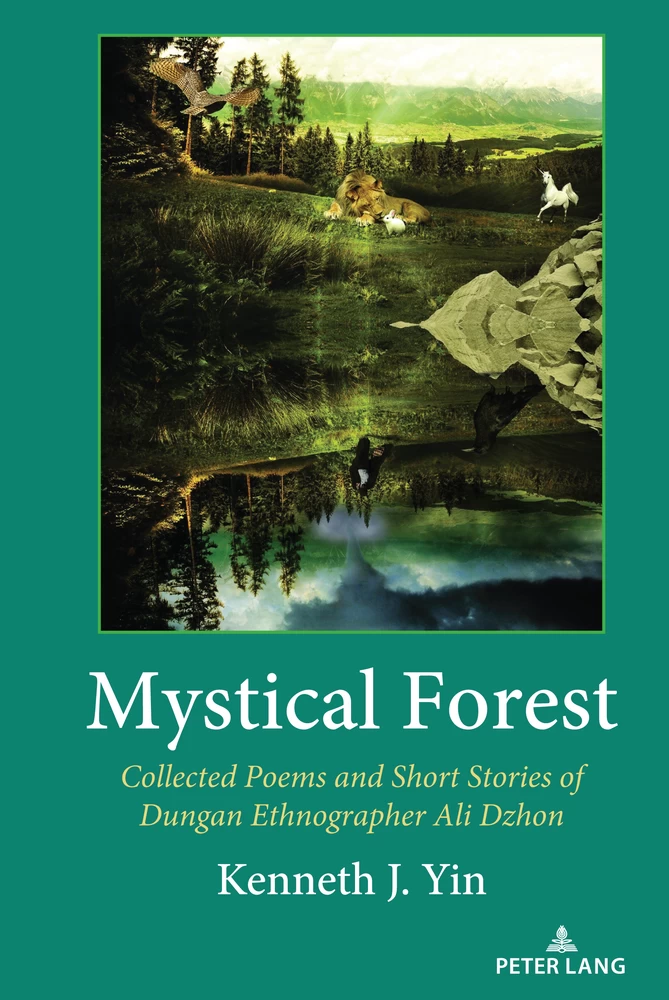
Title: Mystical Forest by Kenneth J. Yin
Review by: Mark Bender (The Ohio State University)
“Yin demonstrates not only deep engagement with Dungan literature, but a resonant connection with the creative soul of Dzhon. The collaboration between Yin and Dzhon traverses thousands of miles and several cultural barriers, but the result is a rare glimpse into the world of a poet and writer whose work is at once highly personal and idiosyncratic yet probes into Dungan history, culture, and identity in several historical contexts.”
“Yin’s work gives us an opportunity to discuss the role of translators as ‘cultural bridges,’ who aid in the exposure, representation, and interpretation of works between cultures and audiences literally around the world in an increasing array of media outlets.”
Featured in: Asian Ethnology Vol. 85, Issue 1 (2026)

Title: Hegel und das Sollen by Thomas Auinger, Friedrich Grimmlinger, Linda Obermayr
Review by: Andreas Arndt (Humboldt-Universität zu Berlin)
“Die vorliegenden Beiträge machen deutlich, dass Hegels Sollenskritik sich nicht in der Kritik eines leeren Sollens erschöpft, sondern im Sinne der Widersprüchlichkeit des Endlichen und damit auch der gesellschaftlichen und politischen Strukturen des objektiven Geistes Potentiale einer immanenten Kritik der Realität enthält, statt sie kritiklos zu affirmieren. Die Lektüre dieses Buches kann daher dazu beitragen, viele Missverständnisse über Hegel auszuräumen.”
Featured in: Das Argument, Heft 2 (2026)