Summary
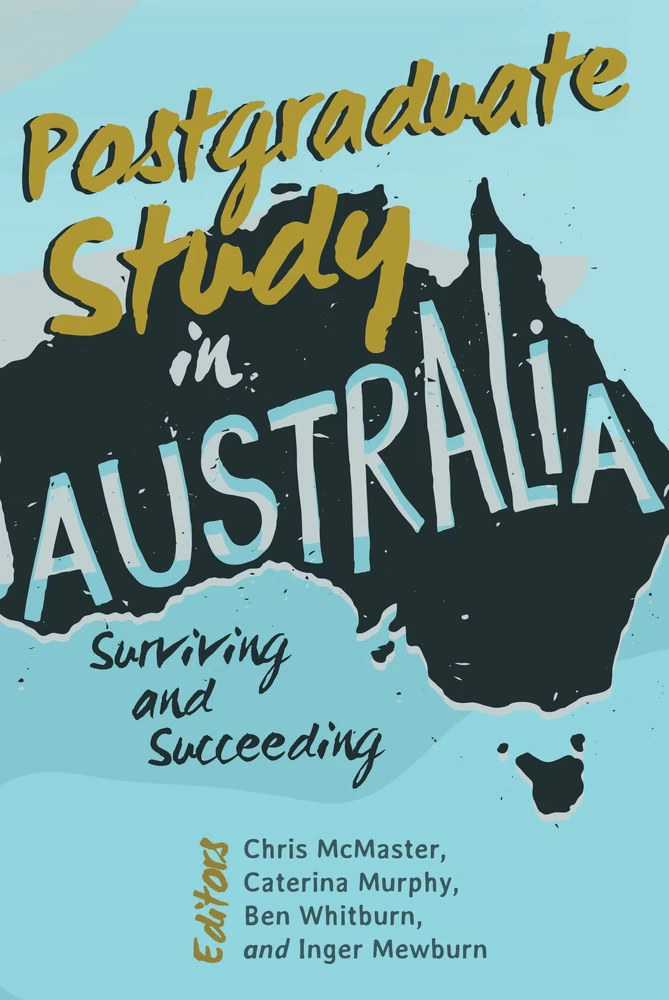
Each contributor to this book was given the remit: "If you could go back in time to talk with yourself when you began your studies, what advice would you give?" Hindsight is such a bonus, especially, when vying for your doctorate or postgraduate degree. Postgraduate Study in Australia: Surviving and Succeeding addresses this with advice from postgraduate students and recent graduates that will assure that you are not alone in your endeavors.
This project follows similar editions that focus on Aotearoa/New Zealand, South Africa,
the United States, and the United Kingdom, and is currently being replicated in Scandinavia. This down-to-earth anthology shares personal stories from postgraduate students and recent graduates, employing a practical approach and focusing on the context of postgraduate studies in Australia. This first-person approach to research about postgraduate study helps curate the current understanding, with critical reflections adding to our collective knowledge. Both prospective and current postgraduate students will find this collection insightful.
This project follows similar editions that focus on Aotearoa/New Zealand, South Africa,
the United States, and the United Kingdom, and is currently being replicated in Scandinavia. This down-to-earth anthology shares personal stories from postgraduate students and recent graduates, employing a practical approach and focusing on the context of postgraduate studies in Australia. This first-person approach to research about postgraduate study helps curate the current understanding, with critical reflections adding to our collective knowledge. Both prospective and current postgraduate students will find this collection insightful.
Excerpt
Table Of Contents
- Cover
- Title
- Copyright
- About the author(s)/editor(s)
- About the book
- This eBook can be cited
- Contents
- Foreword: Making Sense of Experience (Pat Thomson)
- References
- Preface and Acknowledgments
- Part One: Postgrads at Work
- Chapter One: Red Pen Blues: Dealing with Rejection and Critical Feedback (Clare Rhoden)
- Introduction
- Responding to a Call for Papers (CFP)
- Why submit papers?
- How can you submit your work?
- Where would you submit your work?
- What Kind of Feedback can you Expect?
- Rejections, and how to make the most of them
- When the message hurts
- A recipe for responding
- Maybes
- Acceptances
- The Other Side
- Seven Steps to Improve your Chances
- Conclusion
- References
- Chapter Two: An Academic Apprenticeship: Publishing during Doctoral Candidature (Courtenay Atwell / Jenny Buchan)
- Introduction
- Publishing during Candidature
- Benefits to Candidature
- Build Your Brand
- Post Candidature Benefits of Publishing
- How to Start Writing
- Difficulties
- What you can Expect from your Supervisor
- An Unsupportive Supervisor
- Conclusion
- References
- Chapter Three: A Word to the Wise about Creating a Thesis Including Publications (Lara Corr)
- Introduction
- Different types of theses that include Publications
- Thesis by publication
- Thesis with publication(s)
- Traditional thesis
- First Year: The World is your Oyster!
- Support in writing your article(s)
- How much of the article needs to be my work?
- How many articles do I need?
- How many publications can I produce?
- Data, data, data
- Second Year: No Time to Waste!
- PhD timelines with publication in mind
- Where should I publish my research?
- ‘Bonus’ time!?
- Third and Final Years: The Highs and Lows of Publishing
- Revision, rejection and resubmission
- Fitting your data into the word limit
- ‘Frozen in time’: You change but your papers stay the same
- Bringing it all together: Creating a cohesive story
- Worst case scenarios: Rewriting articles into chapters
- Submitting a Thesis with Publications: Gaining an Edge Worth Fighting For
- Reference
- Chapter Four: Three-minute Thesis Competition: Ready, Set, Go! (Haiyan Liang)
- Introduction
- Structure
- Judging criteria
- Background
- The research topic
- The research design
- Methods and results
- Verbal Language and Body Language
- An eye-catching title
- Jargon-free verbal language
- Importance of repetition
- Involving your audience
- Maintaining eye contact
- Hand movements
- Powerpoint Slide
- Concluding Remarks
- Recommended List of Digital Recordings
- Chapter Five: You Do Not Have to Be the Next Great Australian Writer: Battling the Creative Thesis (Alexia Champion)
- What is the Creative Thesis? What does that Even Mean?
- Freedom isn’t Freeing
- Pressure from all Sides
- Everything is Rubbish and that’s Okay
- References
- Chapter Six: Teaching as a Strategic Choice (Federico Davila / Walter Reinhardt)
- Introduction
- The Scope of Teaching
- The Benefits of Teaching during your Postgraduate Study
- The Costs of Teaching, or, Know your ‘Time Vortex’
- The Danger Zone
- The Strategic Choice
- References
- Chapter Seven: Playing, Moving and Shifting: Finding Your Academic Voice (Sharon Mcdonough)
- Introduction
- Move 1: Become Open to Change
- Move 2: Examine the Language and Writing in your Field
- Move 3: Take a Journey through Some of the ‘Ologies’
- Move 4: Start to see yourself as a Writer
- Move 5: Make Writing a Habituated Practice
- Move 6: Write yourself into Knowing and Being
- Conclusion
- References
- Part Two: Learning Important Lessons
- Chapter Eight: From Wagyu Steak to 2-Minute Noodles: Surviving the Financial Downturn of a PhD (Peiyi Wang)
- Introduction
- Part One: The Sinking Begins
- Keep your eyes on the ball
- Look out for lifeboats
- Part Two: Converting Research Skills to Survival Skills
- Define the problem
- Identify the significance
- State the contributions
- Meet ethical standards
- Acknowledge the limitations
- Live to Tell the Tale
- Chapter Nine: Who Am I?: Surviving the Battle of the Roles (Bessie Stone)
- Introduction
- Teacher Scrambled-brain
- Someone to ‘Role’ With
- Something Needed to Give
- Academic Seclusion and Guilt
- Goodbye Guilt
- What will Work for You?
- Final Reflections
- Conclusion
- Reference
- Chapter Ten: Parenting Through a PhD (Quinn Eades)
- Introduction
- Imposter!
- Subject Librarians
- Accessing a Range of Resource Pools
- Building Networks
- The Shut up and Write Technique
- Presenting your Ideas in a Public Forum
- When Life gets in the Way
- Conclusion
- References
- Chapter Eleven: How to Become a Researcher: Developmental Opportunities on Campus and Beyond (Lilia Mantai)
- Introduction
- Developing as a Researcher in the PhD
- The Benefits of Engaging in Developmental Activities during the PhD
- The Value of Supportive and Social Connections
- References
- Chapter Twelve: Surviving Your Supervisors: How I Learned to Stop Worrying and Love the Thesis (Eliza Howard)
- Introduction
- Lesson One: Every Little Thing is Going to be Alright ...
- Lesson Two: Choose your Supervisors Wisely
- Lesson Three: Listen to your Supervisor(s), then your Peers
- Lesson Four: Manage Up
- Lesson Learned: Surviving your Supervisors
- References
- Chapter Thirteen: Stereotypes and Self-Belief: The Perpetual Student and the ‘False Finish’ Dilemma (Benjamin Hayward)
- Introducing the Stereotypical, Perpetual Student
- Cause: Understanding the False Finish, and Why it might Occur
- Effect: Understand and Anticipate the False Finish
- Self-belief and Weathering the Storm
- Conclusion: Reflections from a Post-PhD Perspective
- References
- Chapter Fourteen: Where Did It All Go Wrong?: Ethical Dilemmas of a Murdered Research Participant (Anne Ferguson)
- Introduction
- In the Field
- Which way should I Go?
- Inside Prison Walls
- Interviewer to Interviewee
- Where to now?
- Where does that Leave me?
- Do I have Any Advice?
- References
- Part Three: Grounded in Oz: Honouring Indigeneity
- Chapter Fifteen: Our Mob are Researchers Too!: The Story of an Aboriginal Researcher Seeking New Paradigms (Marnee Shay)
- Introduction
- Personal storying
- Aboriginal and Torres Strait Islander People and Higher Education Access
- From the ‘Researched’ to the ‘Researcher’
- Conclusion
- References
- Chapter Sixteen: Die, Brain Demons, Die!: The Internal Monologue of an Aboriginal Researcher (Melitta Hogarth)
- Introduction
- Hindsight is a Beautiful Thing
- Stage 1: Pre-enrolment of the Masters
- Decisions, Decisions, Decisions
- Stage 2: Six months since enrolment
- The Methodology of Research
- Stage 3: The day of confirmation
- The Light at the End of the Tunnel
- Stage 4: Post ethical clearance
- Hook, Line and Sinker
- Stage 5: Final seminar and examination
- Conclusion
- References
- Chapter Seventeen: Learning to Become a Storyteller: Breaking the Cycle of Academic Colonialism (Rebecca H. Bilous)
- Introduction
- Building Reciprocal Relationships
- The Importance of Time in Building Relationships
- Becoming Part of a Community of Researchers
- Place Matters and has an Active Role to Play
- Learning to Hear Stories
- Learning to Tell Stories: Becoming a Storyteller
- Final Words
- References
- Part Four: Supporting Student Needs and Student Aspirations
- Chapter Eighteen: Validating your Access Card: How to Strive Beyond Equality to Equity (or Something Close Enough) (Gabrielle Hodge)
- Equality or Equity?
- Equality is Conditional, Equity is Not
- Ask your University
- Talk to your Support Personnel
- Pretend you are Someone else and Decide for Yourself
- Find Money and Spend It
- Workers United will never be Defeated
- Play the Email Game
- Prepare for Other People to Question your Identity
- Advocate from the Bottom-up and the Top-down
- Get Cracking
- Chapter Nineteen: Treading the Tricky Terrain of Disclosure (Georgia Geller)
- Introduction
- Disclosure
- Risks of Disclosure
- The Importance of Documentation
- Stigma
- Supportive Supervision
- Strategies for Successful Completion: Exploring the Possibilities
- References
- Chapter Twenty: What Limits Should Not Define: Achieving in Postgraduate Study with a Disability or Impairment (Brian R. Basham)
- Introduction
- Defining a Word
- Setting the Scene
- My Hurdles
- Hurdle 1: Mental stresses and anxiety overload
- Hurdle 2: Going to class (or not)
- Hurdle 3: Handling feedback
- Coping Strategies
- Explain but don’t excuse
- Seeking assistance: Internally
- Seeking assistance: Externally
- Create a sacred space
- Get distracted every now and then
- Supervisory relationship
- Critical friend
- Final Thoughts
- References
- Chapter Twenty-one: An Entrepreneurial Roadmap to Managing Postgraduate Stress (Bronwyn Elizabeth Eager)
- Out of the Frying Pan and into the ...
- Keep an Eye on your 'Why'
- Diversifying Risk
- Stakeholder Management
- Launch in Beta Mode
- Developing your Network
- Crafting ‘Brand you’
- Return on Investment
- Concluding Thoughts
- Note
- Chapter Twenty-two: It’s Your Body: Maintaining Chronic Wellness During a Doctorate (Katie Buckley)
- Introduction
- Your Musculoskeletal Health
- Managing your musculoskeletal health
- Your Work Environment
- Your Mind
- Find your Flow
- Move your Body
- References
- Part Five: Backpacks and Books
- Chapter Twenty-three: Where’s My Comfort Zone?: Reflections of Two Aussie Researchers Abroad (Kate Neely / Ben Whitburn)
- Introduction
- Travelogue
- Why Go? and Why There?
- Who are you Responsible to?
- Is it Ethical?
- Is it Ok to Fly by the Seat of your Pants?
- Cultural Understanding (and Being Restrained by Language)
- Doing Research in the Abyss
- References
- Chapter Twenty-four: Fieldwork in Far-flung Places (Nicole Dicker)
- A Chapter for the Intrepid PhD Student
- A Lonely Planet Guide of Sorts
- The Author
- Getting Started on your Fieldwork Journey
- Where to Go
- When to Go
- Budget Travel
- Culture
- Language
- Beaches
- Food and Drink
- Health and Safety
- Don’t Leave Home without …
- Chapter Twenty-five: Dancing the Postgrad Tango: Flourishing in the Online University Environment (Carolyn Leslie)
- Introduction
- Warming up: Stretching and Preparing to Dance
- Stage I: Practice your Basic Dance Steps
- Stage 2: Refining your Technique
- Stage 3: Developing your Musicality
- Conclusion: Stage 4: Dancing Intimately with your Partner
- Reference
- Chapter Twenty-six: It Should Not Be a Lonely Journey: Being an International Student in Australia (Khoi Ngoc Mai)
- Introduction
- Improving English
- Adjusting to Life in Australia
- Avoiding Isolation and making Friends
- Going to Conferences and Networking
- Working in Australia
- Maintaining Relationships with Friends and Family Back Home
- Conclusion
- Reference
- About the Contributors
Library of Congress Cataloging-in-Publication Data
Details
- Pages
- XVI, 250
- Publication Year
- 2017
- ISBN (Hardcover)
- 9781433141614
- ISBN (PDF)
- 9781433141775
- ISBN (ePUB)
- 9781433141782
- ISBN (MOBI)
- 9781433141799
- ISBN (Softcover)
- 9781433141621
- DOI
- 10.3726/b11340
- Language
- English
- Publication date
- 2017 (May)
- Published
- New York, Bern, Berlin, Bruxelles, Frankfurt am Main, Oxford, Wien, 2017. XVI, 250 pp.
- Product Safety
- Peter Lang Group AG
