


 en
en  fr
fr 
by Graeme D. Eddie, author of Sweden’s Pandemic Story: COVID-19, A Chronology 2020–23. Foolhardy, Exceptional, or Just Principled?
In Spring 2020, pandemic year, many media eyes were on Sweden. Narrated to the rest of Europe was the story of no lockdown, no mask-wearing, children still at school, young people lounging about in cafes and parks, and a working economy instead of one closed down. Harshly critical politicians and scientists in other countries warned of such an unorthodox response to such a cruel virus.
As we watched the Swedish Coronavirus drama unfold, we noted the principal characters —the state epidemiologist, the director of the public health agency, the prime minister, and the health and finance ministers. It was not immediately apparent though, that other prominent actors in the drama would turn out to be Swedish and Danish mink (read the book!) and the proud and confident fixed link structure joining Sweden with Denmark.
History of the Bridge
Opened in 2000, and spanning the Sound, or Öresund — the narrow channel joining an arm of the North Sea to the Baltic Sea — separating Sweden and Denmark, the Öresund Bridge had become an iconic symbol of Nordic co-operation and engineering innovation1. Institutionally, structurally, and then physically after the opening of the bridge-tunnel fixed link, Sweden was connected to Europe and fellow member-states of the EU, which it had joined in 1995.
The fixed link represented a compromise between bridge and tunnel preferences, transitioning from a cable-stay bridge to an underwater tunnel, and creating a tangible, unified link for road and rail travel, trade, and culture. Indeed, the bridge had starred alongside Sofia Helin (playing Saga Norén, a Swedish police investigator with Asperger Syndrome) in the acclaimed Nordic crime drama, The Bridge, running 2011–18, and broadcast all over the world.
In June 2000 and every summer between 2002 and 2006, and again in 2010 and 2025, the Danish capital Copenhagen, the Öresund Bridge, and the Swedish city of Malmö had co-hosted Broloppet Half Marathon (The Bridge Run). Although only an occasional sporting event, the 2000 run was still listed among the top ten races in the world based on the number of participants and finishers.
In the first couple of years of its life, total traffic2 across the bridge, including commuter-, leisure-, business traffic, and freight (motorcycles, cars, cars with trailers, busses, trucks and vans) amounted to 1.6 million (2000) and 2.9 million (2001). By 2006, bridge traffic had reached 5.7 million, and revenue was perhaps too lucrative, and the structure too busy, to slow right down for an athletic event lasting much of the day. In 2010, traffic was 7 million, and in 2019 it had reached 7.4 million. And then in 2020, Covid-19 arrived in Sweden.
A Pandemic Story
In autumn 2019, reports came to the Swedish Foreign Ministry of a novel coronavirus outbreak that had gripped the Hubei Province of China. Into 2020, the outbreak would become a global pandemic, as Covid-19 swept the globe and arrived in Sweden, bringing the first confirmed case to the city of Jönköping, in late-January. On 11 March, the day that the WHO declared the outbreak to be a global pandemic, Sweden’s first recorded death from Covid-19 occurred at the Karolinska University Hospital in Huddinge, Stockholm. The victim had been over 70 years old with underlying health problems. By mid-March, and with agreement at EU level, non-essential travel into Sweden was banned from all countries except those in the EEA and Switzerland to mitigate the effects of the outbreak and to reduce the spread of the disease. From 14 March 2020, when stricter rules for entry into Denmark had been imposed, the Öresund Bridge had been partially closed, 20 years since its formal opening to traffic. By the end of–March, the EU was in lockdown, though in Sweden less so.
Widely reported on at the time had been Sweden’s unique approach to tackling Covid-19. It had often been described as an ‘experiment’ and ‘maverick’ and had been met with both harsh criticism and some admiration, both at home and abroad. The approach had been described by scientists, politicians, and journalists alike, as risky, brave, and sometimes foolhardy. Sweden was an ‘outrider’, an ‘outlier’. The criticism and admiration – a fascination in a way – had been particularly focussed on the decision to keep nurseries and primary schools open, a lack of national lockdown, and no mask-wearing. As the months had passed however, and into the second year of the pandemic, it came to be realized that while Sweden had suffered many more deaths than its Nordic neighbours, particularly among the elderly in care homes, there had been substantially fewer Swedish deaths overall than in other EU members states of comparable size — in Czechia, Greece, Hungary, and Portugal for example.
But no matter, in the months of the pandemic, after EU member states had adopted a ‘traffic-light’ system to limit the spread of Covid-19 and to maintain free movement within the bloc under safe conditions, and as neighbouring countries began to put in place more relaxed travel measures, Sweden found itself kept out of these. The concentration of Covid-19 in Sweden prevented it from being included. Those wishing to travel to Denmark from Sweden say, had to have a valid reason for doing so, such as living or working there, delivering vital goods, or holding Danish citizenship.
Coronavirus and the devastation in its wake had abruptly closed European borders with the travel restrictions put in place ending ‘free movement of people’, a central pillar of the EU Treaty. The European route E20 via the Öresund Bridge and through Sweden was one of the main road traffic routes from Copenhagen to Helsinki, Finland, and while the bridge had remained open to freight traffic in either direction, as well as to private vehicular travel to Sweden, there were stricter rules for travel into Denmark from Sweden.
As for the Öresund Bridge, in May 2020, the total traffic — motorcycles, cars, vans, and coaches — had been 292,806. This compared with 650,211 in May 2019. As part of travel and free movement under safe conditions, and on a bridge with much less traffic than in a ‘normal’ year, checks still had to be carried out, and queues soon built up. That May, when a six-kilometre-long line of Danish traffic built up, returning from Sweden after the weekend holiday marking Ascension Day (Kristi himmelsfärdsdag), resentment had been fuelled in Sweden over Danes being able to travel freely into the country, while they were barred from travelling to Denmark without good reason. It would not be until August 2020 before Swedes found themselves being included in what had become known as ‘travel bubbles’.
A Recovery
Well into 2021, following 18 months of disruption and to encourage renewed travel between Sweden and Denmark, the commercial operator of the Öresund Bridge (registered as Øresundsbro Konsortiet) announced the launch of a 3-month discount offer to kickstart use of the bridge again and re-invigorate the Öresund Region concept. This international region, composed of Sweden’s third city of Malmö and the Danish capital Copenhagen, and their regional hinterlands, was supposed to have been a common metropolitan area, but it had undergone division during the pandemic. The hospitality industry had been hit especially hard. The number of overnight stays on either side of the Sound had crashed to a record low during the first half of 2021. In Region Skåne, Sweden’s most southerly, overnight stays in guest or tourist accommodation had decreased by 81 per cent compared with the first half of 2019. In the Capital Region of Denmark and Region Zealand, overnight stays of guests and tourists from Sweden had decreased by 91 per cent.
The launch of a ‘Buy one journey, get one free’ offer available between 1 September and 30 November 2021 was an attempt by the bridge consortium to inject greater optimism and to encourage increased travel on both sides of the Sound. Travellers using the bridge were offered favourable discounts in hotels across the Öresund Region.
Cross-border cooperation to match Danish jobs to Swedish jobseekers, and vice versa, had also gotten underway again by the autumn. One initiative was a collaboration between the Capital Region of Denmark, Malmö and Copenhagen municipalities, the Danish Chamber of Commerce (Dansk Ehrverv), and the Swedish Public Employment Service, aimed at solving a post-pandemic labour crisis on both sides of the Öresund and to fill 53,500 Danish private sector vacancies with 65,000 unemployed people in Skåne. The hotel and restaurant industries on both sides of the cross-border region had been struggling to fill vacancies, with several hotels keeping rooms closed because they had not been able to find staff.
After the 2- to 3-year pandemic blip, the notion of a common metropolitan area of greater Malmö and greater Copenhagen — the Öresund Region concept — would return. While in 2020 and 2021, bridge traffic had dipped to 4.6 million and 4.8 million respectively, back to 2004 levels basically, and affecting revenue and profits, by 2022 traffic had grown to 6.7 million, in 2023 it was 7.2 million, and in 2024 it had reached 7.5 million — back to pre-Covid 19 levels. The region was moving again.
Pandemic closures and reduced traffic had indeed been ‘but a blip’, and the Öresund Region was now recognized as the largest labour market in the Nordic region with a population of 4.2 million, though Malmö was perhaps more of an observer to Copenhagen’s success, being a capital city after all, to Malmö’s third city status in Sweden. Celebrating the 25th anniversary of the opening of the fixed link, another Broloppet Half Marathon was held in June 2025 with 40,000 participants, the first man over the line with quickest time being Daniel Nilsson from Sweden, and the first woman was Sarah Bruun from Denmark — local successes from both countries.
About the parts played by Swedish and Danish mink in this Nordic coronavirus drama, and to discover more, read Sweden’s Pandemic Story: COVID-19, A Chronology 2020–23. Foolhardy, Exceptional, or Just Principled?
1 The construction of the Øresund Bridge was a joint project undertaken by Denmark and Sweden, and the completed bridge is owned and operated by Øresundsbro Konsortiet, jointly owned by the Danish and Swedish states. The formal name of the bridge is Øresundsbron, a Scandinavian ‘hybrid word’ merging the Danish rendering of Øresundsbroen with the Swedish Öresundsbron.
2 Traffic statistics throughout the article are taken from ‘Traffic Statistics’ on the Øresundsbron website: https://www.oresundsbron.com/about-oresundsbron/statistik-och-rapporter/traffic-statistics
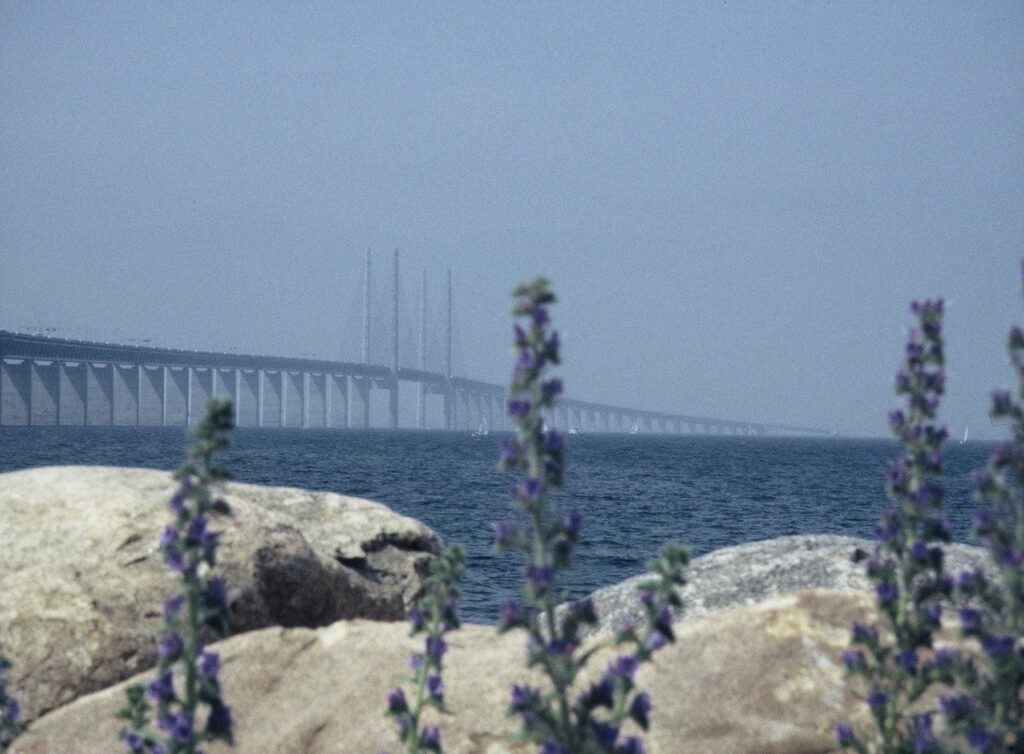
View of the Öresund Bridge from the Swedish abutment. Captured by Graeme D. Eddie.
We’re excited to share a collection of the reviews we received for this October Reviews Roundup.
These reviews are so important to our authors and are a testament to their hard work and dedicated research. You can find all of these titles on the Peter Lang website, and read the full reviews through the links below. Perhaps find a great addition to your reading list! All titles are available in print or as an ebook.
Review Highlights
Title: The Limerick Boycott in Context edited by Seán William Gannon and Natalie Wynn
Review by: Tony Kushner
University of Southampton
“it provides a superb example for scholars of both the modern Jewish experience and the workings of antisemitism and wider Jewish/nonJewish relations.”
Featured in: Irish Theological Quarterly, Vol 90, Issue 4
Link: Book Review: The Limerick Boycott in Context – Tony Kushner, 2025
Title: Baltic Human-Animal Histories: Relations, Trading, and Representations edited by Linda Kaljundi, Anu Mänd, Ulrike Plath & Kadri Tüü
Review by: Ingvar Svanberg
Uppsala
“there are many essays, offering plenty of information for anyone who wants to learn more about the relationship between humans and animals in the Baltic lands during the Middle Ages and early modern times.”
Featured in: Ethnologia Scandinavica, Vol 55
Link: Ethnologia Scandinavica 2025 | Kungl. Gustav Adolfs Akademien för svensk folkkultur
Title: Kulturpessimismus / Le pessimisme culturel: Analysen & Akteure / Analyses & Acteurs edited by Françoise Lartillot and Uwe Puschner
Review by: Moritz Maurer
University of Vienna
“This insightful overview will also be of interest to scholars of religion, not least because of the role of religious thought in the genesis of cultural pessimism.”
Featured in: Religious Studies Review, Vol 51, No.2
Link: www.onlinelibrary.wiley.com/doi/10.1111/rsr.17807
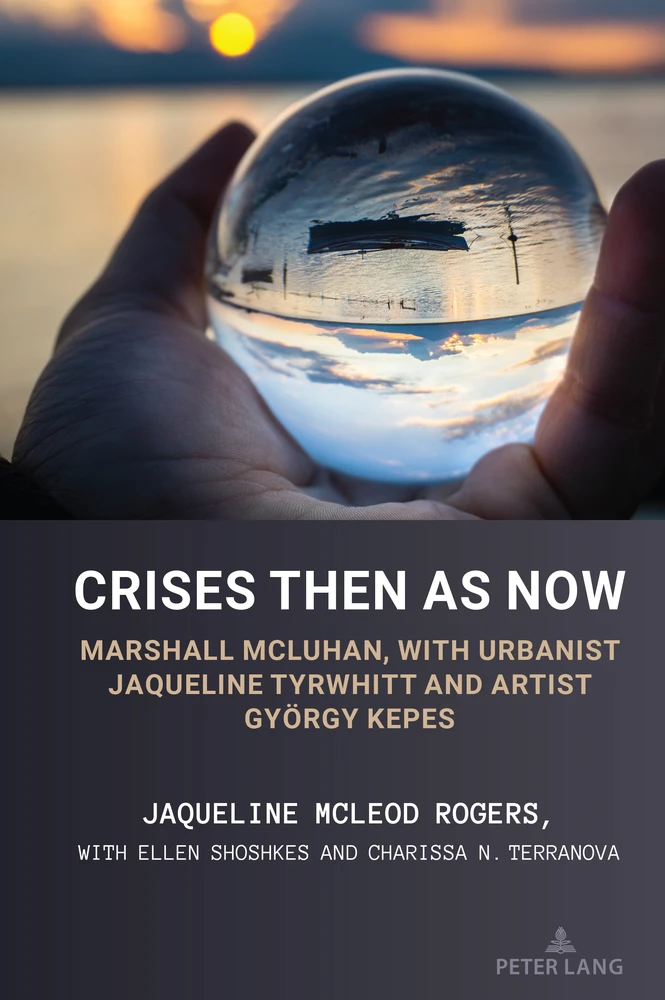
Title: Crises Then as Now: Marshall McLuhan, with Urbanist Jaqueline Tyrwhitt and Artist Gyorgy Kepes by Jaqueline McLeod Rogers
Review by: Ryan McCullough
West Liberty University
“McLeod Rogers, Shoshkes, and Terranova offer a comprehensive overview of scholarly connections that occurred more than 50 years ago. This overview demonstrates that we must continue to build on those connections through research and practice.”
Featured in: Communication Research Trends, Vol 44, No.3
Link: Communication Research Trends | Vol 44 | No. 3
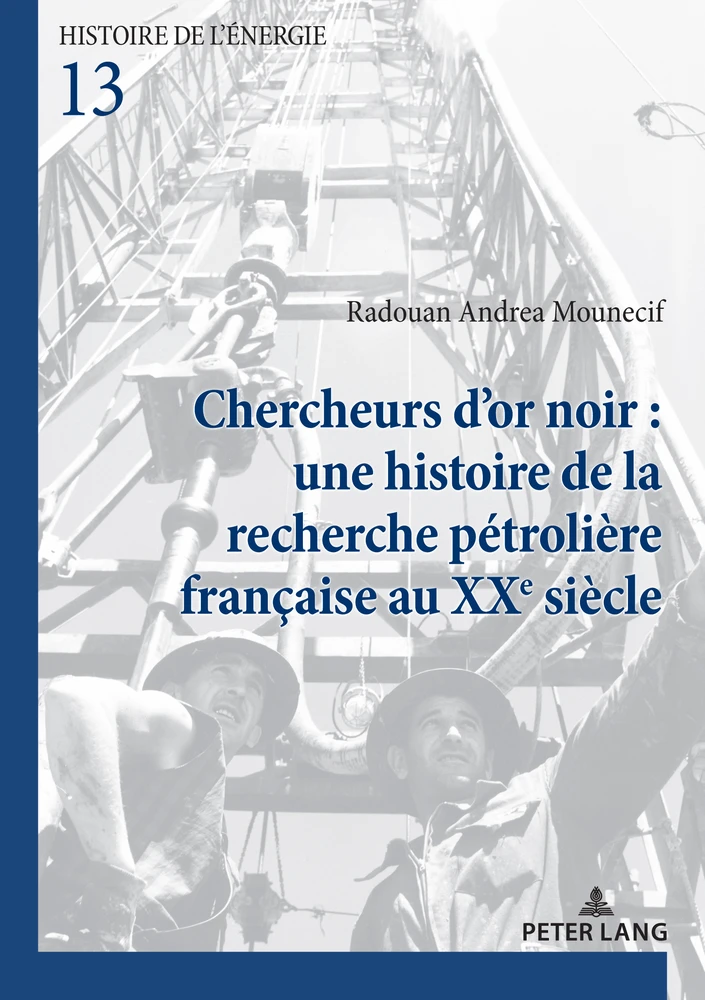
Title: Chercheurs d’or noir : une histoire de la recherche pétrolière française au XXe siècle by Radouan Andrea Mounecif
Review by: Benoît Doessant
“Radouan Mounecif’s study makes it possible to understand and critically evaluate the myth of the oil prospectors for France (as it existed long before in the United States), which had developed with the propaganda around the Saharan epic.”
Featured in: Technology and Culture, Vol 66, No.4
Link: www.muse.jhu.edu/pub/1/article/971333
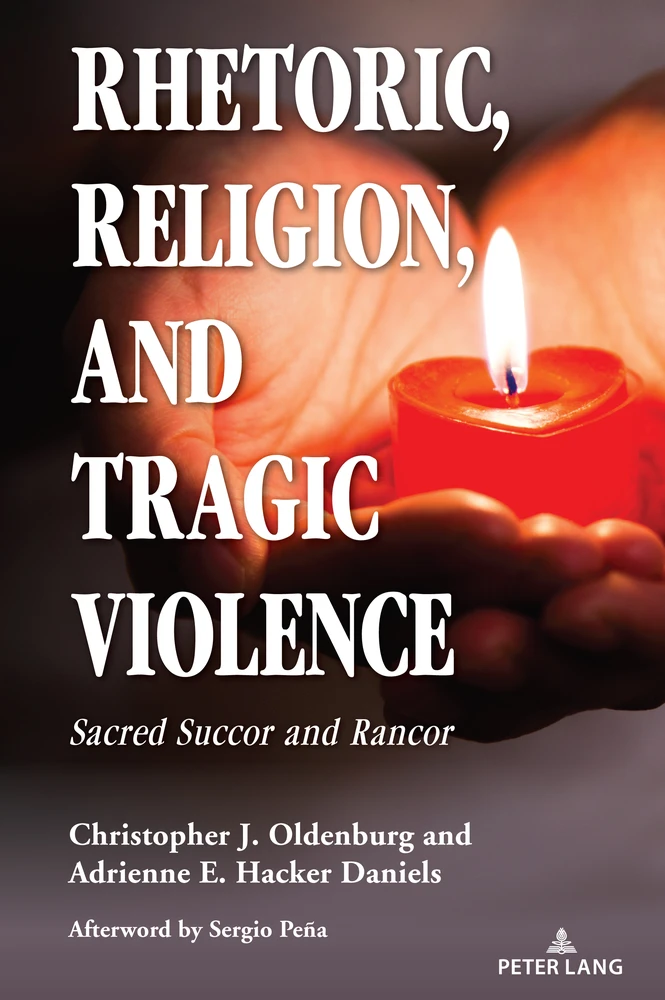
Title: Rhetoric, Religion, and Tragic Violence: Sacred Succor and Rancor edited by Christopher Oldenburg and Adrienne Hacker Daniels
Review by: David Frank
University of Oregon
“Oldenburg and Hacker Daniels’s insight into the rancor and succor that result from religious rhetoric, anchored in the notion of pharmakon, is an advance in the field.”
Featured in: Critical Studies in Media Communication
Link: https://doi.org/10.1080/15295036.2025.2558968
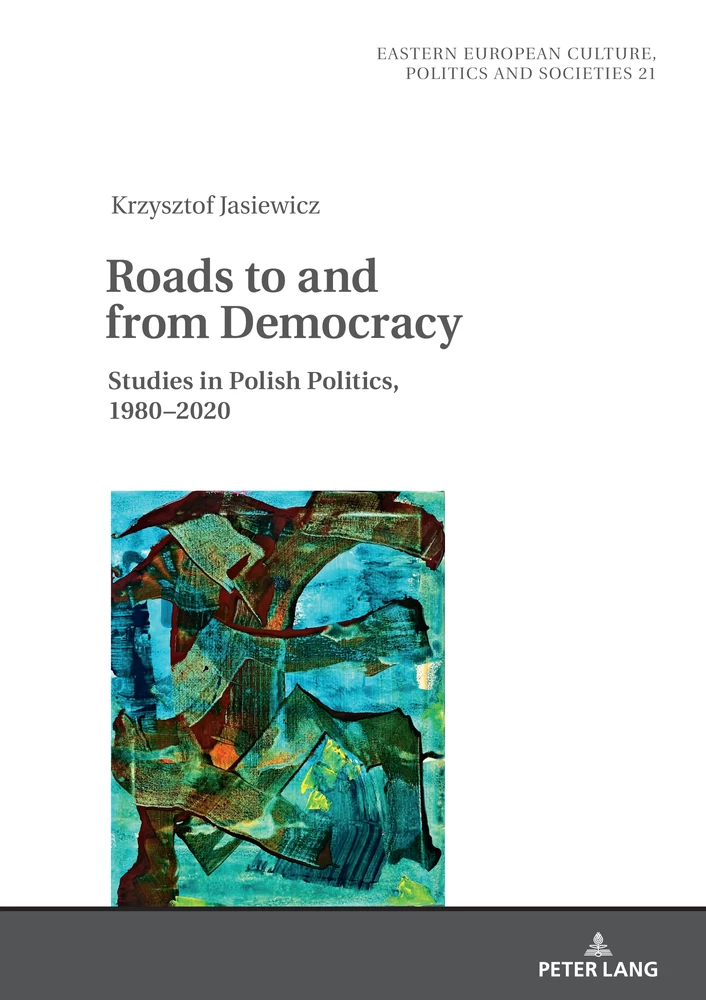
Title: Roads to and from Democracy: Studies in Polish Politics, 1980–2020 by Krzysztof Jasiewicz
Review by: Meng Yang
“The book’s greatest strength lies in its ability to trace the intersections of Polish history and contemporary politics, offering a rich interpretation of Poland’s path through the lens of nationhood, culture and religion.”
Featured in: EUROPE-ASIA STUDIES, Vol 77, No. 8
Link: https://doi.org/10.1080/09668136.2025.2552079
We are pleased to share the positive reviews that our titles are receiving in our Reviews Roundup for September 2025.
For our authors, these reviews offer important validation of their dedicated research and effort. It serves as a meaningful reward and often provides the inspiration needed for their next project.
See what readers are saying about Peter Lang titles and perhaps find an important addition for your own reading list.
We offer our congratulations to all our reviewed authors and thanks to those who take the time to write these reviews.
Review Highlights

Title: Streaming the Formula 1 Rivalry. Sport and the Media in the Platform Age
by Raymond Boyle, Richard Haynes
Review by: Hans Erik Næss,
Department of Leadership and Organization, Kristiania University of Applied Sciences, Norway
“the book’s rich empirical content and engaging narrative about the inner workings of F1 and the dynamics of global entertainment businesses make it essential reading for anyone interested in the powerful influence that global media and sport can exert to highlight their significance.”
Featured in: Revving Up the Future: Unveiling F1’s Role in Shaping Global Media Dynamics, idrottsforum.org, Nordic Sport Science Forum, from Malmö University
Link: Revving Up the Future: Unveiling F1’s Role in Shaping Global Media Dynamics | idrottsforum.org
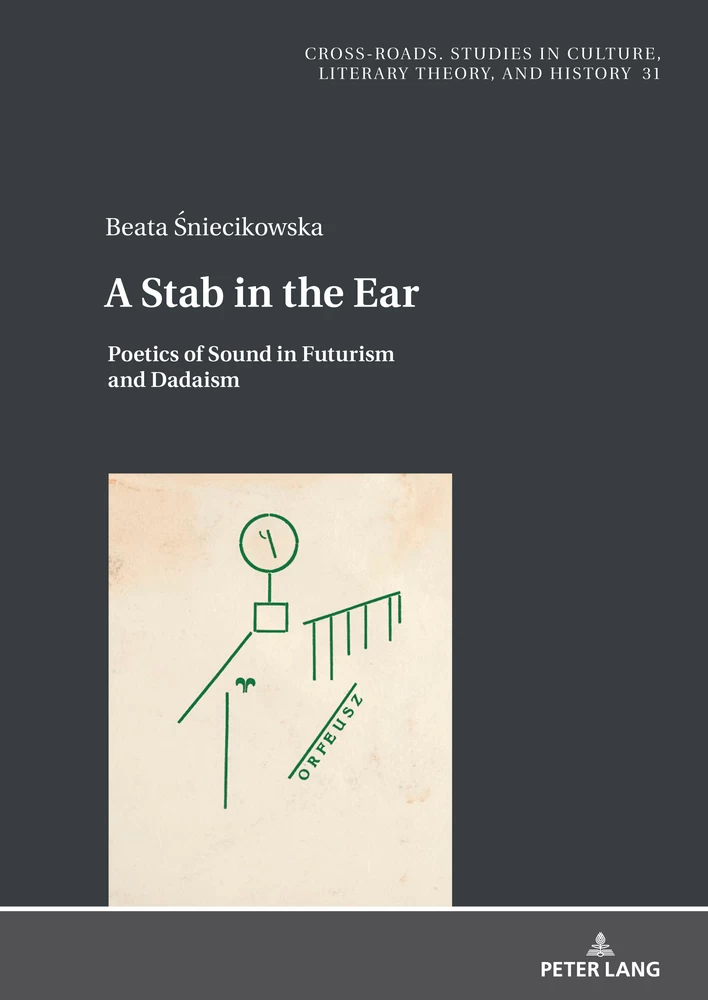
Title: A Stab in the Ear. Poetics of Sound in Futurism and Dadaism
by Beata Sniecikowska
Review by: Nadzieja Bąkowska
“The creation of local universities in every Cuban municipality allowed Cuba to reach enrolment rates of 40 to 66 per cent between 2005 and 2010 (MES 2019). These impressive figures involved a huge reshaping of the Cuban university landscape – for instance, creating new campuses, democratising access and diversifying the sociodemographic background of teachers and students. Rosi Smith provides one of the very few serious studies of this major transformation. The book is a very valuable contribution to this scarcely studied topic.”
Featured in: International Yearbook of Futurism Studies, Volume 14 2024
Link: https://doi.org/10.1515/9783689240370-015
Title: Deepening Participation. The impact of Cuba’s local university centres
by Rosi Smith
Review by: Alexander Cordoves Danish School of Education, Aarhus University
“Due to the comparative perspective employed by the author, this book is not only addressing specialists in Polish literature. It is an innovative study on the borderlines between literary history and theory, poetics, philosophy of language and comparative literature. It is more than gratifying to see that Śniecikowska’s structuralist-comparativist examination of Futurism from a variety of angles has found a well-deserved translation by Grzegorz Czemiel.”
Featured in: Learning and Teaching, Volume 18, Issue 2, Summer 2025: 81–95
Link: https://doi.org/10.3167/latiss.2025.180205
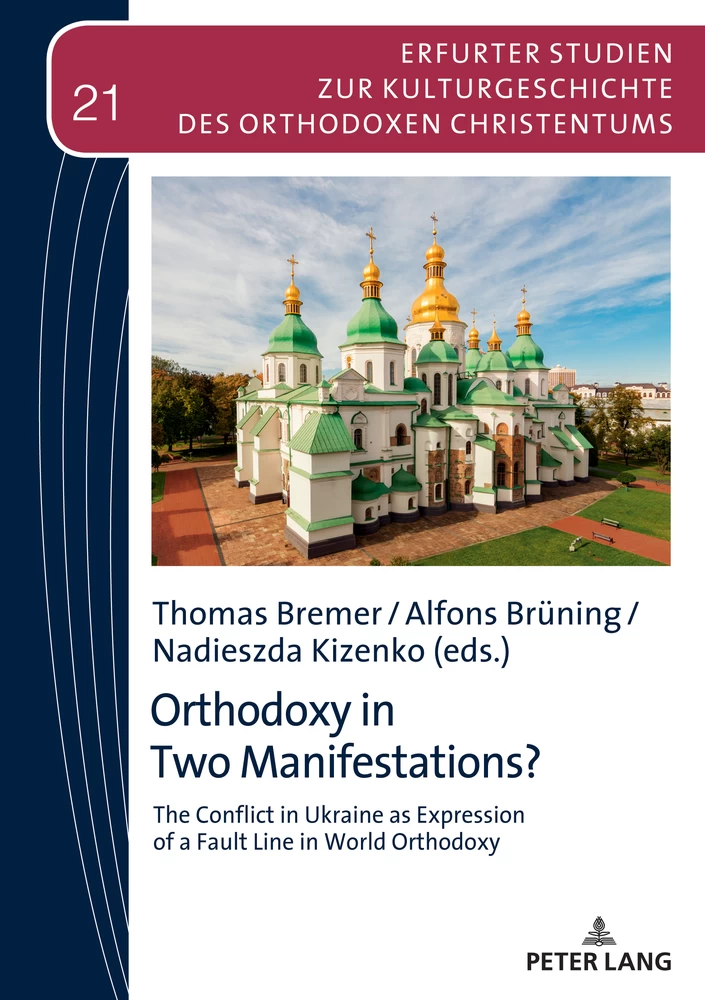
Title: Orthodoxy in Two Manifestations? The Conflict in Ukraine as Expression of a Fault Line in World Orthodoxy
Edited by Thomas Bremer, Alfons Brüning, Nadieszda Kizenko
Review by: Daniel Benga, University of Bucharest, Romania
“Orthodoxy in Two Manifestations? opens up many perspectives on and possibilities for overcoming the current internal ecclesiastical conflict in Ukraine. I strongly recommend it to those who wish for an objective view on some issues that have troubled Orthodoxy for over a hundred years and that remain an ongoing challenge for the Orthodox Churches. T he work is lively, fresh, and open, and the creativity of the authors is a source of inspiration not only for scholars and theological professors, but also for those involved in decision- making at the ecclesial level.”
Featured in: Journal of Orthodox Christian Studies, Volume 7, Numbers 1-2, 2024, pp. 238-240
Link: https://doi.org/10.1353/joc.2024.a968647
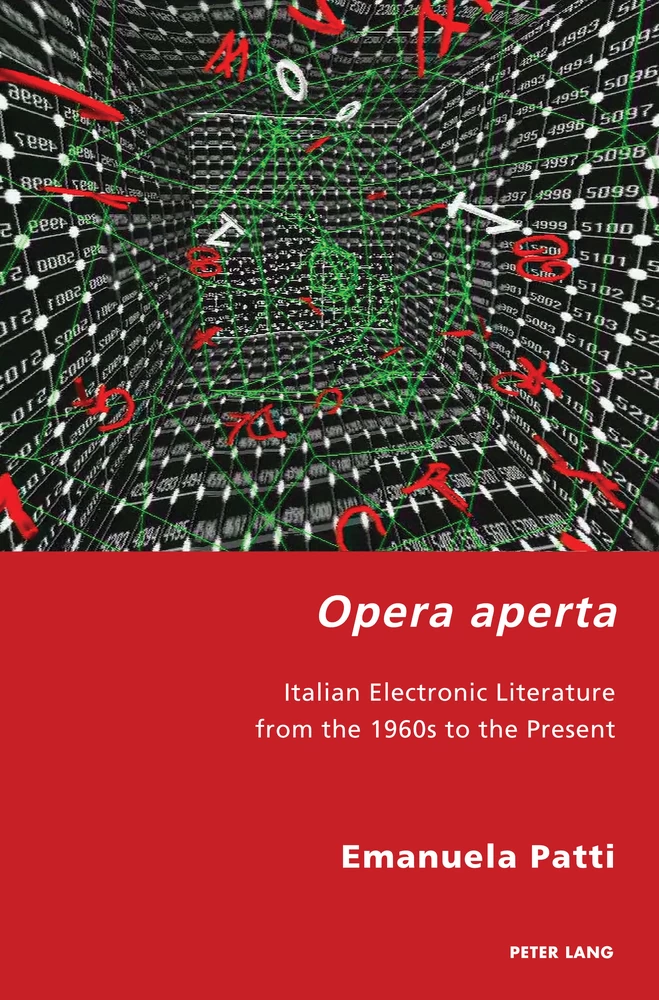
Title: Opera aperta. Italian Electronic Literature from the 1960s to the Present
by Emanuela Patti
Review by: Pablo a Marca, Brown University
“In conclusion, Patti’s Opera Aperta. Electronic Literature from the 1960s to the Present provides a comprehensive analysis of Italian literature from the neo-avantgarde movements until the recent times. She offers a theoretical framework under which one can study the emergence of new modes of production and of studying these works. Her focus on the impact such literature has on culture and society, particularly in its political vein, is extremely relevant. Her book, therefore, is an essential study, together with Roberta Iadevaia’s Per una storia della letteratura elettronica italiana (Mimesis, 2021), of the role of e-literature within Italy and Italian artists, one that will surely need to be complemented by newer studies in the years to follow.”
Featured in: Germanisch-Romanische Monatsschrift, Volume 75, Issue 4 (2025), pp. 463 – 500
Link: https://grm.winter-verlag.de/article/GRM/2025/4/9
Check out some of our reviews from August! We’re so proud to share our titles and receive such positive feedback from respected academics across the world. Congratulations to all our authors. You can find the full reviews linked below, as well as purchase the titles on our website.
Review Highlights
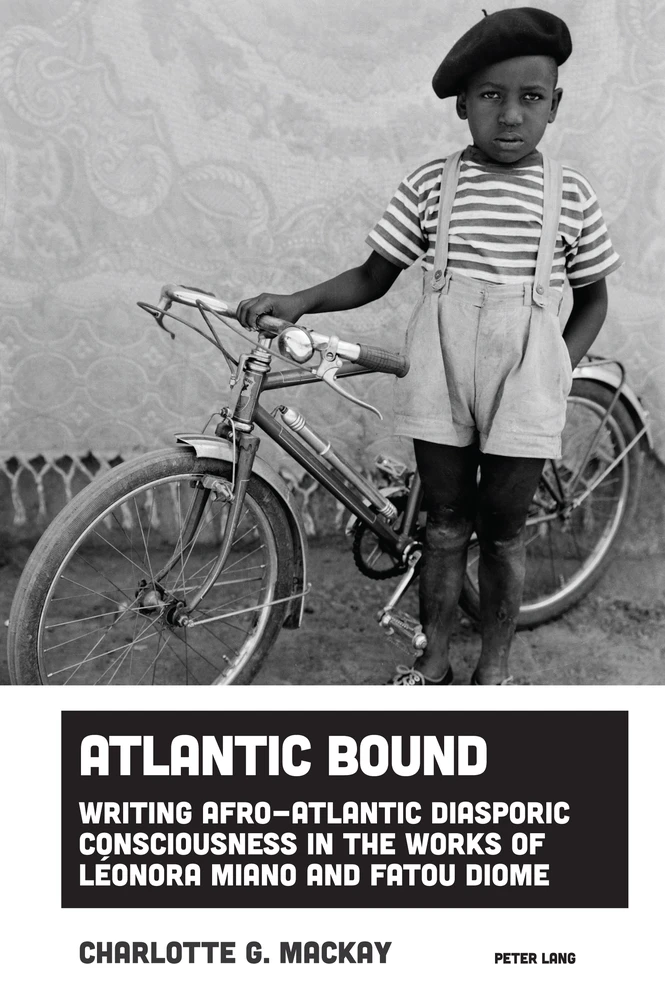
Title: Atlantic Bound: Writing Afro-Conscious Diasporic Consciousness in the Works of Leonora Miano and Fatou Diome by Charlotte G. Mackay
Review by: Antonia Wimbush, University of Melbourne
“the book is a novel, convincing and well-argued study of two important Afro-descendant female authors writing in French. It will be essential reading for students and scholars of Francophone African literature, gender studies, and diasporic identity”
Featured in: Australian Journal of French Studies, Volume 62, Number 3-4, pp. 379-80
DOI: https://doi.org/10.3828/AJFS.2025.31
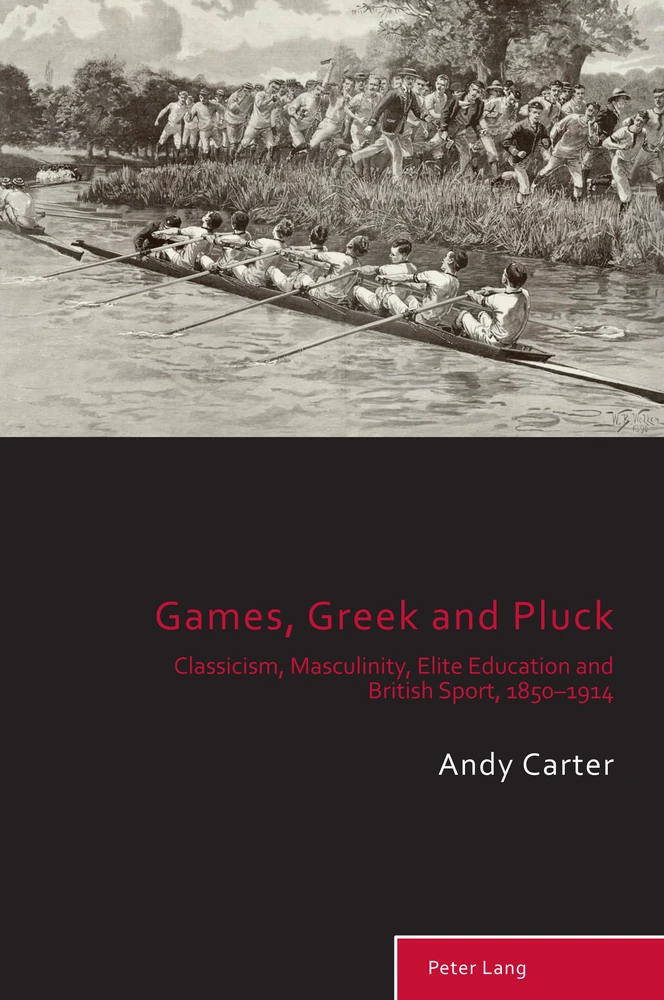
Title: Games, Greek and Pluck: Classicism, Masculinity, Elite Education and British Sport, 1850–1914 by Andy Carter
Review by: Malcolm Tozer
Featured in: History of Education Journal of the History of Education Society, pp. 1-3
“The book’s thesis is convincingly argued, thus making it a most valuable addition to the library on the histories of sport, education and culture of the late nineteenth and early twentieth centuries. The text is well written and attractively presented; there is a host of new facts and anecdotes to please future researchers”
Link: https://doi.org/10.1080/0046760X.2025.2538020
Title: Revisiting the British World: New Voices and Perspectives edited by Jatinder Mann and Iain Johnston-White
Review by: Steven Loveridge
Featured in: Journal of New Zealand Studies, Issue NS39, pp. 121-22
“A concluding chapter by Jatinder Mann and Iain Johnston-White reviews the chapters’ themes and findings to advance an argument of why the British World should be revisited. This reasserts the position that British World scholarship remains a source of valuable insight for an array of historical topics and continues to be relevant in facilitating understanding of our present world and concerns.”
Link: https://doi.org/10.26686/jnzs.iNS39.9903
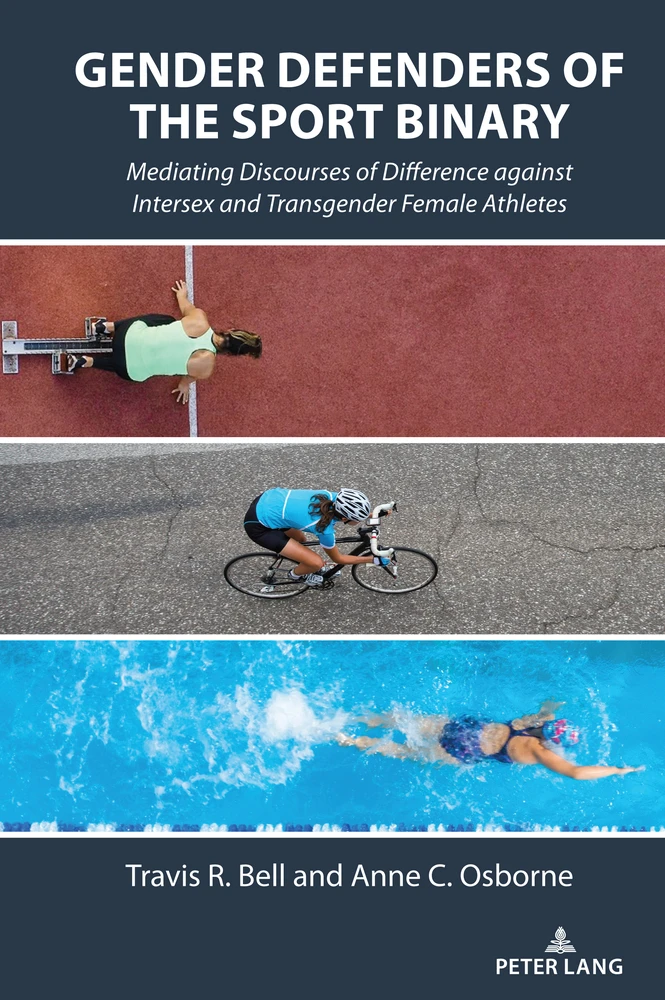
Title: Gender Defenders of the Sport Binary: Mediating Discourses of Difference Against Intersex and Transgender Female Athletes by Travis R. Bell and Anne C. Osborne
Review by: Kaja Poteko, University of Ljubljana
Featured in: International Journal of Sport Communication, Volume 18, Issue 3, pp. 400-01
“Gender Defenders of the Sport Binary is a compelling and insightful contribution situated within ongoing sociological, cultural, communication, and other related debates on policing gender in sport […] while also stimulating further reflection on how to transform and reimagine it.”
Link: https://doi.org/10.1123/ijsc.2025-0089
Don’t miss our reviews from July! We’re so pleased to have received such amazing feedback on our titles. Congratulations to all our authors and thank you to those who took the time to review them. You can read the pieces through the links below, as well as find copies available to purchase or download through the links to our website.
Review Highlights
Title: Trade Unions in the European Union: Picking Up the Pieces of the Neoliberal Challenge edited by Jeremy Waddington, Torsten Müller, and Kurt Vandaele
Review by: Stefano Gasparri, UWE Bristol Business School
“no other books about this topic can match its scope and, plausibly, size and length. A key strength of the book is its structure, which allows a deeper understanding of national cases by making comparison between chapters easier.”
Featured in: Industrial and Labor Relations Review, Cornell University, Volume 78, Issue 4 (2025), pp. 740–742
Link: https://doi.org/10.1177/00197939241304318
Title: More Than Alive: The Dead, Orthodoxy, and Remembrance in Post-Soviet Russia by Zuzanna Bogumił & Tatiana Voronina
Review by: Ela Rossmiller, Wilson College
“Overall, the book is compelling. The authors’ encyclopaedic knowledge, thick descriptions, in-depth analysis and vivid photographs transport the reader through an imaginary walking tour of each site.”
Featured in: Europe-Asia Studies, Taylor & Francis, Volume 77, Issue 4 (2025), pp. 664-66
Link: https://www.tandfonline.com/doi/full/10.1080/09668136.2025.2489318
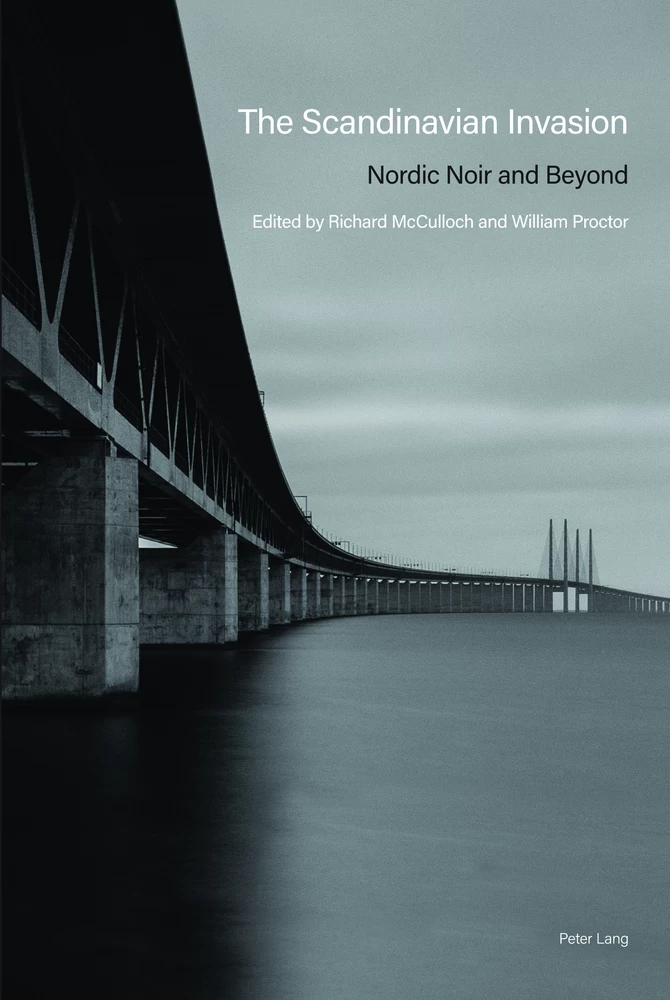
Title: The Scandinavian Invasion: Nordic Noir and Beyond edited by Richard McCulloch and William Proctor
Review by: Anne Marit Risum Waade, Aarhus University, Denmark
Featured in: Critical Studies in Television: The International Journal of Television Studies, Volume 20, Issue 2 (2025), pp. 276–278
Link: https://journals.sagepub.com/doi/abs/10.1177/17496020251325377
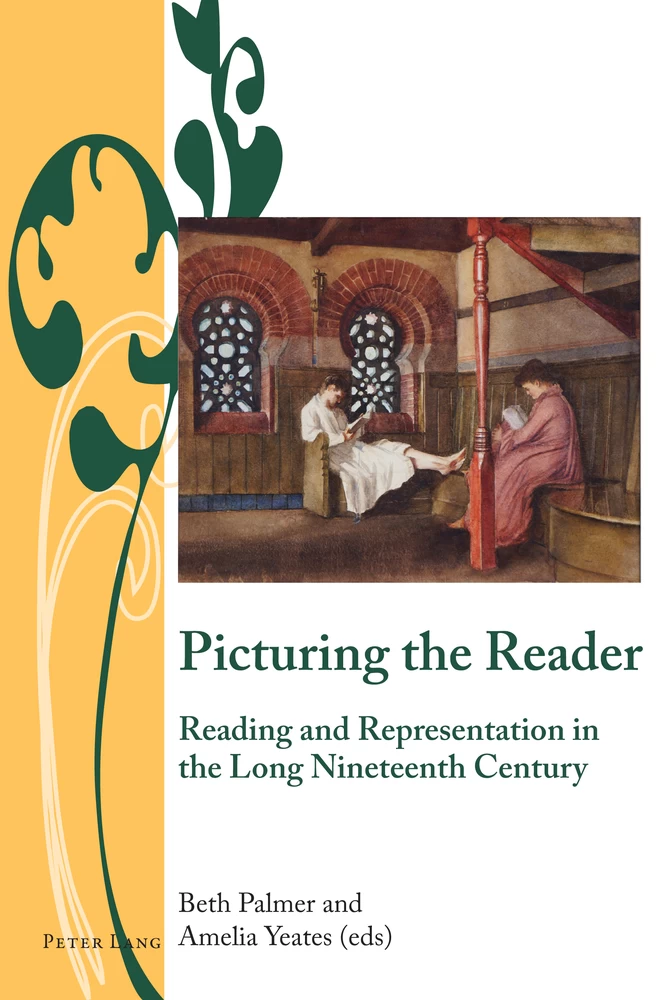
Title: Picturing the Reader: Reading and Representation in the Long Nineteenth Century edited by Beth Palmer and Amelia Yeates
Review by: Julia Thomas, Cardiff University
“Picturing the Reader taps into a fascination with representing readers and reading that pervaded literature and the visual arts in the nineteenth century and has been recovered in recent criticism. Where this collection makes its mark is in its focus on analysing these representations through the lens of a dialogue between word and image that crossed textual and visual arenas. […] It is laudable that the publisher Peter Lang has reproduced over 30 images, some of which are in colour.”
Featured in: Journal of Victorian Culture, Volume 30, Issue 1 (2025), pp. 132–34
Link: https://academic.oup.com/jvc/article-abstract/30/1/132/8116944?redirectedFrom=fulltext

Title: Histories of Children’s Television Around the World edited by Yuval Gozansky
Review by: Emma Horsley-Heather, SOAS University of London
“Histories of Children’s Television Around the World succeeds in bringing together differing global perspectives and television developments and is an important addition to the field of children’s television and media research. The nature of each standalone chapter allows the reader just to hone in on material relevant to their interest or to contrast and compare the developments of particular countries side by side.”
Featured in: Critical Studies in Television: The International Journal of Television Studies, Volume 20, Issue 2 (2025), pp. 269-71
Link: https://journals.sagepub.com/toc/csta/20/2
One of the most profound moments for an academic publisher is when we lose one of our authors. Their work is a lasting legacy, a reminder of the career and passion they dedicated their lives to. For us, as their publishers, we become the caretakers of that legacy.
This responsibility becomes even more significant when a project is still in production. Fortunately, we often have the honour of working with the author’s family or co-authors to ensure their work continues to reach the global research community.
This is the case with a forthcoming trio of titles: Hope and Despair, Wounded Nostalgia, and The Madness That Is Also in Us—English translations of works by the renowned psychiatrist Eugenio Borgna.
Eugenio Borgna, who passed away the 4th of December 2024, aged 94, was the most prominent Italian psychiatrist of his time. His works have made mental illness comprehensible to the readership and removed the boundaries created by misconception and fear. In his writing he makes acceptable what the society instinctively rejected as different and dangerous. His written work is a complement to Franco Basaglia’s psychiatric revolution.
We are proud to be able to publish these translated texts and continue to raise awareness of Eugenio Borgna’s work and the difference he made in making mental illness better understood.
Each title will feature a preface and we share a small snippet of these here.
“I write as an editor for the publishing house that is bringing Borgna into English for the first time, with a trilogy composed of Hope and Despair, Wounded Nostalgia, and The Madness That Is Also in Us. Again here, one need only glance at the titles to grasp the author’s aims: as a phenomenologist, opposed to any form of biological reductionism of psychiatric disorders and backed by direct clinical experience, the intention is to make madness understandable, acceptable, “normalize” it, in today’s parlance, by demonstrating readers its proximity to us all.”
Ilaria de Seta
“Of Eugenio Borgna, we appreciate his objectivity and composure, the measure that gives his texts, never caustic or brutal, the hushed tone of quiet reflection. Yet this moderation conceals a great radicalism. If there is such a thing as an intimately relational psychiatry, based on listening, “humanistic” and anti-authoritarian, this is precisely the psychiatry to associate with Borgna”.
Michele Dantini
“Eugenio Borgna is, equally with Franco Basaglia, the most important Italian psychiatrist. If Basaglia gave psychiatric patients back their freedom (with his reform that led to the passage of Law 180 in Italy in 1978), Borgna gave psychiatry back its soul.”
Stefano Redaelli
Peter Lang is delighted to announce the results of the 2025 Peter Lang Emerging Scholars Competition in Queer Studies:
Winner in English
J. Javier Torres-Fernández
Narratives and Metaphors of HIV/AIDS in Contemporary Irish Theatre and Performance:
Exploring Stories of Illness and Healing
to be published in Reimagining Ireland
Winner in German Studies
Emily Stokes
Touching Queer Materiality:
Murmurs of Affect, Identity, and Memory in Queer Objects and Counter-Objects of the German Democratic Republic, 1979–1990
to be published in German Visual Culture
Winner in Classics
Yentl Sophia Love
Queering Bacchus in Republican and Early Imperial Literature
to be published in Queering Paradigms
Honourable Mentions
Steph Berens
On Repair and Worldmaking:
Literary Reworkings of Cultural Tropes in Contemporary North American Transgender Fiction
Igor Facchini
Queering Interpreting Studies:
Gender-Fair and Non-Binary Language in Conference Interpreting
to be published in New Trends in Translation Studies
Winners of the prize receive a Gold Open Access contract for publication. Many congratulations to our winners and honourable mentions! Thank you to our distinguished editorial boards and to all those who took part in the competition.
The Peter Lang Emerging Scholars Competition is an annual competition in selected fields. Please check back here for the announcement for next year’s competition.
For more information, please contact Dr Laurel Plapp (l.plapp@peterlang.com) or Dr Phil Dunshea (p.dunshea@peterlang.com).
We’re always so pleased to receive positive feedback on our titles, a tribute to the time and effort invested by our successful authors. Here are a selection of reviews we received in June, and you can read the full pieces through the links below, as well as find our whole catalogue on our website.
Review Highlights
Title: Transforming and Understanding: An Introduction to Cultural-Historical Activity Theory by Yannick Lémonie
Review by: Clay Spinuzzi
“this is a valuable book for those thinking through CHAT and especially for those interested in interventionist approaches.”
Featured in: Blogspot Review
Link: https://spinuzzi.blogspot.com/2025/06/reading-transforming-and-understanding.html?m=1
Title: “It’s so queer!”: Les masculinités dans les films de Vincente Minnelli et de Jacques Demy by Sabrina Bouarour
Review by: Alistair Fox, University of Otago
“The strengths of this book are obvious: it is very thoroughly researched, as its extensive bibliography attests, and it provides useful contextual information, such as the evolution of perspectives on gender and sexuality as they developed in the United States and France, respectively, and the emergence of alternative masculinities in both countries.”
Featured in: H-France Review, Volume 25, Issue 43 (2025), pp. 1-4
Link: https://h-france.net/vol25reviews/vol25_no43_Fox.pdf
Title: Voices of Pain, Cries of Silence: Francophone Jewish Poetry of the Shoah, 1939-2008 by Gary D. Mole
Review by: Nanar Khamo, Pepperdine University, CA
“Mole’s monograph is essential reading for scholars and educators in Holocaust literature and history, offering valuable poetry and insightful analysis to enrich course materials and deepen the understanding of this poignant subject matter.”
Featured in: The French Review, Volume 98, Issue 3 (2025) pp. 141-42
Link: https://doi.org/10.1353/tfr.2025.a952733
We’re thrilled to have received these great reviews from respected academics in renowned journals! Make sure to read the full reviews through the links below, and we hope you’ll check out these titles and more on our website.
Review Highlights
Title: Philosophy, Death and Education by Peter Roberts, R. Scott Webster and John Quay
Review by: René V. Arcilla, New York University
“I very much support the project of Philosophy, Death and Education. Roberts, Webster, and Quay have convinced me that we should and can be educated more profoundly in the meaning of our mortality.”
Featured in: Studies in Philosophy and Education, Volume 44 (2025), pp. 233-37
Link: https://doi.org/10.1007/s11217-025-09984-5
Title: The Paradox of Becoming: Pentecostalicity, Planetarity, and Africanity by Chammah J. Kaunda
Review by: Diana Lunkwitz, Friedrich-Alexander-Universität Erlangen-Nürnberg, Germany
“In The Paradox of Becoming, Kaunda has brought his preceding research into a theoretical focus. He provides an engaging new philosophical–theological approach. Thanks to this detailed analysis that goes beyond an indigenization of Muntu, future generations in the humanities will receive forward-looking and thought-provoking stimuli to reconceptualize the human and all life in the planetary age.”
Featured in: PentecoStudies: An Interdisciplinary Journal for Research on the Pentecostal and Charismatic Movements, Volume 23, Issue 1 (2024) Special Issue: Pentecostalism and Gender, pp. 94-96
Link: https://doi.org/10.1558/pent.33467
Title: Timeline and Personification in the Merchant of Venice: Passover, Easter and the Case of the Returning Ships by Peter D. Usher
Review by: Dr Clifford Cunningham, University of Southern Queensland
“Usher is an expert at elucidating complexities in the works of Shakespeare. This book is superbly written and logically structured, as evident by the tables of data he includes. His methodology is precise, which enables anyone (whether a Shakespeare scholar or not) to understand his thesis here.”
Featured in: JAHH, Volume 28, Issue 1 (2025), pp. 312-314
Link: https://doi.org/10.3724/SP.J.140-2807.2025.01.28
Title: The Observable: Heisenberg’s Philosophy of Quantum Mechanics by Patrick Aidan Heelan
Review by: Paul Downes, Dublin City University
“Heelan’s book serves as an inspiring and highly insightful invitation to shed the fabric of taken for granted realities as part of an ontological truth quest for QM, as a step beyond the Copenhagen interpretation of complementarity between quantum waves and particles, towards fulfilment of a lost vision of Heisenberg.”
Featured in: AI & Society, Volume 38 (2023), pp. 2363-67
Link: https://doi.org/10.1007/s00146-021-01157-5
Title: Raum als berufspädagogische Dimension: Empirische Befunde und theoretische Überlegungen zu Interdependenzen zwischen Orten und Berufsbildungssystemen by Marco Hjelm-Madsen
Review by: Prof Dr Birgit Ziegler, Technische Universität Darmstadt
“Der Autor des vorliegenden Buches stellt daher die etwas provokante Frage, ob Berufspädagogik „Raum könne“ (S. 3)), um sich dann selbst auf den Weg zu machen, die Dimension Raum für den berufspädagogischen Diskurs zu erschließen. Seine Untersuchung charakterisiert Hjelm-Madsen als „raumbezogene Grundlagenforschung“ mit „experimentellem Charakter” (S. 30).”
Featured in: ZBW, Volume 120, Issue 4 (2024), pp. 708-11
Link: https://biblioscout.net/journal/zbw/120/4
We’re so proud to have received these reviews in April and are always thrilled to read such positive feedback on our titles. Congratulations to our authors who have invested so much time and effort into their work. You can read the full reviews through the links below as well as find the titles on our website. We hope these reviews will inspire you to explore our full catalogues.
Review Highlights
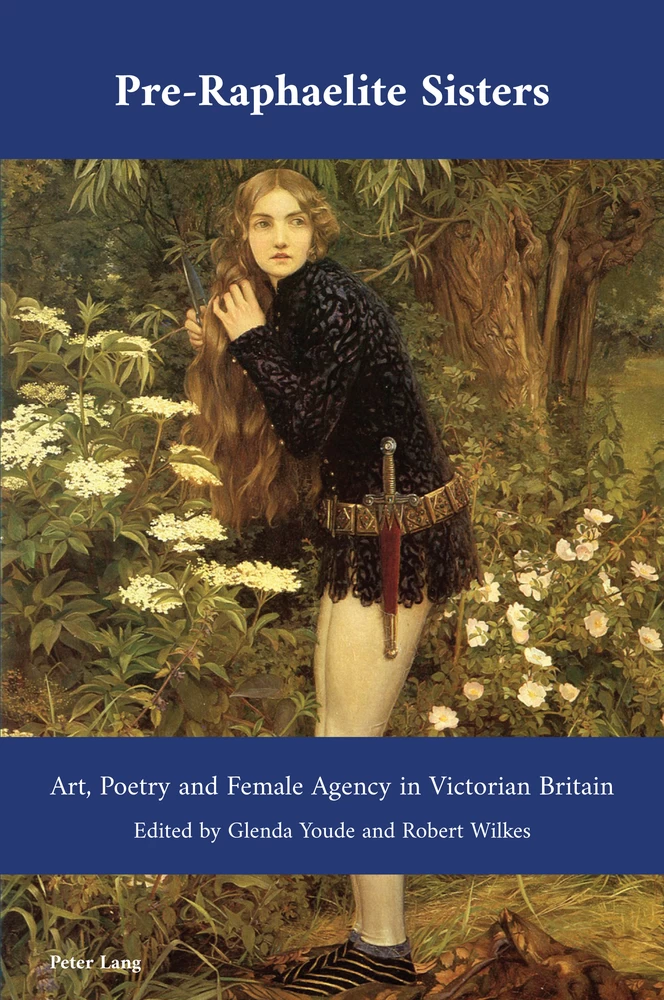
Title: Pre-Raphaelite Sisters: Art, Poetry and Female Agency in Victorian Britain edited by Glenda Youde & Robert Wilkes
Review by: Ashley Miller, Albion College
“Pre-Raphaelite Sisters makes a valuable contribution to the field of Pre-Raphaelite studies. Wilkes writes that the volume aspires to be “a starting point for new research and fresh perspectives” on the lives and works of several women of the Pre-Raphaelite movement (15).”
Featured in: Victorian Studies, Volume 66, Issue 4 (2024), pp. 663-64
Link: https://doi.org/10.2979/vic.00198
Title: Aspects of Islamic Radicalization in the Balkans After the Fall of Communism edited by Mihai Dragnea, Joseph Fitsanakis, Darko Trifunovic, John M. Nomikos, Vasko Stamevski and Adriana Cupcea
Review by: Muhammad Asad Latif, Islamia University Bahawalpur, Pakistan
“this edited collection provides an invaluable addition to the body of knowledge on political Islam, radicalization, post-communist transitions, and the political choices that have molded the Balkan region’s current environment.”
Featured in: Journal of Religion in Europe, Volume 17, Issue 4 (2024), pp. 501-03
Link: https://doi.org/10.1163/18748929-bja10114
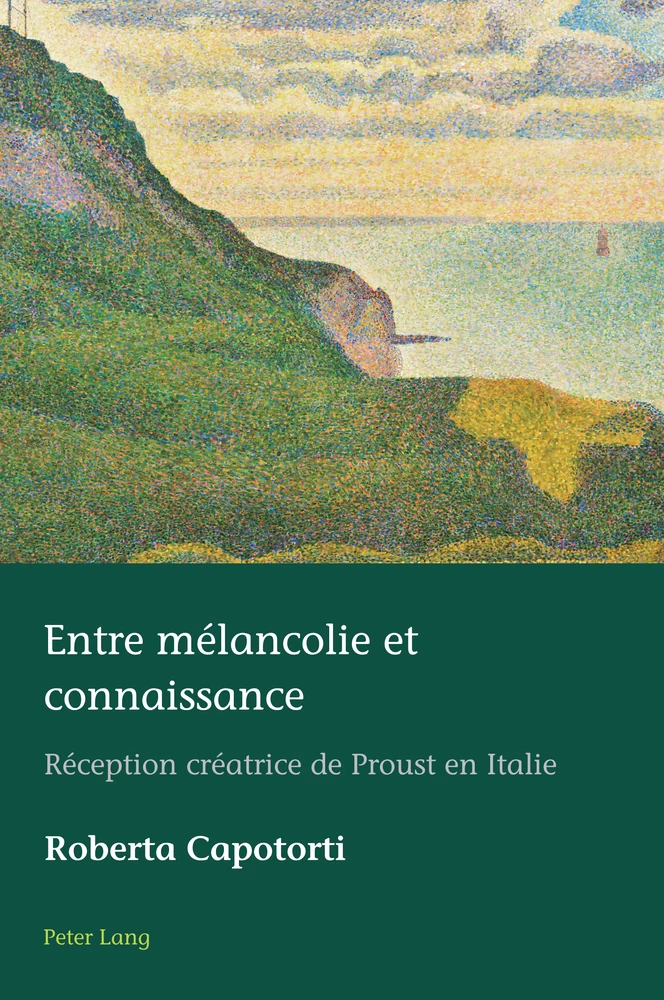
Title: Entre mélancolie et connaissance: Réception créatrice de Proust en Italie by Roberta Capotorti
Review by: Caterina Palmisano, Università di Siena
“L’enquête ainsi menée nous restitue un tableau de la réception italienne de Proust situé entre la mélancolie due à l’impossible coïncidence entre vie et littérature et la connaissance se dégageant de l’aspect méta-romanesque de l’œuvre proustienne qui permet de concevoir et de confronter de nouveaux modèles épistémologiques.”
Featured in: Acta fabula Revue des parutions, Volume 26, Issue 4 (2025)
Link: https://doi.org/10.58282/acta.19558
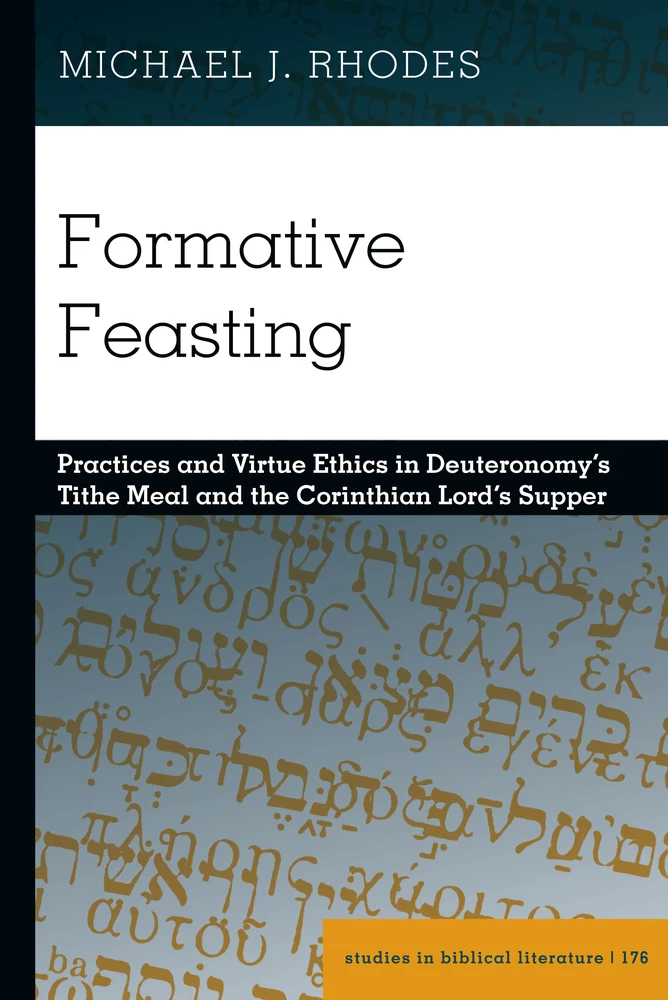
Title: Formative Feasting: Practices and Virtue Ethics in Deuteronomy’s Tithe Meal and the Corinthian Lord’s Supper by Michael J. Rhodes
Review by: Gregory Soderberg, BibleMesh Institute, New York
“In this study, Rhodes surveys the Deuteronomic tithe meals of Deuteronomy 14 and the eucharist described in 1 Corinthians 11 from the perspective of ‘formative practices’. This is a richly nuanced and generous treatment that should be of interest to a wide range of scholars, ministry leaders, and interested laypeople.”
Featured in: Evangelical Quarterly: An International Review of Bible and Theology, Volume 95, Issue 2 (2024), pp. 174-76
Link: https://doi.org/10.1163/27725472-09502009
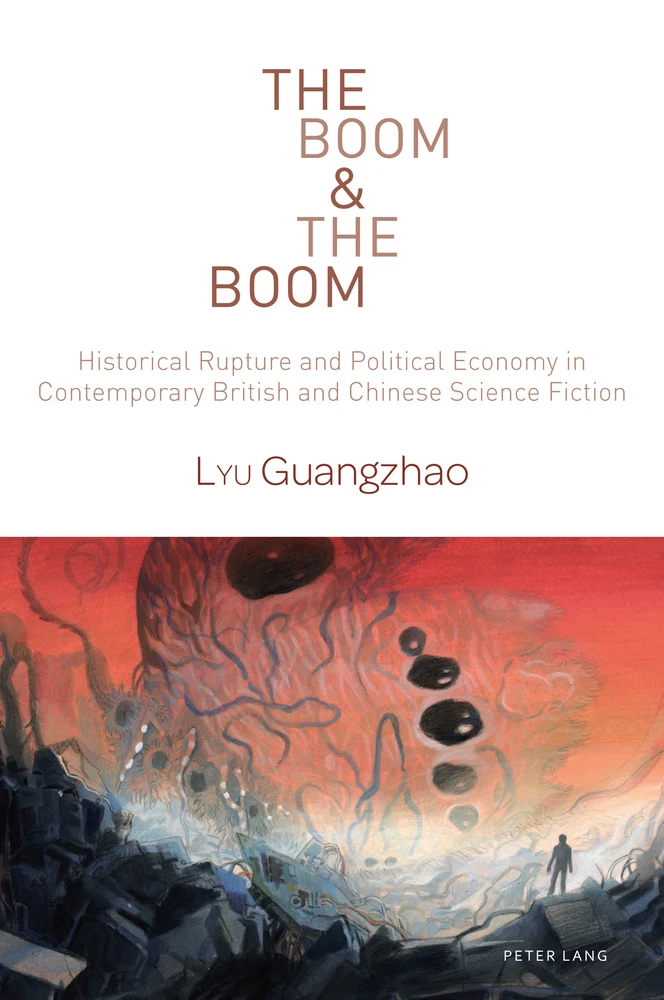
Title: The Boom & The Boom: Historical Rupture and Political Economy in Contemporary British and Chinese Science Fiction by Lyu Guangzhao
Review by: Mengmeng Zhu
“Lyu Guangzhao’s The Boom & The Boom is a groundbreaking exploration of the connections between two mostly contemporaneous booms in British and Chinese sf. […] This is not simply an observation of a historical curiosity; rather, Lyu’s analysis of this convergence provides profound insight into how both booms can be understood as responses to contemporary political and economic shifts— Thatcherism in the United Kingdom and Deng Xiaoping’s reforms in China.”
Featured in: Extrapolation, Volume 66, Issue 1 (2025), pp. 118-20