results
-
-
Artes visuales y sociedades hispánicas
The "Visual Arts and Hispanic Societies" series is devoted to monographic or collective works in Spanish on artistic representations of the cultures of Hispanic countries, in Spain and in the Americas as well as territories or communities on other continents. The concept of ʻvisual artsʼ includes all forms of representation related to the image, whether they refer to academic arts such as photography, painting, theatre and film, or to more recent, popular and/or heterogeneous styles such as graphic novels, television, video games, street art, installations, interventions and other forms of free or ephemeral art, whether or not linked to new technologies. This collection aims to bring together authors writing from different perspectives who are interested in the social function of current or traditional art, in the way in which visual representations seek to convey critical, pragmatic, committed and/or political points of view on the conflicts through which Hispanic societies evolved in the past or are currently being transformed. La colección "Artes visuales y sociedades hispánicas" está dedicada a trabajos monográficos o colectivos en español sobre representaciones artísticas de las culturas de los países hispánicos, tanto en España y América como en algunos territorios o comunidades de otros continentes. El concepto de ʻartes visualesʼ incluye aquí toda forma de representación relacionada con la imagen, ya se refiera a artes académicas como la fotografía, la pintura, el teatro y el cine, o a estilos más recientes, populares y/o heterogéneos como la historieta, la novela gráfica, la televisión, los videojuegos, el street art, las instalaciones y otras modalidades de arte libre o efímero, ligados o no a las nuevas tecnologías. Esta colección pretende asociar a una serie de autores de horizontes diversos interesados por la función social del arte actual o tradicional, por la manera en que las representaciones visuales pretenden transmitir puntos de vista críticos, pragmáticos, comprometidos y/o políticos sobre los conflictos a través de los cuales evolucionaron en el pasado o se transforman actualmente las sociedades hispánicas. La collection "Arts visuels et sociétés hispaniques" est consacrée à des travaux monographiques ou collectifs écrits en espagnol sur les représentations artistiques des cultures des pays hispaniques, aussi bien en Espagne et en Amérique que dans certains territoires ou communautés dʼautres continents. Le concept d'ʻart visuelʼ inclut ici toutes les formes de représentation liées à lʼimage, quʼelles se réfèrent aux arts considérés comme académiques comme la photographie, la peinture, le théâtre et le cinéma, ou à des styles plus récents, populaires et/ou hétérogènes comme la bande dessinée, le roman graphique, la télévision, les jeux vidéo, le street art, les installations et autres formes dʼart libre ou éphémère, liées ou non aux nouvelles technologies. Cette collection vise à associer des auteurs d’horizons variés qui sʼintéressent à la fonction sociale de lʼart actuel ou traditionnel, ainsi qu’à la manière dont les représentations visuelles cherchent à transmettre des points de vue critiques, pragmatiques, engagés et/ou politiques sur les conflits à travers lesquels les sociétés hispaniques ont évolué dans le passé ou sont en train de se transformer.
5 publications
-
Hybris: Literatura y Cultura Latinoamericanas
ISSN: 2736-5298
Desde la Antigua Grecia y la época clásica, filósofos, artistas y críticos han profundizado en las relaciones entre la literatura y otras artes. Primero fue la pintura y artes plásticas –ut pictura poesis, de Simónides de Ceos y Horacio–, más adelante la música, la arquitectura, la representación teatral, la escultura y ya, en la época moderna y contemporánea, la fotografía, el cine, la televisión, los mass media. En la actualidad este vasto y estimulante campo de hibridaciones culturales y artísticas se ha completado con las nuevas tecnologías y todas las "narrativas transmedia", generando conceptos y actuaciones transversales anejas a la creación digital y a las nuevas realidades comunicativas: touch-media, cross-media, intermedialidad, transmedialidad, hipertextualidad, multimodalidad, etc. Esta colección, Hybris: Literatura y Cultura Latinoamericanas, pretende, por un lado, indagar en el sentido diacrónico que estas relaciones han ido perfilando en el campo literario y cultural entendidos como parámetros estéticos, prácticos, de nivelación y préstamos técnicos entre artes y, por otro, reflexionar desde una perspectiva filosófica, social, cultural y teórica sobre las posibilidades que ofrecen tales hibridaciones, siempre dentro de un contexto latinoamericano. En la mitología clásica, Hybris era la diosa de la desmesura, la insolencia, la ausencia absoluta de moderación, y evocaba la necesidad de traspasar límites. Este nuevo concepto de Hybris pretende insistir en las marcas mitológicas de la transgresión, borrando fronteras entre las artes, sacudiendo la tendencia a la parcelación y a la contención y, a la vez, reclama también la identificación con el término latino hybrida, que alude a la mezcla de sangre. Hibridación y simbiosis entre artes serán, por tanto, los contornos y contextos en los que se imbricarán estos estudios. -------------------------------------------------------------------------------------------------- Since Ancient Greece and the classical era, philosophers, artists and critics have delved into the relationships between literature and other arts. First it was painting and plastic arts –ut pictura poesis, by Simónides de Ceos and Horacio–, later on music, architecture, theatrical representation, sculpture and already, in modern and contemporary times, photography, cinema, television, the mass media. At present this vast and stimulating field of cultural and artistic hybridizations has been completed with new technologies and all "transmedia narratives", generating concepts and transversal actions attached to digital creation and new communicative realities: touch-media, cross-media, intermediality, transmediality, hypertextuality, multimodality, etc. This collection, Hybris: Latin American Literature and Culture, intends, on the one hand, to investigate in the diachronic sense that these relationships have been emerging in the literary and cultural field, understood as aesthetic, practical, leveling and technical borrowing parameters between arts and, therefore the other, is to reflect from a philosophical, social, cultural and theoretical perspective on the possibilities offered by such hybridizations, always within a Latin American context. In classical mythology, Hybris was the goddess of excess, insolence, the absolute absence of moderation, and evoked the need to go beyond limits. This new concept of Hybris intends to insist on the mythological marks of transgression, erasing borders between the arts, shaking the tendency to subdivision and containment and, at the same time, it also demandings identification with the Latin term hybrida, which alludes to the racial or cultural mixing. Hybridization and symbiosis between arts will therefore be the outlines and contexts in which these studies will be invested. Desde la Antigua Grecia y la época clásica, filósofos, artistas y críticos han profundizado en las relaciones entre la literatura y otras artes. Primero fue la pintura y artes plásticas –ut pictura poesis, de Simónides de Ceos y Horacio–, más adelante la música, la arquitectura, la representación teatral, la escultura y ya, en la época moderna y contemporánea, la fotografía, el cine, la televisión, los mass media. En la actualidad este vasto y estimulante campo de hibridaciones culturales y artísticas se ha completado con las nuevas tecnologías y todas las "narrativas transmedia", generando conceptos y actuaciones transversales anejas a la creación digital y a las nuevas realidades comunicativas: touch-media, cross-media, intermedialidad, transmedialidad, hipertextualidad, multimodalidad, etc. Esta colección, Hybris: Literatura y Cultura Latinoamericanas, pretende, por un lado, indagar en el sentido diacrónico que estas relaciones han ido perfilando en el campo literario y cultural entendidos como parámetros estéticos, prácticos, de nivelación y préstamos técnicos entre artes y, por otro, reflexionar desde una perspectiva filosófica, social, cultural y teórica sobre las posibilidades que ofrecen tales hibridaciones, siempre dentro de un contexto latinoamericano. En la mitología clásica, Hybris era la diosa de la desmesura, la insolencia, la ausencia absoluta de moderación, y evocaba la necesidad de traspasar límites. Este nuevo concepto de Hybris pretende insistir en las marcas mitológicas de la transgresión, borrando fronteras entre las artes, sacudiendo la tendencia a la parcelación y a la contención y, a la vez, reclama también la identificación con el término latino hybrida, que alude a la mezcla de sangre. Hibridación y simbiosis entre artes serán, por tanto, los contornos y contextos en los que se imbricarán estos estudios. -------------------------------------------------------------------------------------------------- Since Ancient Greece and the classical era, philosophers, artists and critics have delved into the relationships between literature and other arts. First it was painting and plastic arts –ut pictura poesis, by Simónides de Ceos and Horacio–, later on music, architecture, theatrical representation, sculpture and already, in modern and contemporary times, photography, cinema, television, the mass media. At present this vast and stimulating field of cultural and artistic hybridizations has been completed with new technologies and all "transmedia narratives", generating concepts and transversal actions attached to digital creation and new communicative realities: touch-media, cross-media, intermediality, transmediality, hypertextuality, multimodality, etc. This collection, Hybris: Latin American Literature and Culture, intends, on the one hand, to investigate in the diachronic sense that these relationships have been emerging in the literary and cultural field, understood as aesthetic, practical, leveling and technical borrowing parameters between arts and, therefore the other, is to reflect from a philosophical, social, cultural and theoretical perspective on the possibilities offered by such hybridizations, always within a Latin American context. In classical mythology, Hybris was the goddess of excess, insolence, the absolute absence of moderation, and evoked the need to go beyond limits. This new concept of Hybris intends to insist on the mythological marks of transgression, erasing borders between the arts, shaking the tendency to subdivision and containment and, at the same time, it also demandings identification with the Latin term hybrida, which alludes to the racial or cultural mixing. Hybridization and symbiosis between arts will therefore be the outlines and contexts in which these studies will be invested. Desde la Antigua Grecia y la época clásica, filósofos, artistas y críticos han profundizado en las relaciones entre la literatura y otras artes. Primero fue la pintura y artes plásticas –ut pictura poesis, de Simónides de Ceos y Horacio–, más adelante la música, la arquitectura, la representación teatral, la escultura y ya, en la época moderna y contemporánea, la fotografía, el cine, la televisión, los mass media. En la actualidad este vasto y estimulante campo de hibridaciones culturales y artísticas se ha completado con las nuevas tecnologías y todas las "narrativas transmedia", generando conceptos y actuaciones transversales anejas a la creación digital y a las nuevas realidades comunicativas: touch-media, cross-media, intermedialidad, transmedialidad, hipertextualidad, multimodalidad, etc. Esta colección, Hybris: Literatura y Cultura Latinoamericanas, pretende, por un lado, indagar en el sentido diacrónico que estas relaciones han ido perfilando en el campo literario y cultural entendidos como parámetros estéticos, prácticos, de nivelación y préstamos técnicos entre artes y, por otro, reflexionar desde una perspectiva filosófica, social, cultural y teórica sobre las posibilidades que ofrecen tales hibridaciones, siempre dentro de un contexto latinoamericano. En la mitología clásica, Hybris era la diosa de la desmesura, la insolencia, la ausencia absoluta de moderación, y evocaba la necesidad de traspasar límites. Este nuevo concepto de Hybris pretende insistir en las marcas mitológicas de la transgresión, borrando fronteras entre las artes, sacudiendo la tendencia a la parcelación y a la contención y, a la vez, reclama también la identificación con el término latino hybrida, que alude a la mezcla de sangre. Hibridación y simbiosis entre artes serán, por tanto, los contornos y contextos en los que se imbricarán estos estudios. -------------------------------------------------------------------------------------------------- Since Ancient Greece and the classical era, philosophers, artists and critics have delved into the relationships between literature and other arts. First it was painting and plastic arts –ut pictura poesis, by Simónides de Ceos and Horacio–, later on music, architecture, theatrical representation, sculpture and already, in modern and contemporary times, photography, cinema, television, the mass media. At present this vast and stimulating field of cultural and artistic hybridizations has been completed with new technologies and all "transmedia narratives", generating concepts and transversal actions attached to digital creation and new communicative realities: touch-media, cross-media, intermediality, transmediality, hypertextuality, multimodality, etc. This collection, Hybris: Latin American Literature and Culture, intends, on the one hand, to investigate in the diachronic sense that these relationships have been emerging in the literary and cultural field, understood as aesthetic, practical, leveling and technical borrowing parameters between arts and, therefore the other, is to reflect from a philosophical, social, cultural and theoretical perspective on the possibilities offered by such hybridizations, always within a Latin American context. In classical mythology, Hybris was the goddess of excess, insolence, the absolute absence of moderation, and evoked the need to go beyond limits. This new concept of Hybris intends to insist on the mythological marks of transgression, erasing borders between the arts, shaking the tendency to subdivision and containment and, at the same time, it also demandings identification with the Latin term hybrida, which alludes to the racial or cultural mixing. Hybridization and symbiosis between arts will therefore be the outlines and contexts in which these studies will be invested.
18 publications
-
Musicology and Culture / Musicología y Cultura
The "Musicology and Culture" series promotes innovative research exploring the evolution of music and its role in various historical and cultural contexts. The series considers different facets, including the diversification of source material and document conservation, the diversity of genres, styles and musical institutions, musical and rhetorical analyses, music theory and thought, coetaneous responses and receptions, organology and music iconography, musico-literary relations, gender studies within a musical context, and paleographic transcriptions. Designed for both a general audience and scholars in the field, the series will comprise works (including essays, monographs, conference proceedings, and critical editions) that represent substantial scientific developments in musicology. The editors and editorial board will collaborate with international scholars and support the research of young musicologists. La serie "Musicología y Cultura" promueve obras innovadoras de investigación relacionadas con la evolución de la música y su papel histórico en las distintas culturas y épocas en las que se inscribe. En este sentido se tendrán en cuenta diferentes aspectos que permitan una mejor comprensión de dicho papel: la contextualización histórica, la consideración de las fuentes y la conservación de la documentación, el estudio de los géneros, estilos e instituciones, el análisis musical y retórico, la teoría y el pensamiento musical, cuestiones de recepción, la organología y la iconografía musical, las relaciones de la música con la literatura, los estudios de género o la transcripción paleográfica (en el caso de la música antigua), etc. La serie, pensada para un amplio público pero también para los especialistas en la matreria, ofrecerá distintos formatos (colecciones de ensayos, monografías, actas de congresos y ediciones musicales críticas) que signifiquen un sustancial avance en el conocimiento científico. Los editores y el comité editorial colaborarán con académicos internacionales de prestigio y al mismo tiempo apoyará la investigación de jóvenes musicólogos.
2 publications
-
Paratraducción, Interlinguas y Transmedia (ParatradIT)
Desde el cambio de paradigma que supone la noción teórica de paratraducción, creada por el Grupo de investigación Traducción & Paratraducción (T&P) de la Universidade de Vigo (España), la colección Paratraducción, Interlinguas y Transmedia (ParatradIT), dirigida por José Yuste Frías y Óscar Ferreiro Vázquez, invita a reflexionar de manera transdisciplinar sobre la transtextualidad, en general, y la paratextualidad, muy en particular, en los procesos transmediales de la comunicación internacional entre diferentes lenguas (interlinguas) y culturas. Los principales objetos de estudio de ParatradIT son los soportes materiales transmediáticos, los procesos, los modos, las técnicas, las estrategias, las instituciones, las herramientas tecnológicas, las inteligencias artificiales y los seres humanos que hacen posible las transferencias lingüísticas y culturales tanto en pantalla como en papel. ParatradIT acoge publicaciones temáticas centradas no sólo sobre el área de traducción e interpretación, sino también sobre áreas afines como, por ejemplo, la didáctica de lenguas extranjeras y pedagogía de segundas lenguas en la mediación entre culturas. ParatradIT es una colección siempre abierta a los cambios teóricos, didácticos y profesionales que pueden surgir en los diferentes sectores estratégicos de la traducción, como, por poner tan sólo un ejemplo, el sector de la industria del videojuego donde nuevas formas paratextuales ayudan a crear nuevas narrativas transmedia ludográficas en pantalla que suponen nuevos retos de transcreación en la localización de videojuegos. Lenguas de publicación: ES (español), FR (francés), EN (inglés), PT (portugués), IT (italiano), GL (gallego) y CA (catalán). Since the paradigm shift represented by the theoretical notion of paratranslation, created by the Research Group Traducción & Paratraducción (T&P) (T&P), from the University of Vigo (Spain), the series Paratraducción, Interlinguas y Transmedia (ParatradIT), edited by José Yuste Frías and Óscar Ferreiro Vázquez, invites interdisciplinary reflection on intertextuality, in general, and paratextuality, specifically, in transmedia processes for international communication among different languages (interlinguas) and cultures. The main objects of study of ParatradIT are the transmedia materials support, processes, modes, techniques, strategies, institutions, technological tools, artificial intelligences, and humans that enable linguistic and cultural transfers, both on screen and on paper. ParatradIT hosts themed publications not only in the field of translation and interpretation, but also in related fields such as foreign language teaching and second language pedagogy in cross-cultural mediation. The series ParatradIT is always open to theoretical, didactic and professional changes in different strategic sectors of translation, such as the video game industry, where new paratextual forms help create different ludographic transmedia narratives on screen, posing new challenges in the transcreation of video game localization. Publication languages: Spanish, French, English, Portuguese, Italian, Galician, Catalan.
6 publications
-
Micro y Pequeña Empresa Latinoamericana
The works in this collection are open access and aim to promote and disseminate quality scientific production in the economic-administrative area and related areas, developing research on micro and small enterprises focusing on a particular aspect each year. The relevance of the study contributes to the generation of knowledge for the development of a management model with characteristics specific to the micro and small enterprises in Latin America. The study is applied to owners, directors or managers of these organizations, who make most of the decisions. The works are peer reviewed and coordinated by the Red de Estudios Latinoamericanos en Administración y Negocios (RELAYN), which is coordinated by Dr. Nuria Beatriz Peña Ahumada: PhD in Administration, member of the National System of Researchers and Researchers (SNII) and university professor; and Dr. Oscar Cuauhtémoc Aguilar Rascón: PhD in Administration, member of the National System of Researchers and Researchers (SNII) and university professor. * * * EDITORIAL BOARD Nuria B. Peña Ahumada – RedesLA – Universidad de Celaya / UTSJR – México Oscar C. Aguilar Rascón - RedesLA - Universidad de Celaya/UTSJR - México * * * ACADEMIC BOARD Roberto Hernández Sampieri – Universidad de Celaya – México Ricardo Contreras Soto – Universidad de Guanajuato – México * * * SCIENTIFIC COMMITTEE IN MEXICO Dra. Christian Paulina Mendoza Torres. Candidata a Investigadora Nacional – Universidad Tecnológica Laja Bajío – México Dra. Esmeralda Aguilar Pérez. Candidata a Investigadora Nacional – Instituto Tecnológico Superior de San Martín Texmelucan – México Dra. Corina Guillermina Ocegueda Mercado. Candidata a Investigadora Nacional – Tecnológico Nacional de México/Instituto Tecnológico de Matamoros – México Dra. Liliana de Jesús Gordillo Benavente. Candidata a Investigadora Nacional – Universidad Politécnica de Tulancingo – México Dr. Carlos Robles Acosta. SNI Nivel 1 - Universidad Autónoma del Estado de México Dra. Suly Sendy Pérez Castañeda – Universidad Autónoma del Estado de Hidalgo – México Dra. Brenda Marcela Salcido Trillo. Candidata a Investigadora Nacional– Universidad Tecnológica de Ciudad Juárez – México Dr. Luis Enrique Ibarra Morales. SNI Nivel 1 - Universidad Estatal de Sonora – México Dr. Manuel Ernesto Becerra Bizarrón. SNI Nivel 1 - Universidad de Guadalajara – México Dra. Claudia Cintya Peña Estrada. SNI Nivel 1- Universidad Autónoma de Querétaro - México Mtra. Laura Adame Rodríguez. Candidata a Investigadora Nacional - Instituto Tecnológico Superior de Pátzcuaro – México * * * SCIENTIFIC COMMITTEE IN LATIN AMERICA Dr. José Armando Pancorbo Sandoval – Universidad Tecnológica Equinoccial Sede Santo Domingo – Ecuador Dr. Erwin O. Aguirre de Lazaro - Universidad de La Habana - Cuba Dra. María Teresa Ramírez Garzón – Universidad de La Salle – Colombia Dra. Estefanía Solari Sperandio – Universidad Nacional de La Plata – Argentina Mtra. Mónica Patricia Sebastián Di Paola – Universidad Nacional de La Plata – Argentina Dr. Henry León Torres – Universidad de Cundinamarca – Colombia Dr. Carlos Mario Muñoz Maya – Universidad La Salle – Colombia Mtro. Manuel Ricardo González Moreno - Universidad de Cundinamarca – Colombia Las obras de esta colección son de acceso abierto y tienen como objetivo promover y difundir producción científica de calidad en el área económico-administrativa y áreas relacionadas, desarrollando investigaciones en la micro y pequeña empresa (mype) enfocándose en algún aspecto particular cada año. La pertinencia del estudio contribuye a la generación del conocimiento para el desarrollo de un modelo de gestión con características propias de la mype en América Latina. Dicho estudio es aplicado a propietarios, directivos o gerentes de estas organizaciones, quienes toman la mayor parte de las decisiones. Las obras son objeto de revisión por pares y coordinadas por la Red de Estudios Latinoamericanos en Administración y Negocios (RELAYN), misma que es coordinada por la Dra. Nuria Beatriz Peña Ahumada: doctora en Administración, miembro del Sistema Nacional de Investigadores e Investigadoras (SNII) y docente universitaria; y el Dr. Oscar Cuauhtémoc Aguilar Rascón: doctor en Administración, miembro del Sistema Nacional de Investigadores e Investigadoras (SNII) y docente universitario. * * * CONSEJO EDITORIAL Nuria B. Peña Ahumada – RedesLA – Universidad de Celaya / UTSJR – México Oscar C. Aguilar Rascón - RedesLA - Universidad de Celaya/UTSJR - México * * * CONSEJEROS ACADÉMICOS Roberto Hernández Sampieri – Universidad de Celaya – México Ricardo Contreras Soto – Universidad de Guanajuato – México * * * COMITÉ CIENTÍFICO EN MÉXICO Dra. Christian Paulina Mendoza Torres. Candidata a Investigadora Nacional – Universidad Tecnológica Laja Bajío – México Dra. Esmeralda Aguilar Pérez. Candidata a Investigadora Nacional – Instituto Tecnológico Superior de San Martín Texmelucan – México Dra. Corina Guillermina Ocegueda Mercado. Candidata a Investigadora Nacional – Tecnológico Nacional de México/Instituto Tecnológico de Matamoros – México Dra. Liliana de Jesús Gordillo Benavente. Candidata a Investigadora Nacional – Universidad Politécnica de Tulancingo – México Dr. Carlos Robles Acosta. SNI Nivel 1 - Universidad Autónoma del Estado de México Dra. Suly Sendy Pérez Castañeda – Universidad Autónoma del Estado de Hidalgo – México Dra. Brenda Marcela Salcido Trillo. Candidata a Investigadora Nacional– Universidad Tecnológica de Ciudad Juárez – México Dr. Luis Enrique Ibarra Morales. SNI Nivel 1 - Universidad Estatal de Sonora – México Dr. Manuel Ernesto Becerra Bizarrón. SNI Nivel 1 - Universidad de Guadalajara – México Dra. Claudia Cintya Peña Estrada. SNI Nivel 1- Universidad Autónoma de Querétaro - México Mtra. Laura Adame Rodríguez. Candidata a Investigadora Nacional - Instituto Tecnológico Superior de Pátzcuaro – México * * * COMITÉ CIENTÍFICO EN LATINOAMÉRICA Dr. José Armando Pancorbo Sandoval – Universidad Tecnológica Equinoccial Sede Santo Domingo – Ecuador Dr. Erwin O. Aguirre de Lazaro - Universidad de La Habana - Cuba Dra. María Teresa Ramírez Garzón – Universidad de La Salle – Colombia Dra. Estefanía Solari Sperandio – Universidad Nacional de La Plata – Argentina Mtra. Mónica Patricia Sebastián Di Paola – Universidad Nacional de La Plata – Argentina Dr. Henry León Torres – Universidad de Cundinamarca – Colombia Dr. Carlos Mario Muñoz Maya – Universidad La Salle – Colombia Mtro. Manuel Ricardo González Moreno - Universidad de Cundinamarca – Colombia
4 publications
-

-

Has Joab Foiled David?
A Literary Study of the Importance of Joab’s Character in Relation to David©2005 Monographs -

Geschlechter-F(r)iktionen – F(r)ictions des genres
Geschlechterphantasien im literarischen Diskurs – Fantasmes des genres dans le discours littéraire©2014 Monographs -
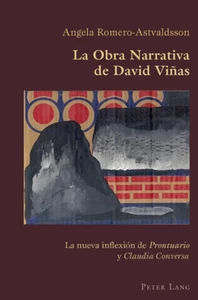
La Obra Narrativa de David Viñas
La nueva inflexión de "Prontuario</I> y "Claudia Conversa</I>©2008 Monographs -

-
-

Der Pädagoge F. Fröbel und die Frauen
Beziehungsbedürfnisse aus den Anfangstagen des Kindergartens©2011 Monographs -

Französisches Subnormvokabular mit auslautendem (-f)
Ein Beitrag zur Wortbildung im Argot©1992 Thesis -

In memoriam Zdeněk F. Oliverius
©1985 Others -

Johann Georg Hamann und David Hume
Metaphysikkritik und Glaube im Spannungsfeld der Aufklärung- II©2006 Thesis -

-

Der Landrechtsentwurf David Hilchens von 1599
Ein livländisches Rechtszeugnis polnischer Herrschaft©2007 Thesis -

Die Maut im F-Modell zur Fernstraßenfinanzierung
Eine Analyse der ökonomischen und rechtlichen Einflussfaktoren und Entwurf einer Mautverordnung©2010 Monographs -

David Humes Argumente gegen das Christentum
©1987 Others -

John F. Kennedy in der amerikanischen Literatur
©2011 Monographs -
Die Fremdthematik im Werk von C.-F. Ramuz
Zur Bedeutsamkeit interkulturell-reflektierter Ethnozentrik in der Literatur©1978 Others -

Subpart F als Referenz für die deutsche Hinzurechnungsbesteuerung
Eine ökonomische Analyse©2003 Thesis -
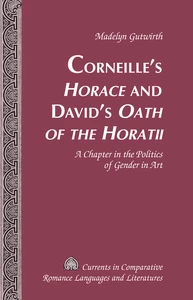
Corneille’s «Horace» and David’s «Oath of the Horatii»
A Chapter in the Politics of Gender in Art©2011 Monographs -

K. C. F. Krauses Urbild der Menschheit
Richtmaß einer universalistischen Globalisierung- Kommentierter Originaltext und aktuelle Weltsystemanalyse©2003 Monographs