results
-
Inclusion and Teacher Education
Historically, inclusive education developed as a reaction to the exclusion of students of minoritized identity groups marked by race, language, sexual orientation, disability, etc. Our position in this series is that inclusion can and should be more. It can be understood as embracing and planning for difference, building relationships across difference, teaching and learning that acknowledges and supports difference while also minimizing the use of identity categories as the foundation for arguments about inclusion. In other words, the silos of educational discourse based on identity categories need to be broken down, little by little, to reconceptualize inclusion as just, compassionate, and creative ways of living, teaching, and learning in a complex and diverse world. Inclusive teaching depends on deeply respectful relationships between teachers, students, and community members. Books in the series must make clear connections between theory and practice. Both are necessary ingredients for inclusion. This series will help teacher educators prepare teachers to be knowledgeable and skillful in teaching all students, regardless of their differences. Historically, inclusive education developed as a reaction to the exclusion of students of minoritized identity groups marked by race, language, sexual orientation, disability, etc. Our position in this series is that inclusion can and should be more. It can be understood as embracing and planning for difference, building relationships across difference, teaching and learning that acknowledges and supports difference while also minimizing the use of identity categories as the foundation for arguments about inclusion. In other words, the silos of educational discourse based on identity categories need to be broken down, little by little, to reconceptualize inclusion as just, compassionate, and creative ways of living, teaching, and learning in a complex and diverse world. Inclusive teaching depends on deeply respectful relationships between teachers, students, and community members. Books in the series must make clear connections between theory and practice. Both are necessary ingredients for inclusion. This series will help teacher educators prepare teachers to be knowledgeable and skillful in teaching all students, regardless of their differences. Historically, inclusive education developed as a reaction to the exclusion of students of minoritized identity groups marked by race, language, sexual orientation, disability, etc. Our position in this series is that inclusion can and should be more. It can be understood as embracing and planning for difference, building relationships across difference, teaching and learning that acknowledges and supports difference while also minimizing the use of identity categories as the foundation for arguments about inclusion. In other words, the silos of educational discourse based on identity categories need to be broken down, little by little, to reconceptualize inclusion as just, compassionate, and creative ways of living, teaching, and learning in a complex and diverse world. Inclusive teaching depends on deeply respectful relationships between teachers, students, and community members. Books in the series must make clear connections between theory and practice. Both are necessary ingredients for inclusion. This series will help teacher educators prepare teachers to be knowledgeable and skillful in teaching all students, regardless of their differences.
7 publications
-
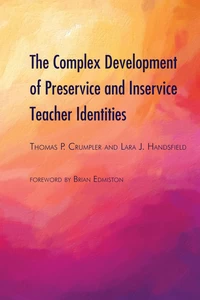
-
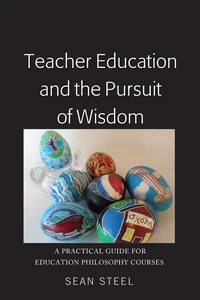
Teacher Education and the Pursuit of Wisdom
A Practical Guide for Education Philosophy Courses©2018 Textbook -
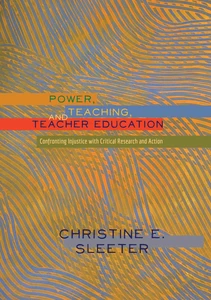
Power, Teaching, and Teacher Education
Confronting Injustice with Critical Research and Action©2013 Textbook -

Lillian de Lissa, Women Teachers and Teacher Education in the Twentieth Century
A Transnational HistoryMonographs -
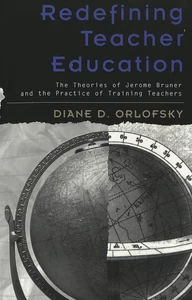
Redefining Teacher Education
The Theories of Jerome Bruner and the Practice of Training Teachers©2001 Textbook -
Reclaiming Caring in Teaching and Teacher Education
©2002 Textbook -
Teachers and Youth in Educational Reality
©2014 Edited Collection -

Quality Assurance and Teacher Education
International Challenges and Expectations©2012 Edited Collection -
Teacher Education in (Post-)Pandemic and (Post-)Digital Times
International Perspectives on Intercultural Learning, Diversity and Equity©2024 Edited Collection -

Serious Games in University Education of Future Teachers
©2021 Monographs -
Language Awareness in Teacher Education
Cultural-Political and Social-Educational Perspectives©2011 Edited Collection -

The Training of Imams and Teachers for Islamic Education in Europe
©2013 Conference proceedings -
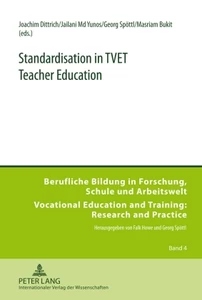
Standardisation in TVET Teacher Education
©2010 Edited Collection -
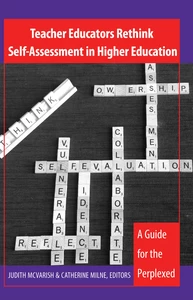
Teacher Educators Rethink Self-Assessment in Higher Education
A Guide for the Perplexed©2014 Textbook -
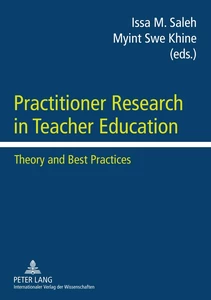
-

Teacher Learning and Informal Science Education
Expansivising Affordances for Diverse Science LearnersTextbook -
-

-
Engaging in Conversation about Ideas in Teacher Education
©2009 Textbook -
Cultural and Social Diversity in Language Teacher Education
©2021 Monographs -
-

Preserving the Provinces
Small Town and Countryside in the Work of Honoré de Balzac©2007 Monographs -
Plurilingual literacy practices at school and in teacher education
©2018 Edited Collection -
Provoking Conversations on Inquiry in Teacher Education
©2012 Textbook