


 de
de  fr
fr Chiunque conosca Alberto e conosca la sua opera, intesa anche come operare troverà in questo libro molte conferme e, come sempre capita con Alberto, molte suggestioni. Questa volta le suggestioni emergono già dal titolo del libro edito da Peter Lang: “Tradition and revolution. Law in action” che, come non capita poi così spesso, sintetizza perfettamente la volontà dell’Autore di ripensare categorie, appunto tradizionali, nel verso di una trasformazione, di un avanzamento. È stato Gaetano Salvemini ad affermare, infatti, che la parola Rivoluzione contiene in sé due significati: il primo, quello di definire un movimento illegale, violento e rapido, che distrugge un regime sociale e politico, contro le autorità; la Rivoluzione francese del 1789-1792, le rivoluzioni parigine del 1830 e 1848, la rivoluzione russa del 1917. Il secondo, appunto, quello di designare un trapasso, un rinnovamento profondo di una situazione tradizionale, il quale può avvenire senza rapidi movimenti illegali e per evoluzioni graduale; la rivoluzione industriale inglese, ad esempio. Esiste anche una lettura storica e antropologica, rivoluzione come contaminazione, tensione, come condizione dell’umano mai fino in fondo risolvibile; mi pare essere questo il filo rosso che percorre l’opera di Alberto – e, dunque, anche questa ultima fatica – un approccio metodologico che non intende rassegnarsi dinanzi alle facili sovrapposizioni, alle opposizioni dialettiche, che pretendono di mostrarsi perfette e risolvere tutto in una irenica definizione dell’ordine, da tempo disincantato. L’ordine, per Lucarelli, non è mai presupposto, non è mai dato; la sua idea di action, fonda quello che chiamerei un costituzionalismo dinamico, un costituzionalismo in cui il “rumore” prevale rispetto alla quiete. La rivoluzione significa, in questo senso, dispiegamento completo delle potenzialità della Costituzione; una visione agonista, secondo il lessico della Mouffe, che Lucarelli ha spesso richiamato nei suoi libri, che rompe con l’idea di una razionalità statica, e, ovviamente contro ogni idea di organizzazione del potere e dei poteri che, per comodità e cinico e spietato calcolo, oggi si vorrebbe ancora una volta, come già accaduto drammaticamente nel corso del Novecento, sintetizzarsi in un Capo. Due idee percorrono questo libro e, direi, l’intero suo lavoro: la prima è che senza partecipazione, senza giustizia sociale non v’è democrazia; la seconda è che la democrazia stessa è un legame, nel cui ambito il popolo dispone delle competenze e della capacità politica di agire in funzione del bene comune.
Su di entrambe, il libro si sofferma a lungo, in termini espliciti ed impliciti. L’intera costruzione e ri-costruzione del pensiero della coscienza civica, del comune, della proprietà pubblica, della funzione sociale della proprietà privata, è, in fondo, collegato al tema della socialità della giustizia, e a quello, ad essa, correlato, della capacità dell’uomo di contribuire in prima persona a lavorare e cooperare in funzione di questo obiettivo. La law in action si tramuta, così, nell’action for the law, per una legge che effettivamente possa essere rappresentativa dei bisogni e delle aspirazioni di un umano che desidera essere rappresentato. La cittadinanza, per quanto attiva, non basta, e certamente non basta l’idea, tipica di questo tempo, per ragioni che in questa sede non possono essere approfondite, che sia sufficiente un popolo collaborativo, consultato.
Conflitto e rappresentanza restano centrali, e, in questo senso, Lucarelli si conferma un autore pienamente repubblicano.
Quello che occorre fare, per Lucarelli, e anche per me, devo dire, è un “capovolgimento”, “capovolgimento” della situazione attuale, ricordando con chi ha ragionato sul suo etimo, che questa parola evoca la suggestiva immagine dell’aratro che rivolta la terra consentendo la semina. La rivoluzione, oggi, e di qui il principale legame con la tradizione, significa “immemorare” (Eingedenken), espressione suggestiva coniata dalla dottrina sulla scorta del pensiero di Bloch e Benjamin, che sta a significare l’irruzione nel presente di una “esigenza che viene dal passato”, esigenza che, si sottolinea, “non ha ancora avuto modo di attuarsi” (S. Marchesoni, Flashback – Forward. L’immemorare tra Bloch e Benjamin, in E. Bloch – W. Benjamin, Ricordare il futuro. Scritti sull’Eingedenken, a cura di S. Marchesoni, Milano, 2017, p.8). Rinnovare il presente, pensare un futuro che si nutra di quanto il passato ancora non ha espresso, nel verso dei principi sanciti dalla Costituzione, deve essere l’obiettivo di ogni futuro processo democratico.
Guardare al futuro è, dunque, possibile proprio se si tornerà più di prima alla Costituzione, a quanto ancora di inespresso può ritrovarsi nel testo, fornendo nuovo impulso all’insieme dei principi fondamentali che, dopo 70 anni, come si diceva, hanno dimostrato di non avere perduto il loro slancio teorico e simbolico. Ricostruire sistematicamente il loro significato “al presente”, tessere nuovamente le fila di una coesistenza armoniosa tra gli stessi, rivalutare il loro significato precettivo, continuare ad interrogarsi senza tregua circa il loro fondamento costituiscono, oggi, come ieri, obiettivi necessari per un futuro meno catastrofico. Una nuova unità d’azione statale, nel verso della Costituzione, implica, dunque, rimettere al centro le questioni che, in questi decenni, hanno inferto alla Carta colpi durissimi, che avrebbero potuto essere anche peggiori se il popolo non avesse deciso diversamente, tramite la via referendaria, rispetto ai progetti di grande riforma costituzionale promossi dal centro-destra, nel 2006, e dal centro-sinistra, nel 2016. Esse concernono, a mero titolo esemplificativo, l’asse delle relazioni tra Stato e Regioni, la cui crisi è stata definitivamente rivelata – semmai ve ne fosse stato bisogno – dalla vicenda pandemica, l’ordine delle fonti del diritto, in discussione da decenni, il problema del finanziamento dei partiti e, in generale, il ruolo e la funzione dei corpi intermedi, la legge elettorale, destinata, come hanno insegnato i grandi maestri della politica e del diritto, ad inverare la Costituzione, i rapporti tra democrazia rappresentativa e democrazia partecipativa, oggi fortemente sbilanciati (basti pensare al panico che sta creando la mera innovazione della raccolta digitale delle firme per il referendum), la funzione dei Parlamenti, il futuro digitale, la transizione ecologica e via discorrendo. Tutte questioni che riguardano direttamente l’attuazione della Costituzione. In questo senso, il libro insegna che occorre guardarsi da una logica dei fatti fine a se stessa, strumentale a marginalizzare il significato della Carta al fine di favorire processi di spersonalizzazione e neutralizzazione. Una nuova filosofia della storia costituzionale è il presupposto per dischiudere, nel futuro, le possibilità già presenti ma, potremmo dire, non ancora divenute. Immemorare, appunto.
> Tradition and Revolution. Law in action by Alberto Lucarelli
I was delighted to be invited as a special guest by Dr Graham Speake, Chairman and founder of the Friends of Mount Athos, for their summer conference held at St Anne’s College, Oxford University on 8th June 2024. It was their thirty-third such event.
Mount Athos, the Holy Mountain, is a pan-Orthodox male monastic enclave with UNESCO World Heritage status.
Graham Speake was my predecessor at Peter Lang Ltd, and I was originally hired to replace him upon his retirement at the very end of 2010. Anyone who is anyone with an interest in Athonite scholarship and spirituality will know that Graham Speake is synonymous with writings of an exceptionally high standard. Indeed, he has won the Criticos Prize and is, I am delighted to say, one of our series editors for Studies in Eastern Orthodoxy and a prolific author, editor and contributor to the canon of works, including Orthodoxy and Ecumenism and Neagoe Basarab – Princeps Christianus.
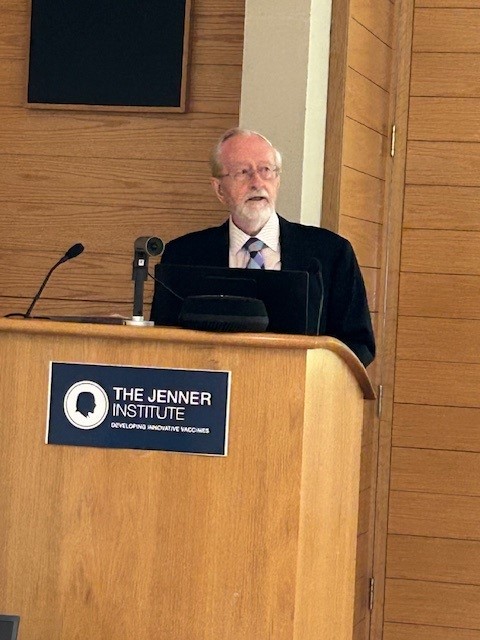
I am not an Orthodox Christian, and yet many years ago now, Graham (or Gregory, as he is known in the Church) gave me the name Fotini to denote my “associate” status to Eastern Orthodoxy as the root meaning of the Greek echoes the Latin origins of my name, Lucy, meaning “light”.
As a woman, it was very telling to listen to and see the first speaker, Dr Vanessa de Obaldia, present on her three-year project to catalogue, digitise and translate the entire Ottoman archive of Simonopetra Monastery. This is a monastery, like the other twenty or so on Athos, that she will never visit as women are prohibited from visiting Athos. She showed a picture of herself at the land border to Athos, which is a peninsula – that is as near as she can ever get. It was interesting to note in the coffee break that a few other delegates were also discussing this anomaly, which to most adherents of the faith will just be accepted as part of the ancient tradition that after several monks reported visions of the Virgin Mary, it was decided that they would devote themselves to her, and that no woman should be allowed to outshine her. All women were banned from the Holy Mountain thenceforth, and indeed all female animals along with them.
The second talk was by Professor Stavros Mamaloukos “Byzantine Athonite Architecture – An Overview”.
This was a very rich and detailed exploration of the buildings and architectural hinterland of Mount Athos. Around 60 ecclesiastical structures survive in some form from the Byzantine period today.
This talk was fascinating – literally layers of history were uncovered and the connections and echoes of Byzantium in so many buildings in the diaspora were clearly shown.
There is plenty of engagement at these talks, but it is a fact that the audience in attendance are an ageing populace, and although I sat through the AGM and heard of new subscribers this year, there will have to be a concerted drive to encourage younger people interested in Athonite spirituality, scholarship and theological practice. After all, the patron of the FoMA is King Charles, who has continued his affection and support of its endeavours after his accession to the throne, and with such lofty support, one would hope for a long and sustained support and enrichening of the work and efforts of the dedicated members.
The last talk was by on the society’s 2023 pilgrimage to Bulgaria. Pilgrimage Studies and pilgrimage in general are enjoying a revival right now and this may prove to the route to brining in new members to the Society who have a interest in exploring and experiencing the rich cultural, ecclesiastical and spiritual offerings of those countries with an Orthodox history.
Discover our Pilgrimage Studies and our Studies in Eastern Orthodoxy series.
Peter Lang Group titles edited by Graham Speake include Pilgrimage to Mount Athos, Spiritual Guidance on Mount Athos, The Life of Prayer on Mount Athos, Mount Athos and Russia: 1016-2016, and more.
Discover more at The Society of the Friends of Mount Athos
Peter Lang Group are pleased to share that Jonathan Gordon Smith’s book Advaita, Christianity and the Third Space
Abhishiktananda and Bede Griffiths in India, has been shortlisted for the 2019-2023 Book Award in Hindu-Christian Studies (Theology/Philosophy) from the Society of Hindu-Christian Studies. Congratulations to Jonathan Gordon Smith on this fantastic news
Click here to learn more.

June Boyce-Tillman, editor of the book series Music and Spirituality
This is the sixth and final part in a series on Finding Forgiveness.
My searching has taken me into many different areas — sometimes rewarded with success, sometimes less so — most of them involving, ritual, prayer creativity and music.
Around the years of my searching, the landscape of our culture has changed in a huge variety of ways; this quest has enabled me to find my place within these various changes. The danger of the present situation is that people become defined by their childhood experiences which are often seen as a pathology. For a long time, I lived with the idea that there was a June who had not been abused and was not wounded. The notion that I could be healed and attain that imagined personhood was quite comforting — that these early experiences could be taken away. This was, of course, a lie. There is no alternative me — only the one with the life story set out here.

The real question is how we use the legacy of our younger lives. Some talk of leaving them behind, others of forgetting them and others of forgiving. The last term has been popular with the Church, which, as we have seen, has been concerned more about the product — the final destination — rather than the complex route of getting there. It has ignored, in particular, the place of anger in the complex process. Indeed, the stages of forgiveness are not unlike those set out by Elisabeth Kubler Ross for the grieving process: denial, anger, bargaining, depression/sadness, acceptance/celebration. These stages may overlap and may last a lifetime. However, it is important to enable people to move beyond the stages of victimhood and surviving, towards celebration.
It has been suggested to me by well-meaning helpers that forgiving is also for the benefit of the perpetrator and that a carefully monitored face-to-face meeting between the survivor and perpetrator is mutually advantageous. But in this narrative the perpetrator is dead. But the concept that forgiveness is a gift bestowed to aid the perpetrator is to misunderstand the power of forgiveness for the survivor; forgiveness (often fueled by understanding) enables the survivor of injustice to let it go or rather, as I prefer to regard it, to use it as a mulch that is recycled in a life:
The idea of unfinished projects and unused experiences as mulch derives from Alan Bennett:
Creativity is a real player in the game of recycling. I called my book on healing The Wounds that sing. The story of highly creative people shows how they plumb the depths of their lives to produce their creations. But these people are regularly pathologised, because they often experience life so intensely and have considerable mood swings. Support is also necessary. I have had good professional support for some time: establishing a group of friends who can cope with me in my darkest moods has been an effective way of managing the most difficult parts of myself.
Belonging has always been a problem for me. The isolation of childhood abuse is very wounding. It was only in the middle of my life, that I found places where I really felt I belonged. The history of the Church, in relation to people who are different, is not good. There often appears to be more concern about who to keep out, rather than who to welcome in. There are exceptions, one of which I found at St James’ Piccadilly, but my experience of the Church has often been bruising. Yet I hang on in there; it is still my spiritual home. In the end, to rediscover gratitude is a real antidote to depression. Gratitude can be expressed for little things as well as big. Each night I write down five things for which I am grateful that day.
It is via gratitude that we approach wonder or amazement. There is a sense in which wonder restores the innocence that may have been taken from us quite early. This is how God comforts Job, in that enigmatic book in the Hebrew Scriptures. God shows Job the variety and the wildness of nature, reveals Job’s place in a greater cosmic scheme, a place that can be reached in this life, not only via dying.[4] Dying was my way out for so many years and now the rediscovery of the liminal space in this life — embracing it and finding ways to access it — has been an important part of my journeying into the Divine loving.
It took a great deal of prayer and support to do carry out this ritual of forgiveness. I had been worrying for many years about how to resolve my story. It did not involve courts and lawyers but a private acknowledgement. It involved a grasp of ritual as a way of dealing with the past.
It was a very long journey and involved so many different stages and emotions. It demanded a great deal of perseverance and in the end I tried to encapsulate in a very long song to the tune of My bonny lies over the ocean.
Forgiveness Journey
[1] Boyce-Tillman, June (2006). A Rainbow to Heaven — Hymns, Songs and Chants. London: Stainer and Bell, p. 98. @Stainer and Bell.
[2] Bennett, Alan (2016). Keeping on keeping on. London: Faber and Faber, p. 103.
[3] June Boyce-Tillman, started in Norway 2008
[4] Brown, William B. (2014). Wisdom’s wonder: Character, Creation and Crisis in the Bible’s Wisdom’s literature. Grand Rapids, MI and Cambridge UK: William Eerdmans Publishing.
[5] Written by June Boyce-Tillman March 29th 2018 (Maundy Thursday) finished on Easter Sunday Aril 1st.
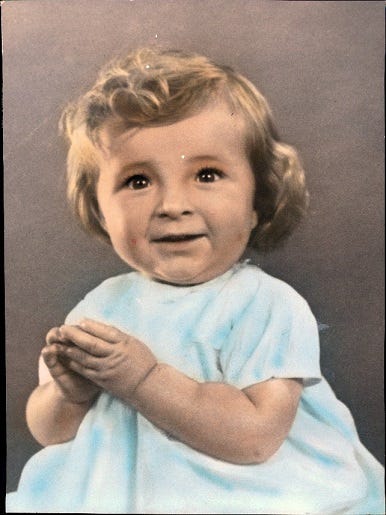
June Boyce-Tillman, editor of the book series Music and Spirituality
This is part 5 in a series on Finding Forgiveness.
It was Palm Sunday in Florence and the processions of waving olive branches filled my heart. I was sitting in the portico of a palace, when the mobile phone rang and told me that my abuser had died.
Was it really all over? I remembered the festivals when the family gathered together — the darkened room and sitting on his knee and his desire for me to make him happy. It was when I arrived in England that the tears started. Now I had my final chance to put it behind me, if only I could face that coffin. I knew about coffins. After all, I had worked briefly for an undertaker, which had taught me about that. I knew the feel of the dead — I knew how to
- Love them
- Talk to them
- Give them their final blessing
- Sense their presence or absence
Saturday dawned well. The taxi would come at 8.15 for a train that would get me there at 11.15. The train rumbled through the beautiful countryside. When I got to the coffin, he looked old — not like I remembered him at all. He was fatter then and there were no glasses. I tried to imagine this old man young — the thick lips, the fatter cheeks. His hands were red with bruising — had they put drips in when he died? They looked oddly, in this Holy Week season, like crucified hands. Had I crucified him? Was that how he had seen it? These were the hands that had touched me, that had given me, so early, the delights of sex. And now, they were red and raw. I could not touch them yet. I had to look at them and get used to them. Would they rise up and touch me again?
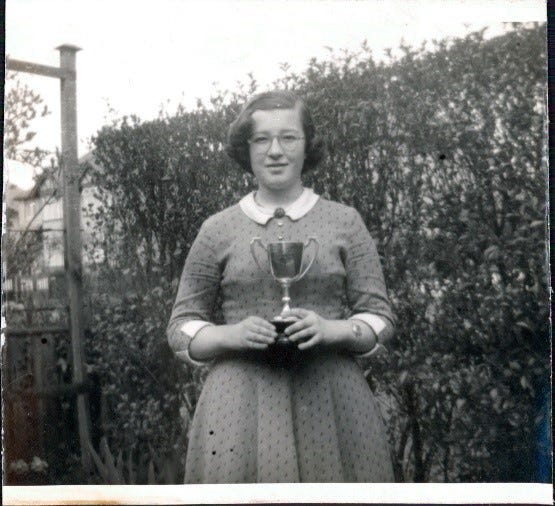
I started to talk to him. Did he remember our time together — the darkness — how he would make me into a proper woman (did he not realise I was actually a child?) And then I moved to the gifts, the gifts born of the experiences that he had given: the large pieces I had written, the struggle to be a composer and finally a priest. I talked of the hymns I had written and I sang him my hymn on love:
Could I set him free? I, who held onto things so long, whose house was filled with a collection of sentimental junk from which I could not be separated? What would it mean to let him go?
What was the good he sought? And I knew. He had wanted to be a priest but what he had done to me had stopped him.
I had certainly stood alone throughout my life. Plagued by loneliness, depression, with very little family to speak of and alienated by this experience from the ones I might have had, I had been on a long journey, carried by my faith and the religious rituals that I and my friends had devised:
And now we both were moving on — he to his eternal rest and me onto I knew not what. But I knew that my faith would lead me, as it had for so long, and that it would not rest until I found my eternal home, but that it might be more restful with him gone if only I could let him go.
This was the real prayer. And then it happened. To the side of the statue of Jesus, he appeared as a young man in his brown sports jacket, which I had forgotten; I knew he was waiting to go. He had come out from the old dead man: the young soul, waiting to go into the arms of his Lord or to be reborn, however you saw it. I went to my carefully packed bag and found the oils, put on the stole and opened the small bottle of oil. as a memorial,” I thought. I went over and touched his forehead. It was cold and firm. I made the cross again on his forehead and started on the ancient prayer:
The young man in the sports jacket was surrounded by angels. And then I knew he was gone. I sat on the chair, away from the body and imagined the magnificent Elgar setting of the text of Praise to the Holiest in the Height. I heard it in all its majesty with unusual joy.
[1] Boyce-Tillman, June (2006). A Rainbow to Heaven — Hymns, Songs and Chants. London: Stainer and Bell. @Stainer and Bell p. 83
[2] Boyce-Tillman, June (2006). A Rainbow to Heaven — Hymns, Songs and Chants. London: Stainer and Bell. @Stainer and Bell

June Boyce-Tillman, editor of the book series Music and Spirituality
This is part 4 in a series on Finding Forgiveness.
The Church often preaches an instant forgiveness with little informed help:
Christians have too often met [survivors of abuse] instead with indifference, suspicion and incredulity. They have been reluctant to address their cry for care and their cry for justice. They have preferred to advise, preach and give their counsel rather than to listen, learn and simply be alongside. They have thought that they know the journey to be travelled and the speed it should take, and have sometimes compounded suffering and harm through what was imagined to be pastoral ministry. [1]
Others indicate that forgiveness is not at all possible and leave people in the permanent state of survivor. This book sets out the lengthiness of the journey but the possibility of an arrival:
VIA NEGATIVE
Bilinda[2] (2014) (who lost her husband in Rwanda) presents us with four choices at the outset:
- To acknowledge the reality of what had happened
- To reject revenge
- To acknowledge the common humanity of all involved
- To believe that God’s love could enable repentance on the part of the perpetrator.
Put together from other writers, there are many stages in what is a long and complex process:
- First stage — a safe place for the expression of anger and fear
- The need for the offence to be accepted as real and not forgotten[3]
- ‘Forgive and forget’ owes more to King Lear than Christian theology [4]
- The second stage — naming the shame and guilt
- The third stage — reconciliation with the self and giving up self-persecution by damaging behaviours
- Giving up the survivor identity — can be done through creativity, ritual and a supportive community[5]
Forgiveness is a process not a product and can be lifelong for the deepest wounds. Not to forgive is to damage not the other person, but one’s self. It is to let go of the past and not be continually trapped by it. I have learned this slowly and painstakingly. I have had good tools:
- Faith — meaning-making
- Prayer — re-centering
- Ritual
- Creativity
- Support by people with a similar meaning frame as yourself
- Belonging
- Gratitude
- Wonder
- Embracing paradox
Questions: Where does forgiveness come from? Where are you in that process, personally and culturally? Does your church teach forgiveness or simply preach it?
[1] The Faith and Order Commission (2016). The Gospel, Sexual Abuse and the Church; A theological resource for the local church. London: Church House Publishing, p. 40.
[2] Bilinda, Lesley (2014). Remembering Well: The Role of forgiveness in Remembrance. Anvil, 30 (2), contacted 1 February 2018.
[3] Flaherty, S. M. (1992). Woman, why do you weep? Spirituality for survivors of childhood sexual abuse. Mahwah, NJ: Paulist Press.p141
[4] Fortune, Marie (2002). Pastoral responses to sexual assault and abuse: Laying a foundation. Journal of Religion and abuse, 3 (3), pp. 9–112.
[4] Shooter, Susan (2016). How survivors of abuse relate to God. London and New York: Routledge, pp. 12–14.

June Boyce-Tillman, editor of the book series Music and Spirituality
This is part 3 in a series on Finding Forgiveness.
In part 2, I shared some personal examples of which have enabled the process of establishing an authentic interiority following traumatic experiences in myself.
Since then a number of people have come to me with a similar history to mine. They somehow know mine, I think, at some level. Some come for advice and some to tell me old stories. As a result, I wrote this hymn reflecting on it all to the tune Finlandia — usually used for the hymn: Be still my soul.
What I have set out in this book how I have recycled and turned the legacy of the past into a rich compost that can grow into celebration and creativity. This has been partly though music (the freedom song of the title): hymns, longer works and the one-woman performances. These have played a significant part in the healing process for myself and others. Recently, in South Africa, after a performance of my show Seeing in the Dark (which is on the subject of abuse) an unknown man came up to me in tears, talking of his own healing and thanking me for telling his story.
I am hoping that my story may help people managing the complexity of their own life-story, to mulch it down into authentic interiorities. God has been good to me. I still find a Christian frame one that enables me to make meaning effectively. Within this frame, life is a journey into understanding Divine love in all its varied forms. In an age where love is often portrayed as an erotic relationship between two people, my life has revealed both the cost and the blessings of loving. People enculturated in other faiths may well make meaning differently. The important thing is to have a sense of a wider picture, into which your story fits. The Christian frame that I have used offered me s hope — perhaps the most significant of all virtues. I have had a long joyful journey but the destination has been worth it.
RE-MEMBERING
[1] Berry, Jan, and Pratt, Andrew (2017). Hymns of Hope and Healing: Words and Music to refresh the Church’s ministry of healing. London: Stainer and Bell. p92. @Stainer and Bell
[2] June Boyce-Tillman to the tune Adapted from the Handel aria: Lascia ch’io pianga. Berry, Jan, and Pratt, Andrew (2017). Hymns of Hope and Healing: Words and Music to refresh the Church’s ministry of healing. London: Stainer and Bell. p123 @ Stainer and Bell

June Boyce-Tillman, editor of the book series Music and Spirituality
This is part 2 in a series on Finding Forgiveness.
In Part 1, I explained how we can establish an authentic interiority following traumatic experiences. Here, I will describe two examples which have enabled this process in me:
A ritual of mutuality – Liturgies of Separation
At the end of the marriage Church could offer us little help because of its theology of the sanctity of marriage vows, carefully enshrined and imposed by the weight of the Marriage Eucharist. The acknowledgement of divorce in religious terms is still a hole-in-the-corner affair. And yet, if there is a weighty liturgy at the beginning of marriage, surely there must be some sort ritual at the end? A social worker in the Conciliation Service offered us a reversal of the marriage ceremony, conducted like a presiding minister.” Hold hands; look into one another’s eyes and repeat after me”:
“Thank you for the good times we have shared together.”
“I am sorry for all the times that I have hurt you.”
“Goodbye as my husband.”
“Hello as the separated parent of our children”
And then the same process by the other partner. Some people might want me to write that, as we looked at another, we knew that our marriage was restored. But that is not what happened. After it, we sat apart in separate chairs and wept for what might have been, but could never be. I am glad of the friendship and our mutuality in caring for and protecting our children. Now we are good friends. We are separated parents and joint grandparent. As we all sat down for a celebration meal for our granddaughter winning a gold medal — our two sons, my eldest son’s divorced wife with her new partner, my ex-husband and me — the family gathering appeared to me as a miracle.
A song
My relationship with my mother was a mess. It had not been sorted while she was alive. In May 2005, I was at a conference designed to produce a book on peace-making, Rik Palieri, (Palieri 2008) a colleague of the protest singer Pete Seeger, had talked about how he had achieved reconciliation with his father, by composing a song that he sang at a family gathering. In this song he saw his father’s abuse in the context of cultural views of manhood in the US. In an open air café in Madrid, while eating paella, this song was written. My mother was dead, but I thought I might achieve a measure of resolution of our complex and troubled relationship. I situated her in the culture of womanhood in her days. In verse four there is a reference to Ibsen’s The Doll’s House and how my mother’s generation were trapped in a particular form of marriage. This meant that often all of a woman’s energy was focussed on one small group of people. The song forms part of my one-woman performance Juggling: A question of identity, where it is sung as a letter to her, and has moved many others wherever it is used.
The author with her mother:
MOTHER AND DAUGHTER
The song was an important part in mulching down the difficult parts of my childhood. However, now these provide compost for the creativity which has characterised my life as a hymn and song writer, a composer, conductor, teacher and priest.
[1] @Stainer and Bell

June Boyce-Tillman, editor of the book series Music and Spirituality
This is Part 1 of a series of articles on Finding Forgiveness.
What do we with the past, particularly when it involves serious abuse? Is it possible to mulch it down into a rich compost for current projects or does it remain permanently as a blot on the landscape of the past? Predestination has reappeared at various points in European history. In a religious context, certain people are predestined for heaven and certain others for hell. In a contemporary context it appears as: This is what you have experienced as a child and, therefore, this is what you can expect as an adult.

At present the answer to abuse seems to be a courtroom. We have lost touch with the three aspects of the private, social and public dimensions. The public aspect often concentrates on legal requirements in safe guarding procedures. But in the social and private dimensions we have often confused reconciliation, repentance and forgiveness[1] (Bash 2007 pp58–62, Cantacuzino 2015).
It seems to me that we are in danger of confusing vengeance with justice. This confusion may leave people trapped in the stage of anger, rather than enabling them to move on beyond it, to the important phases of acceptance and celebration. Although the extreme confidentiality of my own youth was unhealthy, over-publicity may be equally pernicious. Yes, the story needs to be heard and acknowledged, but by which people? How many people are necessary? I wonder if the criminal justice system is the best way for stories to be heard. For the purpose of stopping further actions on the part of the alleged perpetrator, the system is essential; I look back at my life and think about which of the perpetrators were actually challenged; I think it was only one — the psychiatric nurse in a hospital. To challenge the ones in my family would have meant serious fractures within the family circle and possibly my being taken into care; here, it would seem, the possibility of the abuse continuing was even more likely. Apart from stopping potential perpetrators, the question we need to ask is how survivors can be enabled to become celebrators and to use their experience profitably for the good of the wider community.
Perhaps the problem is the tools for mulching experience into rich compost for the future. In an age when we are deleting from the school curriculum the arts and philosophy/theology we may find that we have lost vestiges of the tools. These are — in my experience:
• Faith — meaning-making
• Prayer — re-centering
• Ritual
• Creativity
Through these we can establish an authentic interiority (O’Sullivan) in my experience.
In the next post, I will describe two examples which have enabled this process in me….
[1] Bash, Anthony (2007). Forgiveness and Christian ethics. Cambridge: Cambridge University Press.
[2] https://www.slideshare.net/MichaelOSullivan7/authentic-subjectivity-and-social-transformation Contacted Feb 2nd 2018
Cantacuzino, Marino (2015). The Forgiveness Project: Stories for a vengeful age. London: Jessica Kingsley