results
-
Language in the Digital Age / Las lenguas en la era digital
ISSN: 2940-9306
In an increasingly digital world, language is evolving at a rapid pace and new forms of communication and learning are coming into being. Books published in the series Language in the Digital Age / Las lenguas en la era digital explore various aspects of digital linguistics, ranging from natural language processing to translation, transcreation, and discourse analysis. The series is aimed at linguists and practitioners interested in the fascinating and complex ways in which language and technology intersect, and in how this intersection is transforming human interaction in the digital age. Each volume of the series provides readers with a detailed and accessible introduction to the key concepts and techniques in the field, as well as the latest research and developments. The books are written by leading experts in the field and are designed to serve as a comprehensive guide for beginners and a valuable resource for advanced research. En un mundo cada vez más digital, el lenguaje evoluciona a gran velocidad y, con ello, emergen nuevas formas de comunicación y aprendizaje. Los títulos de la colección Las lenguas en la era digital versan sobre diversos ámbitos de la lingüística digital, desde el procesamiento del lenguaje natural hasta la traducción, la transcreación y el análisis del discurso. Esta serie está dirigida a académicos y profesionales de la lingüística interesados en las complejas formas en que convergen lengua y tecnología, y en cómo esta confluencia está transformando la interacción humana en la era digital. Cada volumen de la colección presenta de forma detallada y accesible los conceptos y las técnicas clave, así como las últimas investigaciones y avances en este campo. Los libros, escritos por expertos en la materia, se encuentran diseñados para servir tanto de guía para principiantes como de referente para investigadores experimentados Editorial Board: Carolyn Blume (Technische Universität Dortmund), Karen Miladys Cárdenas Almanza (Universidad Nacional Autónoma de México), Ron Darvin (The University of British Columbia), Óscar Ferreiro Vázquez (Universidade de Vigo), Jesús García Laborda (Universidad de Alcalá), María de los Ángeles Gómez González (Universidade de Santiago de Compostela), Andréia Guerini (Universidade Federal de Santa Catarina), Chuah Kee Man (Universiti Malaysia Sarawak), Blanka Klímová (Univerzita Hradec Králové), Javier Pérez Guerra (Universidade de Vigo), Miguel Luís Poveda Balbuena (Uniwersytet Komisji Edukacji Narodowej w Krakowie), Nino Angelo Rosanía Maza (Universidad de San Buenaventura), William Rowlandson (University of Kent), Giselle Spiteri Miggiani (L-Università ta' Malta), Chelo Vargas Sierra (Universidad de Alicante), José Yuste Frías (Universidade de Vigo), Juan Miguel Zarandona Fernández (Universidad de Valladolid).
6 publications
-
Sprache und Digitalkultur / Language and Digital Culture
ISSN: 2626-3394
With the advent of digitization, communication with and between machines increasingly plays a role in interpersonal interactions. What will the future look like: will algorithms become more important than argumentation? Will societal discussions and decisions be replaced by big data analyses? What role will social media play, and how will communication work there? Will we still be telling stories in the future, while algorithms will be writing history? In short, how will information technology, social robots and artificial intelligence alter our existing understandings of communication in the emerging digital age? This book series aims to provide an interdisciplinary forum for both empirical and theoretical discussions of the relationship between language and digital culture. Book proposals are welcome and may be sent to either the editorial board or the publisher. The languages of publication are German and English. Mit der Digitalisierung tritt neben die zwischenmenschliche Interaktion zunehmend die Kommunikation mit und zwischen Maschinen. Doch wie wird die Zukunft aussehen: Werden Algorithmen wichtiger sein als Argumente? Werden soziale Diskussionen und Entscheidungen durch Big Data-Analysen ersetzt? Welche Rolle werden die Social Media spielen, und wie wird dort kommuniziert werden? Werden wir uns zukünftig zwar noch Geschichten erzählen, Algorithmen aber faktisch Geschichte schreiben? Kurzum: Wie werden Kommunikationstechnologien, soziale Roboter und Künstliche Intelligenz unser bisheriges Verständnis von Kommunikation in einer beginnenden Digitalkultur verändern? Die wissenschaftliche Buchreihe möchte diesem Spannungsverhältnis von Sprache und Digitalkultur ein interdisziplinäres Forum der empirischen wie theoretischen Auseinandersetzung bieten. Manuskriptvorschläge an Herausgebergremium oder Verlag sind willkommen. Publikationssprachen sind Deutsch und Englisch.
6 publications
-
-
-
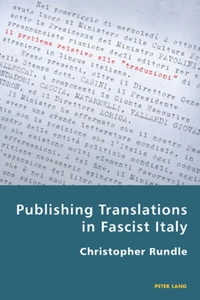
Publishing Translations in Fascist Italy
©2010 Monographs -
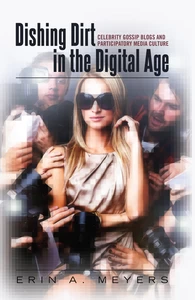
Dishing Dirt in the Digital Age
Celebrity Gossip Blogs and Participatory Media Culture©2013 Textbook -

-
-

-
-
-
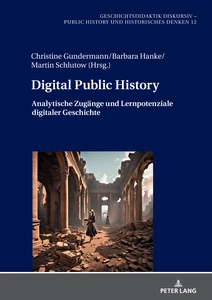
Digital Public History
Analytische Zugänge und Lernpotenziale digitaler Geschichte©2024 Edited Collection -
-

-

-
-
Digitalization and Future of Digital Society
©2020 Edited Collection -
-

-

Establishing Competitive Advantages in the Service Sector in EU Member States
©2010 Edited Collection -

-
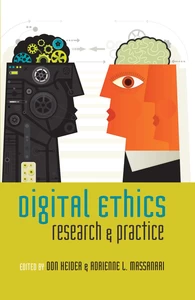
-
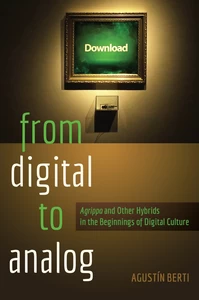
From Digital to Analog
«Agrippa» and Other Hybrids in the Beginnings of Digital Culture©2015 Textbook -
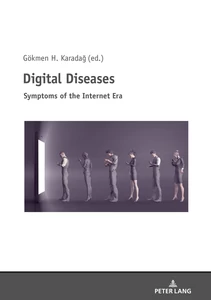
-
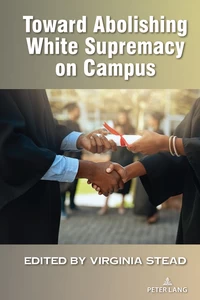
Toward Abolishing White Supremacy on Campus
©2023 Textbook