results
-
Enjeux internationaux / International Issues
ISSN: 2030-3688
Studies in international relations, particularly historical, stem from the changing face of diplomacy over time, where the deeper forces at play, such as those once defined by Pierre Renouvin, are taken into account. Individual states, and those who define and implement their policies, are placed at the heart of global life. According to this concept, countries pursue a course of action by taking advantage of the most diverse range of tools they can rely on, such as economic or cultural resources, which act alone or interact with others. The study of international relations grew into different fields of analysis during the 20th century, but it is now subject to a new scrutiny in this era of globalisation. This concept, which coincides with the development of neo-liberal analysis since the 1980s, reveals a new awareness about the increased number of actors NGOs and multinational companies, for example but also the large autonomy they enjoy when it comes to action. This series aims to portray these new perspectives and their impact on current research. Without casting aside studies in international relations that focus on states, it tries to better understand the diverse range of factors that play out on the world stage and how they relate to each other from the high stakes in sport to the use of colonial memory. This series targets academics and analysts who wish to apply 20th century history to contemporary thought. L’étude des relations internationales, tout particulièrement dans le champ historique, est issue d’une histoire diplomatique largement rénovée à travers la prise en compte des forces profondes telles que les a jadis définies Pierre Renouvin. Elle place les États et ceux qui sont chargés de définir et de mettre en œuvre leur politique au cœur de la vie internationale. Selon cette conception, les États conduisent leur action en jouant sur la palette des moyens les plus divers sur lesquels ils peuvent s’appuyer, tels que l’économie ou la culture, et qui agissent ou interagissent les uns par rapport aux autres. La démultiplication des champs d’analyse de la vie internationale se développe ainsi tout au long du XXe siècle, mais est l’objet d’un nouveau regard en ces temps de mondialisation. Cette dernière, contemporaine du développement des analyses néo-libérales depuis les années 1980, témoigne tout à la fois de la prise de conscience de la démultiplication des acteurs en présence – ONG, entreprises multinationales par exemple – et de la large autonomie d’action de ces multiples acteurs. La collection « enjeux internationaux » se veut représentative de ces perspectives renouvelées et de leur impact sur les recherches actuelles. Sans abandonner l’étude des relations internationales centrées sur les États, elle cherche à mieux appréhender la diversité des segments qui composent le champ international et le mode de relations entre ces derniers : de l’enjeu que constitue le sport à celui de l’usage de la mémoire coloniale. Elle s’adresse ainsi aux universitaires et analystes souhaitant interroger les grandes thématiques du siècle dernier au service d’une réflexion sur le présent.
56 publications
-
Internationale Theologie / International Theology
Die Reihe Internationale Theologie / International Theology widmet sich einem vielfältigen Spektrum theologischer Fragestellungen. Der Schwerpunkt liegt dabei auf internationalen Forschungsgegenständen und der Auseinandersetzung mit den Lehren bekannter theologischer Persönlichkeiten.
22 publications
-
New International Insights/Nouveaux Regards sur l’International
ISSN: 1780-5414
En hommage au fondateur de l’ancienne collection Regards sur l’international, Eric REMACLE, les éditeurs ont proposé de le renommer New International Insights. Leur objectif consiste à inviter les auteurs potentiels à considérer les situations, les études de cas et les dynamiques qu'ils souhaitent analyser et conceptualiser comme innovantes dans un ordre mondial de plus en plus multipolaire, plus que comme une simple continuation des évolutions et des théories passées. C'est l'approche qui caractérise les propres recherches des éditeurs. Plus d'un quart de siècle après la fin de la guerre froide, les innovations constantes eurasiennes, transatlantiques, africaines, asiatiques-pacifiques et panaméricaines remettent en question les conclusions les plus analytiques presque aussitôt qu'elles ont été formulées. Pourtant, il y a un besoin de théorie. Les exemples dépasseraient le cadre de cette brève présentation, mais une illustration valable peut être suggérée: le tournant par lequel une Asie sino-post-soviétique déjà innovante s'est révélée capable, tout en étant au stade de sa première affirmation, d’engager l'Asie du Sud et de construire une relation triangulaire Chine-Russie-India qui bouscule, voire remet en question la plupart des visions existantes de l’Asie, notamment les visions néoréalistes. Les visions traditionnelles cèdent ainsi aux incertitudes contemporaines. Alors que les acteurs non-étatiques provoquent toujours le recul, le retrait ou le trébuchement des États, de nouvelles constructions trans-nationales et même trans-continentales, font « revenir » les États, même si c’est autour d’objectifs différents: logistiques et commerciaux, tandis que la coopération militaire apparaît comme une forme datée et remise en question de mise en œuvre de la sécurité . New International Insights vise à équilibrer les publications de livres d'auteurs de toutes origines intellectuelles, occidentales et orientales, d’auteurs du Nord et du Sud. Ce n’est qu’ainsi que l’on pourra espérer faire avancer la vision de ses premiers fondateurs. Un monde post-moderne a besoin d’une épistémologie post-occidentale pour dévoiler sa nouvelle signification. Les manuscrits en science politique et en sciences sociales sont invités à être soumis, de préférence en anglais, entre 450 000 et 650 000 signes, notes et annexes comprises. * * * In tribute to the late founder of the collection, Eric Remacle, the editors have proposed to call this book series New International Insights. The novelty thus pursued consists of inviting prospective authors also to view the situations, case-studies and dynamics they analyse and conceptualise as innovative in an increasingly multipolar world order, more than as a mere continuation of past evolutions and theories. This is the approach characterising the editors' own research. Over a quarter of a century after the end of the cold war, Eurasian as well as Transatlantic, African, Asian-Pacific and pan-American constant innovations question most analytical conclusions almost as soon as they are reached. Yet, there is a need for theory. Examples would exceed the scope of this short presentation but a worthwhile illustration can be suggested: the turning point whereby an already innovative, sino-postsoviet Asia has proven capable, while still in its affirmative stage, to engage South Asia and construct a China-Russia-India triangle that offsets or even jeopardises most existing visions of Asia, notably neo-realist ones. Traditional visions thus yield to contemporary uncertainties. While non-State actors are still causing States to wither, withdraw or falter, new transnational and even transcontinental constructions are bringing States back in, however much around different objectives: logistical and commercial, while military cooperation appears a dated and questionable form of security enforcement. New International Insights aims at balancing book publications among authors of all intellectual origins, western as well as eastern, northern as well as southern. Only in this manner can it hope to take the vision of its early founders one step further. A post-modern world needs post-western epistemology in order to wield its new meaning. Manuscripts in political science and social sciences are encouraged for submission, preferably in English, between 450,000 and 650,000 signs. ----------------- *Responsables de collection/Series Editors* Pierre Chabal (PhD, Dr Habil), Political Sc. Associate Professor (regional studies), Le Havre University. Sciences-Po Europe-Asia campus 2007-2024 Esra Lagro (PhD), Jean Monnet Professor of European Union Governance and Professor of International Relations, CIRP, Turkey Saniya Nurdavletova (PhD), Eurasian National University and Astana International University, Director of Centre for International Studies Brigitte Vassort-Rousset (PhD), Professor Emerita in Political Science. Former ECPR-SGIR Chairperson. Research Fellow Sciences-Po Grenoble -------- *Comité scientifique/Scientific advisory Committee* Aliya Akatayeva, Satpayev University, Almaty, Kazakhstan Regional construction of Central Asia, Regional organisations of Central Asia Antonio Alonso Marcos, San-Pablo University, Madrid : EU Foreign Policy and diplomacy, EU-Kazakh and EU-CA relations Nosgoi Altantsetseg, National University of Mongolia (ret.) History of East Asia, China and Russia, diplomatic relations Libre Bararunyeretse, Ambassador (ret.) Ph.D., International negotiation processes, conflict resolution studies, African studies Aibolat Dakelkhan, Gumilyov ENU, Astana -- Kazakhstans foreign policy, Chinas diplomacy, Kazakh-Chinese relations Jean-Pascal Daloz, CNRS (Research Director) France and Yale University Political representation, cultures, social distinction, comparativism Turtogtokh Janar, Professor at National University of Mongolia Political sociology of Mongolia and East-Asia, social and political mobilisation George Kallander, Professor at Syracuse University, United States History of East Asia, Korea and Japan, social movements Nedret Kuran, Professor Dr Emerita of Comparative cultural studies and European studies Policies of reciprocal perceptions Sylvie Lemasson, Ph.D., Dr. Habil., Political Science Associate Professor at Sciences Po Grenoble, Diplomat European history, Border studies, International cooperation Giuliano Luongo, Pegaso University, Italy. Transport geography, energy and sustainable development Kyun-Gyon Moon, Jeonbuk National University, Seoul : UN, SDG, Financial Aid,Indo-Pacific, APR, Public Diplomacy En hommage au fondateur de l’ancienne collection Regards sur l’international, Eric REMACLE, les éditeurs ont proposé de le renommer New International Insights. Leur objectif consiste à inviter les auteurs potentiels à considérer les situations, les études de cas et les dynamiques qu'ils souhaitent analyser et conceptualiser comme innovantes dans un ordre mondial de plus en plus multipolaire, plus que comme une simple continuation des évolutions et des théories passées. C'est l'approche qui caractérise les propres recherches des éditeurs. Plus d'un quart de siècle après la fin de la guerre froide, les innovations constantes eurasiennes, transatlantiques, africaines, asiatiques-pacifiques et panaméricaines remettent en question les conclusions les plus analytiques presque aussitôt qu'elles ont été formulées. Pourtant, il y a un besoin de théorie. Les exemples dépasseraient le cadre de cette brève présentation, mais une illustration valable peut être suggérée: le tournant par lequel une Asie sino-post-soviétique déjà innovante s'est révélée capable, tout en étant au stade de sa première affirmation, d’engager l'Asie du Sud et de construire une relation triangulaire Chine-Russie-India qui bouscule, voire remet en question la plupart des visions existantes de l’Asie, notamment les visions néoréalistes. Les visions traditionnelles cèdent ainsi aux incertitudes contemporaines. Alors que les acteurs non-étatiques provoquent toujours le recul, le retrait ou le trébuchement des États, de nouvelles constructions trans-nationales et même trans-continentales, font « revenir » les États, même si c’est autour d’objectifs différents: logistiques et commerciaux, tandis que la coopération militaire apparaît comme une forme datée et remise en question de mise en œuvre de la sécurité . New International Insights vise à équilibrer les publications de livres d'auteurs de toutes origines intellectuelles, occidentales et orientales, d’auteurs du Nord et du Sud. Ce n’est qu’ainsi que l’on pourra espérer faire avancer la vision de ses premiers fondateurs. Un monde post-moderne a besoin d’une épistémologie post-occidentale pour dévoiler sa nouvelle signification. Les manuscrits en science politique et en sciences sociales sont invités à être soumis, de préférence en anglais, entre 450 000 et 650 000 signes, notes et annexes comprises. * * * In tribute to the late founder of the collection, Eric Remacle, the editors have proposed to call this book series New International Insights. The novelty thus pursued consists of inviting prospective authors also to view the situations, case-studies and dynamics they analyse and conceptualise as innovative in an increasingly multipolar world order, more than as a mere continuation of past evolutions and theories. This is the approach characterising the editors' own research. Over a quarter of a century after the end of the cold war, Eurasian as well as Transatlantic, African, Asian-Pacific and pan-American constant innovations question most analytical conclusions almost as soon as they are reached. Yet, there is a need for theory. Examples would exceed the scope of this short presentation but a worthwhile illustration can be suggested: the turning point whereby an already innovative, sino-postsoviet Asia has proven capable, while still in its affirmative stage, to engage South Asia and construct a China-Russia-India triangle that offsets or even jeopardises most existing visions of Asia, notably neo-realist ones. Traditional visions thus yield to contemporary uncertainties. While non-State actors are still causing States to wither, withdraw or falter, new transnational and even transcontinental constructions are bringing States back in, however much around different objectives: logistical and commercial, while military cooperation appears a dated and questionable form of security enforcement. New International Insights aims at balancing book publications among authors of all intellectual origins, western as well as eastern, northern as well as southern. Only in this manner can it hope to take the vision of its early founders one step further. A post-modern world needs post-western epistemology in order to wield its new meaning. Manuscripts in political science and social sciences are encouraged for submission, preferably in English, between 450,000 and 650,000 signs. ----------------- *Responsables de collection/Series Editors* Pierre Chabal (PhD, Dr Habil), Political Sc. Associate Professor (regional studies), Le Havre University. Sciences-Po Europe-Asia campus 2007-2024 Esra Lagro (PhD), Jean Monnet Professor of European Union Governance and Professor of International Relations, CIRP, Turkey Saniya Nurdavletova (PhD), Eurasian National University and Astana International University, Director of Centre for International Studies Brigitte Vassort-Rousset (PhD), Professor Emerita in Political Science. Former ECPR-SGIR Chairperson. Research Fellow Sciences-Po Grenoble -------- *Comité scientifique/Scientific advisory Committee* Aliya Akatayeva, Satpayev University, Almaty, Kazakhstan Regional construction of Central Asia, Regional organisations of Central Asia Antonio Alonso Marcos, San-Pablo University, Madrid : EU Foreign Policy and diplomacy, EU-Kazakh and EU-CA relations Nosgoi Altantsetseg, National University of Mongolia (ret.) History of East Asia, China and Russia, diplomatic relations Libre Bararunyeretse, Ambassador (ret.) Ph.D., International negotiation processes, conflict resolution studies, African studies Aibolat Dakelkhan, Gumilyov ENU, Astana -- Kazakhstans foreign policy, Chinas diplomacy, Kazakh-Chinese relations Jean-Pascal Daloz, CNRS (Research Director) France and Yale University Political representation, cultures, social distinction, comparativism Turtogtokh Janar, Professor at National University of Mongolia Political sociology of Mongolia and East-Asia, social and political mobilisation George Kallander, Professor at Syracuse University, United States History of East Asia, Korea and Japan, social movements Nedret Kuran, Professor Dr Emerita of Comparative cultural studies and European studies Policies of reciprocal perceptions Sylvie Lemasson, Ph.D., Dr. Habil., Political Science Associate Professor at Sciences Po Grenoble, Diplomat European history, Border studies, International cooperation Giuliano Luongo, Pegaso University, Italy. Transport geography, energy and sustainable development Kyun-Gyon Moon, Jeonbuk National University, Seoul : UN, SDG, Financial Aid,Indo-Pacific, APR, Public Diplomacy
19 publications
-
Internationalism and the Arts
ISSN: 2235-0160
Internationalism and the Arts explores the multiple ways in which the arts have operated internationally, responded to internationalist ideology, and helped shape thinking about world organization. The series challenges the emphasis on nationalism and national schools that has developed over the past 250 years. Instead, it draws attention to internationalist art and ideology; the lives and work of cosmopolitan artists and theorists; international networks, systems and practices; and societies that promote international exchange. The series speaks to the rise of transnationalism as a major approach across a number of research fields. Within this literature, it addresses a relative dearth of publications which focus on international art practice as a crucial element of human experience. Proposals are invited across the performing and visual arts, including art history, music, dance and theatre. Our geographical scope is global and we welcome projects that look beyond the Western world or that examine cross-cultural exchanges. We are open to proposals for monographs and edited collections, anthologies of primary sources and textbooks, and scholarly catalogues that showcase visual material. All proposals and manuscripts will be subject to peer review.
6 publications
-
Internationale Märkte
Die Reihe "Internationale Märkte" veröffentlicht Studien aus den Fächern Volkswirtschaft und Betriebswirtschaftslehre. In Monographien und Sammelbänden werden wirtschaftliche Prognosen und regionale Einzelfallstudien veröffentlicht. Ein Schwerpunkt dabei ist die internationale Rüstungsökonomie. Der Herausgeber Herbert Strunz ist Professor für International Business. Die Mitherausgeberin Monique Dorsch ist Professorin für Verkehrsbetriebswirtschaftslehre. Die Reihe "Internationale Märkte" veröffentlicht Studien aus den Fächern Volkswirtschaft und Betriebswirtschaftslehre. In Monographien und Sammelbänden werden wirtschaftliche Prognosen und regionale Einzelfallstudien veröffentlicht. Ein Schwerpunkt dabei ist die internationale Rüstungsökonomie. Der Herausgeber Herbert Strunz ist Professor für International Business. Die Mitherausgeberin Monique Dorsch ist Professorin für Verkehrsbetriebswirtschaftslehre. Die Reihe "Internationale Märkte" veröffentlicht Studien aus den Fächern Volkswirtschaft und Betriebswirtschaftslehre. In Monographien und Sammelbänden werden wirtschaftliche Prognosen und regionale Einzelfallstudien veröffentlicht. Ein Schwerpunkt dabei ist die internationale Rüstungsökonomie. Der Herausgeber Herbert Strunz ist Professor für International Business. Die Mitherausgeberin Monique Dorsch ist Professorin für Verkehrsbetriebswirtschaftslehre.
20 publications
-
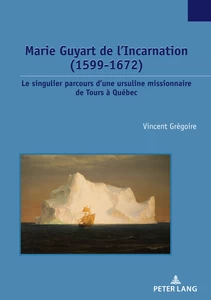
Marie Guyart de l’Incarnation (1599–1672)
Le singulier parcours d’une ursuline missionnaire de Tours à Québec©2022 Monographs -
-
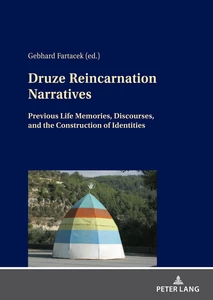
Druze Reincarnation Narratives
Previous Life Memories, Discourses, and the Construction of Identities©2021 Edited Collection -
Michel Henry: Incarnation, Barbarism and Belief
An Introduction to the Work of Michel Henry©2006 Monographs -
-
-
-
Imaginaire, perception, incarnation
Exercice phénoménologique à partir de Merleau-Ponty, Henry et Sartre©2012 Monographs -
-
Akzeptanz und Motivation
Empirische Ansätze zur Erforschung des unterrichtlichen Einsatzes von bilingualen und mehrsprachigen Modulen©2008 Postdoctoral Thesis -
-
St. Cyril of Alexandria's Metaphysics of the Incarnation
©2016 Monographs -
-
Joining New Congregations – Motives, Ways and Consequences
A Comparative Study of New Congregations in a Norwegian Folk Church Context and a Thai Minority Context©2014 Thesis -
Motivations- und systemtheoretische Konzepte
Eine motivations- und systemtheoretische Untersuchung mittels Textanalysen und Schaden-Nutzen-Matrix am Beispiel eines Vergleiches der touristischen Regionen Mallorca und Nationalpark Hohe Tauern©2001 Thesis -
Interkulturelle Motivation im Fremdsprachenunterricht
Eine komparative Studie zu Deutsch als Fremdsprache in Polen und den USA©2014 Monographs -
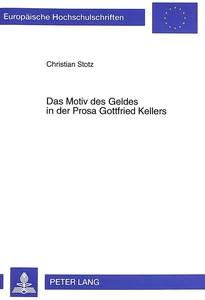
Das Motiv des Geldes in der Prosa Gottfried Kellers
©1998 Thesis -
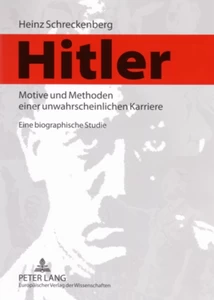
Hitler – Motive und Methoden einer unwahrscheinlichen Karriere
Eine biographische Studie©2006 Monographs -
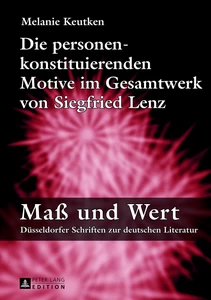
-
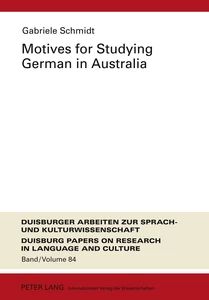
Motives for Studying German in Australia
Re-examining the Profile and Motivation of German Studies Students in Australian Universities©2012 Thesis