results
-
Inclusion and Teacher Education
Historically, inclusive education developed as a reaction to the exclusion of students of minoritized identity groups marked by race, language, sexual orientation, disability, etc. Our position in this series is that inclusion can and should be more. It can be understood as embracing and planning for difference, building relationships across difference, teaching and learning that acknowledges and supports difference while also minimizing the use of identity categories as the foundation for arguments about inclusion. In other words, the silos of educational discourse based on identity categories need to be broken down, little by little, to reconceptualize inclusion as just, compassionate, and creative ways of living, teaching, and learning in a complex and diverse world. Inclusive teaching depends on deeply respectful relationships between teachers, students, and community members. Books in the series must make clear connections between theory and practice. Both are necessary ingredients for inclusion. This series will help teacher educators prepare teachers to be knowledgeable and skillful in teaching all students, regardless of their differences. Historically, inclusive education developed as a reaction to the exclusion of students of minoritized identity groups marked by race, language, sexual orientation, disability, etc. Our position in this series is that inclusion can and should be more. It can be understood as embracing and planning for difference, building relationships across difference, teaching and learning that acknowledges and supports difference while also minimizing the use of identity categories as the foundation for arguments about inclusion. In other words, the silos of educational discourse based on identity categories need to be broken down, little by little, to reconceptualize inclusion as just, compassionate, and creative ways of living, teaching, and learning in a complex and diverse world. Inclusive teaching depends on deeply respectful relationships between teachers, students, and community members. Books in the series must make clear connections between theory and practice. Both are necessary ingredients for inclusion. This series will help teacher educators prepare teachers to be knowledgeable and skillful in teaching all students, regardless of their differences. Historically, inclusive education developed as a reaction to the exclusion of students of minoritized identity groups marked by race, language, sexual orientation, disability, etc. Our position in this series is that inclusion can and should be more. It can be understood as embracing and planning for difference, building relationships across difference, teaching and learning that acknowledges and supports difference while also minimizing the use of identity categories as the foundation for arguments about inclusion. In other words, the silos of educational discourse based on identity categories need to be broken down, little by little, to reconceptualize inclusion as just, compassionate, and creative ways of living, teaching, and learning in a complex and diverse world. Inclusive teaching depends on deeply respectful relationships between teachers, students, and community members. Books in the series must make clear connections between theory and practice. Both are necessary ingredients for inclusion. This series will help teacher educators prepare teachers to be knowledgeable and skillful in teaching all students, regardless of their differences.
7 publications
-
-

What a Coach Can Teach a Teacher
Lessons Urban Schools Can Learn from a Successful Sports Program©2010 Textbook -

-

Die deutschen Friedensnobelpreiskandidaten im Kaiserreich 1901–1918
©2017 Monographs -

-

-
-

-

-

-

-

-
-
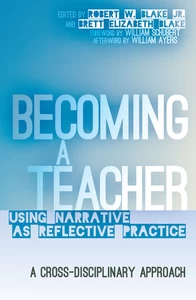
Becoming a Teacher
Using Narrative as Reflective Practice. A Cross-Disciplinary Approach©2012 Textbook -
-
-
-
-
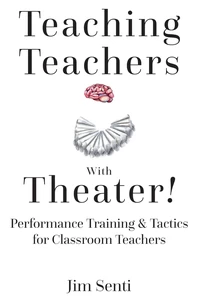
Teaching Teachers With Theater!
Performance Training & Tactics for Classroom Teachers©2018 Textbook -

-

Lillian de Lissa, Women Teachers and Teacher Education in the Twentieth Century
A Transnational HistoryMonographs -

Assault on Kids and Teachers
Countering Privatization, Deficit Ideologies and Standardization in U.S. Schools©2018 Textbook -
-
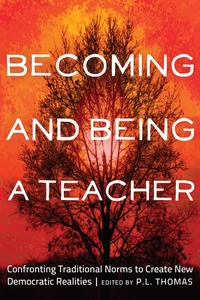
Becoming and Being a Teacher
Confronting Traditional Norms to Create New Democratic Realities©2013 Textbook