


 de
de  fr
fr 
by Laima Vincė, author of Vanished Lands: Memory and Postmemory in North American Lithuanian Diaspora Literature, and volume editor of Heritage, Connection, Writing: Conversations with North American Lithuanian Diaspora Writers
I live in a vanished land that reappeared on the world’s map only thirty-six years ago, when Lithuania reinstated its independence—an independence that was painfully lost in 1944, when Soviet Russia illegally occupied Lithuania and incorporated its borders into the Soviet Union, erasing its interwar history of independence and social and cultural progress, rendering its language secondary to Russian, which became the State language, and erasing its cultural memory. Voices that remembered the wounds of World War II, the Holocaust, the Siberian deportations, were silenced. The stories of those whose lives changed forever, and those who were vanished, went underground.
“How does one hold onto so much loss?”
The second Russian occupation came on the heels of a brutal four-year Nazi occupation that caused the murder of ninety-five percent of Lithuania’s prewar Jewish population. Before the Nazis arrived in June 1940 the Red Army and Soviet Russia quickly took control of the country and initiated the deportation of Lithuania’s intellectual and educated class—both Lithuanians and Litvaks (Lithuanian Jews who spoke a dialect of Yiddish called Litvish)—to work camps in Siberia.
Today, here in Lithuania, constantly, every day, we are reminded by the news, by social media, through threats, that Russia intends to vanish Lithuania yet again. These are not empty threats. Every day we hear about Russia’s nightly bombings of Ukraine, of Russian attacks on Ukrainian infrastructure and civilians. Russia is actively destroying and vanishing Ukraine through the ongoing war that Russia initiated in 2014 and which became a full-scale invasion in 2022. The politics of Russia are, and have been for centuries, to vanish the cultures of its neighbors. This is both our cultural memory inheritance and our daily reality.
How does one hold onto so much loss? How does one live with multiple layers of intergenerational historical and cultural and historical trauma? And how can one heal those old wounds when they are constantly torn open and exposed by the events of the present?
These are not strictly academic questions per se, but when writing about the bloodlands (Tymothy Snyder’s term and the title of his book about the Holocaust in this region) these are questions that constantly hover behind the research, the numbers, the history, the archives. For these reasons, my academic monographs, Vanished Lands: Memory and Postmemory in North American Lithuanian Diaspora Literature and Heritage, Connection, Writing: Conversations with North American Lithuanian Diaspora Writers are books about the past and the present all at once. They are books about the shadows, about what lives on in the unconscious behind the glimmer of the present. They are also books that try to make sense of what the future holds for the Baltics and Eastern Europe.
It is the exile, the émigré, the individual pushed out of their own historical, cultural, social, and familial context who must carry their inheritance with them and then make use of it to build a diaspora abroad, in exile. Or else, the exile must relinquish their cultural memory and consciously vanish into a new cultural context. Descendents then come back to pick up the shards and attempt to understand what they have lost through this erasure.
This is perhaps the reason why Baltic people cling to their cultural and linguistic identities with such tenacity. We encounter in Heritage, Connection, Writing, North American writers who write in English and continue to write about Lithuania or at the very least to weave Lithuanian fairy tales, names, and symbols into their work, even when their ancestors emigrated over a century ago. The question the books poses is: Why?
We live in an era of shifting borders, migration, uprootedness caused by on-going wars, climate change, political unrest, hunger and the hoarding of wealth and resources by a very small percentage of this planet’s population. That is why the story of what happened in one small country and how its diaspora carried that story forwards matters. We may apply this story to other nations’ stories. Their cultural inheritance in exile may just show us how the microcosm is contained within the macrocosm.
“It is the exile, […] pushed out of their own historical, cultural, social, and familial context who must carry their inheritance with them and then make use of it to build a diaspora abroad”
Since Lithuania’s period of national rebirth in the late 1980s and early 1990s, over a hundred works of literature in the genres of fiction, memoir, literary nonfiction, essays, poetry, and drama have been written in English by North American writers of Lithuanian heritage. They have been published by commercial and university presses in the United States and Canada, and yet thematically these literary works are preoccupied with collective trauma that has affected Lithuania. Topics range from the nineteenth-century efforts of Tsarist Russia to Russify the Lithuanian population, the Soviet Russian occupation (1940-1941, 1944-1991), the Nazi occupation and Holocaust in Lithuania (1941-1944), the postwar armed resistance in Lithuania, and the plight of the World War II displaced persons.
A life lived within two or more cultures and languages becomes second nature to those born into an ethnic diaspora. Children and grandchildren of refugees learn to hold two or three cultural perspectives in balance. They become the keepers of their parents’ lost nations, collective trauma, historical memory. They carry the burden of explaining what the elder generation has endured. They also inherit their parents and grandparents’ survivors’ guilt. They know the toll it takes on the psyche to balance two or more cultural identities.
I explore these themes in my book, Vanished Lands. My second book published with Peter Lang International Academic Publishers, Heritage, Connection, Writing, continues this conversation with writers who were born into or inherited the emotional space of exile. This book presents different perspectives on what it means to retain a Lithuanian or Litvak heritage while living in North America and writing in English. The oldest participant in this book is age 91 and the youngest 40. Within those 51 years lies a vast expanse of history and cultural identity, sometimes lost and later regained. With birth years spanning from 1933 to 1985, the voices presented in this book represent a cross-section of three generations. Memory and postmemory writing are important features in the work of many of these writers. The rite of return journey is key to many of the conversations in this book and is one of the major themes in literature produced by these writers.
Heritage, Connection, Writing is organized into three sections. Part I consists of conversations with writers whose ethnic Lithuanian ancestors immigrated to the United States and Canada during the first wave of migration from Lithuania that took place from 1868 to 1918. This migration was mostly economically motivated, although conscription into the Russian army was a major catalyst for emigration for both Litvak and Lithuanian men. Litvak emigration tended to be permanent, while Christian Lithuanian emigration tended to be cyclical, with family members returning with savings from their earnings to re-establish themselves in Lithuania.
The second section consists of conversations with the descendants of political refugees who fled Lithuania during the first and second Soviet Russian occupations (1940–1 and 1944–91) and is divided into two subsections. The first section features interviews with writers who were displaced out of Lithuania as children and those born in the displaced persons camps in the Allied territories of Germany after World War II. The second subsection focuses on second and third generation American and Canadian born writers who grew up for the most part within the cultural, social, and educative space of the Lithuanian diaspora community created by the displaced persons (D.P.s) after emigrating to the United States and Canada in the late 1940s and early 1950s.
Part III is comprised of conversations with three generations of American writers of Litvak heritage, all of whom have chosen to maintain cultural and social ties with the contemporary Republic of Lithuania.
“A life lived within two or more cultures and languages becomes second nature to those born into an ethnic diaspora”
Vanished Lands is about the past. I analyze memoirs that reflect on the historical trauma of the Holocaust in Lithuania during the Nazi occupation. I write about postmemory works of literary nonfiction by descendants of Lithuanian Nazi collaborators who reflect on inherited guilt and intergenerational trauma, about the collective trauma experienced by Lithuanians during the Soviet Russian occupation of Lithuania and the deportations to Siberia. I discuss literary works that reference the Lithuanian Anti-Soviet armed resistance, forced migration, and immigration to North America. Finally, I write about how post-traumatic growth expressed through the communal activities of society, education, and culture enabled Lithuanian displaced persons to construct a cultural memory diaspora.
Heritage, Connection, Writing is about the future. This is a book about the ways that contemporary transnational diaspora writers have integrated their experiences and research into their own unique visions of Lithuania that is expressed in their literary work. In its essence, it is a book of conversations between descendants and ancestors. The Lithuanian word for ancestors is protėviai—elders who came before. The word for homeland is tėvynė—the land where the elders reside. Etymologically, the concepts of homeland and ancestors are linked through language. This connection is deeply embedded in the Lithuanian psyche and continues even in the diaspora. Ultimately, both books are about hope for a shared future that holds the lessons of the past in balance.
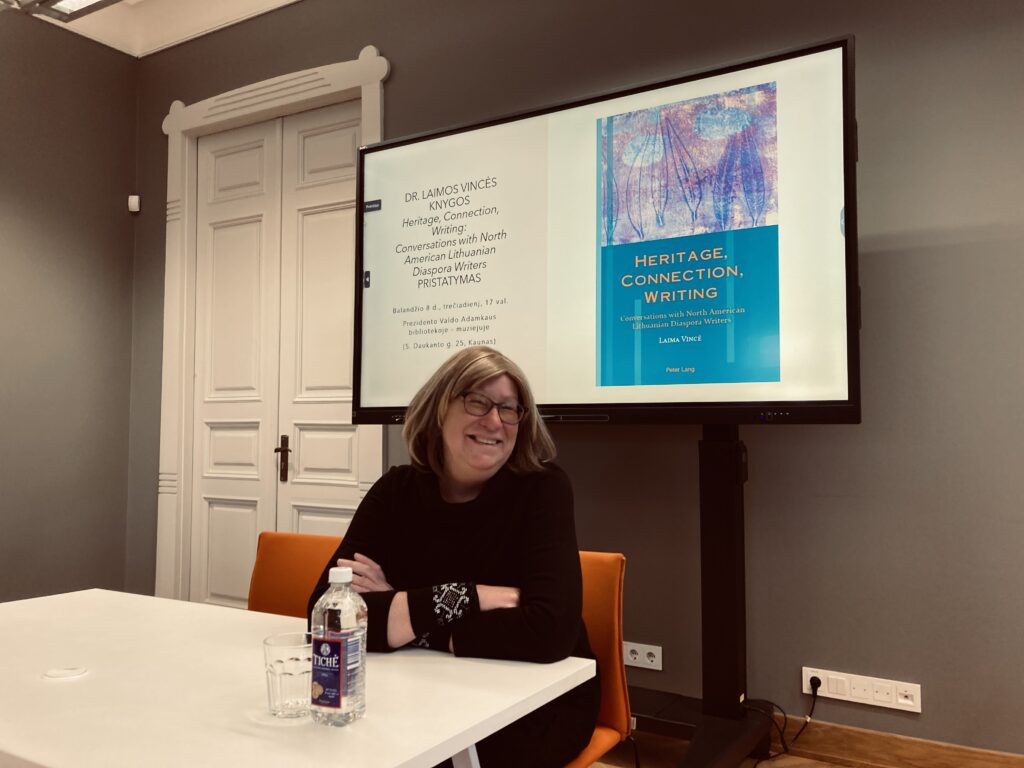
Use code LV15 at checkout to receive a 15% discount on Vanished Lands and Heritage, Connection, Writing, or contact orders@peterlang.com to order directly. Valid from 18 May – 15 June 2026. Not applicable in countries with fixed book pricing.

by Graeme D. Eddie, author of Sweden’s Pandemic Story: COVID-19, A Chronology 2020–23. Foolhardy, Exceptional, or Just Principled?
In Spring 2020, pandemic year, many media eyes were on Sweden. Narrated to the rest of Europe was the story of no lockdown, no mask-wearing, children still at school, young people lounging about in cafes and parks, and a working economy instead of one closed down. Harshly critical politicians and scientists in other countries warned of such an unorthodox response to such a cruel virus.
As we watched the Swedish Coronavirus drama unfold, we noted the principal characters —the state epidemiologist, the director of the public health agency, the prime minister, and the health and finance ministers. It was not immediately apparent though, that other prominent actors in the drama would turn out to be Swedish and Danish mink (read the book!) and the proud and confident fixed link structure joining Sweden with Denmark.
History of the Bridge
Opened in 2000, and spanning the Sound, or Öresund — the narrow channel joining an arm of the North Sea to the Baltic Sea — separating Sweden and Denmark, the Öresund Bridge had become an iconic symbol of Nordic co-operation and engineering innovation1. Institutionally, structurally, and then physically after the opening of the bridge-tunnel fixed link, Sweden was connected to Europe and fellow member-states of the EU, which it had joined in 1995.
The fixed link represented a compromise between bridge and tunnel preferences, transitioning from a cable-stay bridge to an underwater tunnel, and creating a tangible, unified link for road and rail travel, trade, and culture. Indeed, the bridge had starred alongside Sofia Helin (playing Saga Norén, a Swedish police investigator with Asperger Syndrome) in the acclaimed Nordic crime drama, The Bridge, running 2011–18, and broadcast all over the world.
In June 2000 and every summer between 2002 and 2006, and again in 2010 and 2025, the Danish capital Copenhagen, the Öresund Bridge, and the Swedish city of Malmö had co-hosted Broloppet Half Marathon (The Bridge Run). Although only an occasional sporting event, the 2000 run was still listed among the top ten races in the world based on the number of participants and finishers.
In the first couple of years of its life, total traffic2 across the bridge, including commuter-, leisure-, business traffic, and freight (motorcycles, cars, cars with trailers, busses, trucks and vans) amounted to 1.6 million (2000) and 2.9 million (2001). By 2006, bridge traffic had reached 5.7 million, and revenue was perhaps too lucrative, and the structure too busy, to slow right down for an athletic event lasting much of the day. In 2010, traffic was 7 million, and in 2019 it had reached 7.4 million. And then in 2020, Covid-19 arrived in Sweden.
A Pandemic Story
In autumn 2019, reports came to the Swedish Foreign Ministry of a novel coronavirus outbreak that had gripped the Hubei Province of China. Into 2020, the outbreak would become a global pandemic, as Covid-19 swept the globe and arrived in Sweden, bringing the first confirmed case to the city of Jönköping, in late-January. On 11 March, the day that the WHO declared the outbreak to be a global pandemic, Sweden’s first recorded death from Covid-19 occurred at the Karolinska University Hospital in Huddinge, Stockholm. The victim had been over 70 years old with underlying health problems. By mid-March, and with agreement at EU level, non-essential travel into Sweden was banned from all countries except those in the EEA and Switzerland to mitigate the effects of the outbreak and to reduce the spread of the disease. From 14 March 2020, when stricter rules for entry into Denmark had been imposed, the Öresund Bridge had been partially closed, 20 years since its formal opening to traffic. By the end of–March, the EU was in lockdown, though in Sweden less so.
Widely reported on at the time had been Sweden’s unique approach to tackling Covid-19. It had often been described as an ‘experiment’ and ‘maverick’ and had been met with both harsh criticism and some admiration, both at home and abroad. The approach had been described by scientists, politicians, and journalists alike, as risky, brave, and sometimes foolhardy. Sweden was an ‘outrider’, an ‘outlier’. The criticism and admiration – a fascination in a way – had been particularly focussed on the decision to keep nurseries and primary schools open, a lack of national lockdown, and no mask-wearing. As the months had passed however, and into the second year of the pandemic, it came to be realized that while Sweden had suffered many more deaths than its Nordic neighbours, particularly among the elderly in care homes, there had been substantially fewer Swedish deaths overall than in other EU members states of comparable size — in Czechia, Greece, Hungary, and Portugal for example.
But no matter, in the months of the pandemic, after EU member states had adopted a ‘traffic-light’ system to limit the spread of Covid-19 and to maintain free movement within the bloc under safe conditions, and as neighbouring countries began to put in place more relaxed travel measures, Sweden found itself kept out of these. The concentration of Covid-19 in Sweden prevented it from being included. Those wishing to travel to Denmark from Sweden say, had to have a valid reason for doing so, such as living or working there, delivering vital goods, or holding Danish citizenship.
Coronavirus and the devastation in its wake had abruptly closed European borders with the travel restrictions put in place ending ‘free movement of people’, a central pillar of the EU Treaty. The European route E20 via the Öresund Bridge and through Sweden was one of the main road traffic routes from Copenhagen to Helsinki, Finland, and while the bridge had remained open to freight traffic in either direction, as well as to private vehicular travel to Sweden, there were stricter rules for travel into Denmark from Sweden.
As for the Öresund Bridge, in May 2020, the total traffic — motorcycles, cars, vans, and coaches — had been 292,806. This compared with 650,211 in May 2019. As part of travel and free movement under safe conditions, and on a bridge with much less traffic than in a ‘normal’ year, checks still had to be carried out, and queues soon built up. That May, when a six-kilometre-long line of Danish traffic built up, returning from Sweden after the weekend holiday marking Ascension Day (Kristi himmelsfärdsdag), resentment had been fuelled in Sweden over Danes being able to travel freely into the country, while they were barred from travelling to Denmark without good reason. It would not be until August 2020 before Swedes found themselves being included in what had become known as ‘travel bubbles’.
A Recovery
Well into 2021, following 18 months of disruption and to encourage renewed travel between Sweden and Denmark, the commercial operator of the Öresund Bridge (registered as Øresundsbro Konsortiet) announced the launch of a 3-month discount offer to kickstart use of the bridge again and re-invigorate the Öresund Region concept. This international region, composed of Sweden’s third city of Malmö and the Danish capital Copenhagen, and their regional hinterlands, was supposed to have been a common metropolitan area, but it had undergone division during the pandemic. The hospitality industry had been hit especially hard. The number of overnight stays on either side of the Sound had crashed to a record low during the first half of 2021. In Region Skåne, Sweden’s most southerly, overnight stays in guest or tourist accommodation had decreased by 81 per cent compared with the first half of 2019. In the Capital Region of Denmark and Region Zealand, overnight stays of guests and tourists from Sweden had decreased by 91 per cent.
The launch of a ‘Buy one journey, get one free’ offer available between 1 September and 30 November 2021 was an attempt by the bridge consortium to inject greater optimism and to encourage increased travel on both sides of the Sound. Travellers using the bridge were offered favourable discounts in hotels across the Öresund Region.
Cross-border cooperation to match Danish jobs to Swedish jobseekers, and vice versa, had also gotten underway again by the autumn. One initiative was a collaboration between the Capital Region of Denmark, Malmö and Copenhagen municipalities, the Danish Chamber of Commerce (Dansk Ehrverv), and the Swedish Public Employment Service, aimed at solving a post-pandemic labour crisis on both sides of the Öresund and to fill 53,500 Danish private sector vacancies with 65,000 unemployed people in Skåne. The hotel and restaurant industries on both sides of the cross-border region had been struggling to fill vacancies, with several hotels keeping rooms closed because they had not been able to find staff.
After the 2- to 3-year pandemic blip, the notion of a common metropolitan area of greater Malmö and greater Copenhagen — the Öresund Region concept — would return. While in 2020 and 2021, bridge traffic had dipped to 4.6 million and 4.8 million respectively, back to 2004 levels basically, and affecting revenue and profits, by 2022 traffic had grown to 6.7 million, in 2023 it was 7.2 million, and in 2024 it had reached 7.5 million — back to pre-Covid 19 levels. The region was moving again.
Pandemic closures and reduced traffic had indeed been ‘but a blip’, and the Öresund Region was now recognized as the largest labour market in the Nordic region with a population of 4.2 million, though Malmö was perhaps more of an observer to Copenhagen’s success, being a capital city after all, to Malmö’s third city status in Sweden. Celebrating the 25th anniversary of the opening of the fixed link, another Broloppet Half Marathon was held in June 2025 with 40,000 participants, the first man over the line with quickest time being Daniel Nilsson from Sweden, and the first woman was Sarah Bruun from Denmark — local successes from both countries.
About the parts played by Swedish and Danish mink in this Nordic coronavirus drama, and to discover more, read Sweden’s Pandemic Story: COVID-19, A Chronology 2020–23. Foolhardy, Exceptional, or Just Principled?
1 The construction of the Øresund Bridge was a joint project undertaken by Denmark and Sweden, and the completed bridge is owned and operated by Øresundsbro Konsortiet, jointly owned by the Danish and Swedish states. The formal name of the bridge is Øresundsbron, a Scandinavian ‘hybrid word’ merging the Danish rendering of Øresundsbroen with the Swedish Öresundsbron.
2 Traffic statistics throughout the article are taken from ‘Traffic Statistics’ on the Øresundsbron website: https://www.oresundsbron.com/about-oresundsbron/statistik-och-rapporter/traffic-statistics
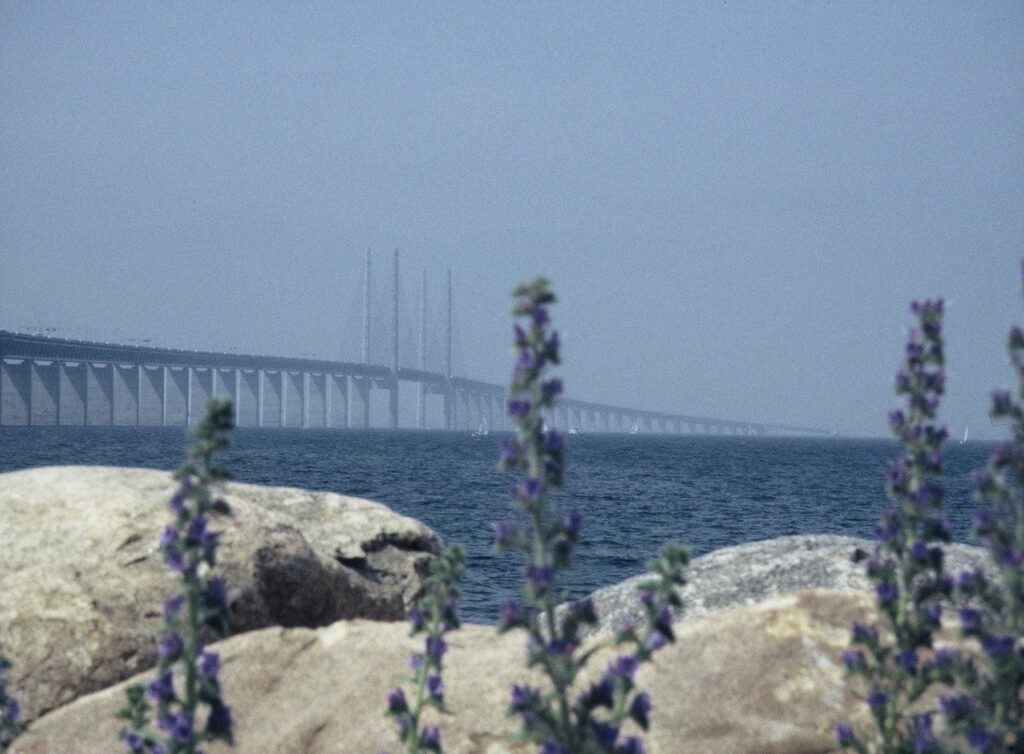
View of the Öresund Bridge from the Swedish abutment. Captured by Graeme D. Eddie.
Inspired by BBC Radio’s “Desert Island Discs,” the Peter Lang Group presents ‘Peak Reads & Playlists’.
Join us on a journey to the mountain peaks near our Lausanne headquarters where we speak with our esteemed series editors.
In this interview format, our guests share the books, music, and food that would keep them company if they were whisked away alone to this beautiful mountain setting. They’ll explore the reasons behind their choices, revealing the influence each has had on their lives. Get a glimpse into the hearts and minds of the Peter Lang community.
Name: Dr. Irene Maria F. Blayer
Job Title: Full Professor
Series: Interdisciplinary Studies in Diasporas
Books
> Tell us, which fiction and/or non-fiction books would be on your list?
I will weave the question through three books that have quietly, yet decisively, left an indelible mark: the inner weather of a solitary self in Pessoa’s Book of Disquiet; the drift and disorientation of an uprooted circle in Hemingway’s The Sun Also Rises; and the urban chorus that hums through Cela’s The Hive. Together, they open conversations about belonging, language, everyday labour, and the inventive forms literature forges to hold a fractured modern society. These readings bind inner life to the social fabric and treat form as an ethical choice, aligning with my ongoing preoccupation with home and diasporic belonging.
Fernando Pessoa, Livro do Desassossego (The Book of Disquiet), a masterclass in voice and self-division that sharpens attention to tone, aphorism, and the porous border between author and persona, asking what ‘home’ means when identity is multiple. Ernest Hemingway, The Sun Also Rises., a landmark portrait of the “Lost Generation,” where communal drift, ritual and claims of authenticity collide with modern decadence, unrequited love, desire, exile and aimlessness; a counterpoint to Pessoa’s inward gaze. Camilo José Cela, La colmena (The Hive), a mosaic of micro-scenes that builds a collective self-portrait; contingency―who meets whom, where, and when― powers meaning, and fragmentation mirrors a society frayed yet interdependent.
Music
> The mountain ranges have spectacular acoustics. Which 5 MUSICAL RECORDINGS would you take to enjoy whilst up on the summit and why?
It is never easy to confine a lifetime of listening to a few tracks, but given the space and the opportunity, I would let Pressler’s Chopin Nocturne and Pires’s Clair de lune hush the dawn, then open the day with Vivaldi’s Four Seasons and Grieg’s Peer Gynt in bright, wind-swept colour. As shadows lengthen, Miles Davis’s Blue in Green invites quiet reflection, before Aznavour’s La bohème warms the twilight with memory and longing. Finally, Louis Armstrong’s What a Wonderful World sends us down the mountain with a simple, grateful blessing.
Food
> We couldn’t let our community feed their souls but not their bodies, so which FOOD DISH would you choose to take with you on the mountain retreat?
Some chocolate would suffice, my enduring favourite, inviting slow savouring; nothing that competes, only complements.
Thank you to Dr Irene Maria F. Blayer for joining us up the mountain!
Discover the series here – Interdisciplinary Studies in Diasporas
Inspired by BBC Radio’s “Desert Island Discs,” the Peter Lang Group presents ‘Peak Reads & Playlists’.
Join us on a journey to the mountain peaks near our Lausanne headquarters where we speak with our esteemed series editors.
In this interview format, our guests share the books, music, and food that would keep them company if they were whisked away alone to this beautiful mountain setting. They’ll explore the reasons behind their choices, revealing the influence each has had on their lives. Get a glimpse into the hearts and minds of the Peter Lang community.
Name: Dr Valentina Bold
Job Title: Series Editor
Series: Studies in the History and Culture of Scotland
Books
> Which FICTION title would take the coveted first spot on your list?
James Hogg, The Private Memoirs and Confessions of a Justified Sinner (1824) is the one fiction title that surprises me on each reading. It is original and startlingly innovative: as relevant today as it was when it was written. The narrators are unreliable and might be insane; characters might not exist (hardly any are likeable); religious values are distorted and destructive. Justified Sinner is set in a world where the natural and supernatural are a shifting continuum, where present and past co-exist. No one can be trusted, least of all the author.
> If you were offered the chance to take a NON-FICTION title, which would you choose?
Jen Stout’s Night Train to Odesa (2024) gripped me from the first page to the last. It is a personal, direct and heartfelt account of conflict and its impact, particularly on women. Through a journalist’s clear vision, this is perceptive, insightful, compassionate writing, from a Shetlander’s perspective, focussed on Ukraine.
> We’re feeling generous so we’ll allow you one more book, your choice of FICTION or NON-FICTION – which one makes the list?
This one has to be poetry: to feed the soul as well as the mind. I would like the ‘O Choille gu Bearradh / From Wood to Ridge’, the Collected Poems of Somhairle MacGill-Eain / Sorley MacLean (1911 – 1996) edited by Christopher Whyte. There is a wealth of experience here that goes beyond the personal, into the political, natural and imaginative, from the Gàidhealtachd into Europe, with consummate ease, anchored in tradition, exploring with imagination and grace.
Music
> The mountain ranges have spectacular acoustics. Which 5 MUSICAL RECORDINGS would you take to enjoy whilst up on the summit and why?
- The McCalmans, ‘The Ettrick Shepherd’
Beautiful settings of James Hogg’s poetry and songs: varied, haunting and entertaining.
2. Sheena Wellington, ‘Hamely Fare’
Great selection of Scottish tradition from one of our finest, and most influential, singers: powerful, important and compassionate.
3. Karine Polwart, ‘This is Karine Polwart’
Fifty songs from a wonderful singer, which would help me remember Scotland in all its diverse moods.
4. Emily Smith, ‘This is Emily Smith’
All three women singers in my list are song-writers as well as outstanding performers; this selection is remarkable for its stylistic range as well as Smith’s superb delivery.
5. Nicola Benedetti, ‘This is Nicola Benedetti’
For when I need instrumental space to contemplate, and to celebrate, there would be nothing better than violinist extraordinaire, in this wide-ranging collection.
Food
> We couldn’t let our community feed their souls but not their bodies, so which FOOD DISH would you choose to take with you on the mountain retreat?
Sweet soul food by choice: shortbread, following a traditional recipe such as these.
Thank you to Dr Valentina Bold for joining us up the mountain!
Discover the series here – Studies in the History and Culture of Scotland
One of the most profound moments for an academic publisher is when we lose one of our authors. Their work is a lasting legacy, a reminder of the career and passion they dedicated their lives to. For us, as their publishers, we become the caretakers of that legacy.
This responsibility becomes even more significant when a project is still in production. Fortunately, we often have the honour of working with the author’s family or co-authors to ensure their work continues to reach the global research community.
This is the case with a forthcoming trio of titles: Hope and Despair, Wounded Nostalgia, and The Madness That Is Also in Us—English translations of works by the renowned psychiatrist Eugenio Borgna.
Eugenio Borgna, who passed away the 4th of December 2024, aged 94, was the most prominent Italian psychiatrist of his time. His works have made mental illness comprehensible to the readership and removed the boundaries created by misconception and fear. In his writing he makes acceptable what the society instinctively rejected as different and dangerous. His written work is a complement to Franco Basaglia’s psychiatric revolution.
We are proud to be able to publish these translated texts and continue to raise awareness of Eugenio Borgna’s work and the difference he made in making mental illness better understood.
Each title will feature a preface and we share a small snippet of these here.
“I write as an editor for the publishing house that is bringing Borgna into English for the first time, with a trilogy composed of Hope and Despair, Wounded Nostalgia, and The Madness That Is Also in Us. Again here, one need only glance at the titles to grasp the author’s aims: as a phenomenologist, opposed to any form of biological reductionism of psychiatric disorders and backed by direct clinical experience, the intention is to make madness understandable, acceptable, “normalize” it, in today’s parlance, by demonstrating readers its proximity to us all.”
Ilaria de Seta
“Of Eugenio Borgna, we appreciate his objectivity and composure, the measure that gives his texts, never caustic or brutal, the hushed tone of quiet reflection. Yet this moderation conceals a great radicalism. If there is such a thing as an intimately relational psychiatry, based on listening, “humanistic” and anti-authoritarian, this is precisely the psychiatry to associate with Borgna”.
Michele Dantini
“Eugenio Borgna is, equally with Franco Basaglia, the most important Italian psychiatrist. If Basaglia gave psychiatric patients back their freedom (with his reform that led to the passage of Law 180 in Italy in 1978), Borgna gave psychiatry back its soul.”
Stefano Redaelli
Disclaimer: The views and opinions below are the authors own, based on their own academic research and study, and are not representative of the Peter Lang Group
When we began compiling Confronting Toxic Rhetoric in early 2023, we imagined it as a way to support writing teachers who were teaching argument, evidence, and rhetorical ethos in a time when many were still reeling from four years of Trump-era post-truth and fake news. Perhaps naively, we did not consider that the book would hit the shelves the very month that Trump would be re-elected back into the oval office, and that we would be marketing it as we witness, arguably, some of the most inflammatory rhetoric and behavior our country has ever known: Elon Musk performing the nazi salute on television, Trump’s executive orders against trans and non-binary people (referring to “transgender insanity,” nbc news), immigrants being taken from their homes by ICE (referring to murderers, rapists, burglars, and criminals, abc news), and measures toward diversity, equity, and inclusion eliminated. The ways that people are being hurt by his words and actions are practically endless. The toxic rhetoric used by the new presidential administration seems to have only one purpose: to incite chaos, anger, fear, division, and violence not only in America, but abroad, as Trump attempts to make claims on land and instigate feuds in Canada, Greenland, Ukraine, Mexico, the Middle East, and elsewhere.
This continual onslaught of “toxic rhetoric,” described by John Duffy as “a discourse of denial—denial of science, of diversity, of democracy, of change, of the commitment to equality and individual freedom” (p. xii), is what makes Confronting Toxic Rhetoric timelier than we even realized as we began assembling the book only two years ago. Toxic rhetoric is gaining strength and permission not only to exist, but also to be spread widely and even exalted. Is toxic rhetoric accepted as a norm? Back, say, in 2017, we were horrified and shocked by the permissiveness granted to the vocal and visual instigators of the Charlottesville Unite the Right riot. Was our nation perhaps less shocked when a shooter entered a synagogue a year later and murdered 11 innocent people praying there? Had we already completely embraced toxic rhetoric in 2022 when 10 Black men and women were shot to death in a Buffalo grocery store?
These incidents all have one thing in common: they were incited or supported by toxic rhetoric used specifically by Donald Trump. In the case of Charlottesville, it was written many times in many places that “President Trump … gave the white supremacists cover to come out of the shadows” (Time, see also ABC News, AP for more examples). The shooter of the victims at Tree of Life Synagogue was an active member of Gab, a social media site where “users could freely traffic in the basest kinds of hate speech” and find a “a rebranding of traditional white nationalism by a new generation of believers that emerged online around 2014 and came to prominence by attaching itself to Donald Trump’s 2016 presidential campaign” (SPLC). The Buffalo grocery store attacker had written a manifesto outlining his belief in the Great Replacement Theory, which “asserts that there is a plan to bring nonwhite people to Western countries to replace whites” (Economist). Trump used this same toxic rhetoric of replacement theory when claiming that migrants were brought into the U.S. to vote for Biden in the 2020 election, thus illegally handing Biden the presidency (NPR).
All of these attacks, and many more like them, were motivated by racism, antisemitism, and white supremacy; we are seeing and hearing the toxic rhetoric of the great replacement theory and white nationalist conspiracy theories everywhere. And so are our students. On college campuses across the U.S., we see students engaging in protest, oftentimes themselves using toxic rhetoric even if they don’t always understand the meaning behind what they’re saying (see, for example, a survey of UC Berkeley students, which showed that 46% of student protestors who chanted “From the River to the Sea” did not know the names or locations of neither “the river” nor “the sea,” nor what lies between, Newsweek). But on many campuses, students are silent: silent about the presidential election, about recent executive orders that might even harm them or their families, about atrocities across the world.
What can we, educators, do about this constant exposure to toxic words and behaviors? Many people are taking news or social media “fasts,” that is, trying to avoid that which might harm them. Or they’re focusing their energies on activism: making calls to government officials and volunteering to support those whose rights are being challenged. But we don’t always know what our students are doing, or how they’re reacting to, or worse, absorbing and then replicating the toxic rhetoric onslaught. As Jamie says so eloquently in Chapter 1 of Confronting Toxic Rhetoric, as teachers, we can help students “to entertain multiple sides of arguments, discuss difficult topics, and disagree with each other respectfully […to] help solve some of our nation’s complex problems. Over time and with iteration, our work could engender a groundswell that could lead to meaningful and lasting change in American discourse, politics, and culture” (pg). Teaching students to engage in respectful discourse is no longer something we can do; it is something we must do.
Thus, we highlight two strategies from our collection for use in writing classrooms to support and encourage students as they navigate, disrupt, and confront toxic rhetoric. We learned these from teacher contributors to Confronting Toxic Rhetoric, where you can read more deeply about these strategies and several others.
One: Intervention through Public Memory
Whitney Jordan Adams teaches at Berry College, two hours from Atlanta, GA, and only a few miles from Stone Mountain, a current day campground that is also “the site of a Confederate memorial to Stonewall Jackson, Robert E. Lee, and Jefferson Davis. It is the site of the establishment of the Ku Klux Klan’s (KKK) Second Empire in 1915” (p. 24). For Berry, teaching students to examine the toxic rhetoric around Stone Mountain is an imperative that “provides college students a framework to consider how public memory, and specifically monuments, can be exclusionary or inclusionary” (p. 24). Students in Adams’ class learn about “heritage,” “tourism reset,” and how one “rendition” of public memory “might take precedence and wipe out others (p. 33). Students read public documents and learn about how larger national stories are crafted as related to monuments such as Stone Mountain. Many students in Adams’ class come to see Stone Mountain from a new angle, which can be challenging for those students who knew it as “an innocuous place for hiking and family fun” (p. 33) or those whose family values have taught them to align with confederate world views (p. 32). Adams cites Wheatley, who would refer to this challenge as a “positive disturbance” (p. 34), and she explains that this is the purpose of the course – for students’ views to be ruptured so that nuance can be allowed in. At the end of her chapter, Adams asks educators to “continue to provide opportunities for students to consider the historical sites around them and explore the situated and complex nature and histories of those sites, their origin stories, whom they include and exclude, and how those who take advantage of their beauty and location participate or resist in cultural oppression, structural perversion, or white supremacy” (p. 34). Because these sites are everywhere, and because they are challenged and contested on a national stage and in classrooms (see, for instance, Utah public schools, where nazi and confederate flags are allowed to be displayed “in accordance with curriculum,” Salt Lake Tribune), students are learning a valuable skill in Adams’ class that they can take with them anywhere: how to participate in conversations about history and its often toxic artifacts.
Two: Unveiling Media Motivation
When Sarah Lonelodge was a PhD student at Oklahoma State University in spring of 2020, she had the opportunity to develop an advanced composition course “focused on politically charged communication” that helped students “participate meaningfully and thoughtfully in public discourses in ways that might resist and counteract the damage done by toxic rhetoric” (p. 102). Early that spring, several events occurred right on top of each other – the Australian brush fires, the beginning of the Covid-19 pandemic, the death of Kobe Bryant and his young daughter, and the Trump impeachment trial and subsequent acquittal. As Lonelodge describes it, “my students and I could feel a shift – there was a dread hovering over us. I could see it as they scrolled through their phones before class began” (p. 103). The moment could not have been more kairotic for a course on public discourse, but Lonelodge wanted her course to be more than writing about social change. She wanted her students to engage as citizens (p. 104). For example, as the Covid-19 pandemic unfolded (before it was officially a pandemic), students learned about propaganda and how it works. They created multimodal projects – podcasts, presentations, narrated slides – where they learned to provide evidence to demonstrate types of propaganda and persuasion related to topics of their choosing. Lonelodge explains, “the multimodal nature of the project offered a significant amount of creativity and creative thinking from students as they explored the use of screenshots, embedded video, and other composing options,” (p. 109). Learning to compose multimodally is surely a productive outcome, yet we believe the most useful strategy Lonelodge employed in helping students counter toxic rhetoric was teaching them to analyze current events as found on the daily in the media and to understand how that media works to persuade, sometimes in toxic ways; the students developed and used a heuristic for determining if a text was persuasion or propaganda. Now they are now practiced in “identifying, analyzing, and responding to demagoguery, propaganda, and misinformation through various media,” (pg. 108) and as Lonelodge says, they have learned to respond “in real time.”
Finally,in the conclusion to Confronting Toxic Rhetoric, Rachel Ketai writes a letter to John Duffy in which she says, “I came to the field of rhetoric and composition to promote equity and access in education. I should have expected that this path would confront me with disagreements and controversy. Change in any direction requires conflict, and in 2023, that can look like an unfollow on social media or a piñata beating on campus” (p 218). In terms of disagreements and controversy, things have not gotten much better in 2025; in fact, they may be worse. But Ketai pushes forward, and we hope you will, too. She continues, “What my students and I need is not to avoid or scrub out the lines of difference that separate us from those we disagree with. We need to practice reading and writing and listening and speaking across those lines of difference in ways that will build better conversations and communities” (page 218). We hope you also find those practices that help you and your students toward better conversations and communities among the pages of Confronting Toxic Rhetoric.
Find the book here: https://www.peterlang.com/document/1446367
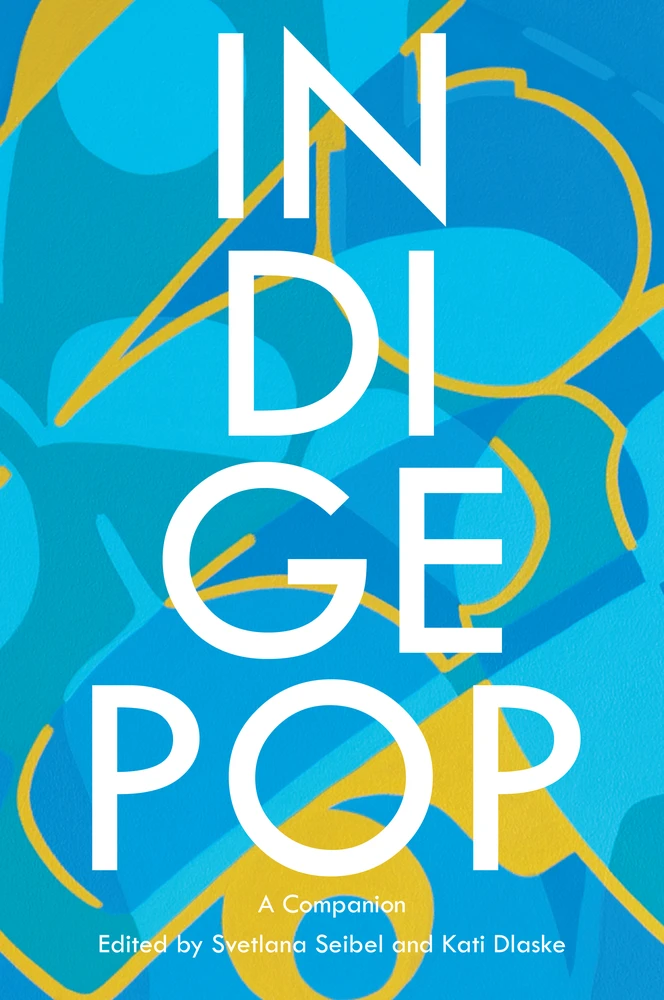
Having fun is a serious business. IndigePop: A Companion, an edited collection published in December 2024 by Peter Lang, makes this point as it explores the dynamic and multifaceted field of contemporary Indigenous popular culture. Indigenous popular culture celebrates the Indigenous popular and Indigenous nerdy creativity in all their manifestations, gaining increasing momentum since the turn of the twenty-first century. The contributions in the book offer a range of perspectives on the Indigenous popular by scholars, artists and practitioners who work with and in the field of Indigenous popular culture in various capacities, from different standpoints, and in a range of geopolitical contexts. The origins of the book go back to the Indigenous Comic Con 2, which took place in Albuquerque, New Mexico, in November 2017, and which we had the privilege of attending. There we had a chance to speak to participants and organizers, who generously shared their perspectives on the event and on Indigenous popular culture with us. These conversations and experiences inform the book in many significant ways.
Popular culture moves fast. As we were working on the book, Indigenous popular culture continued its dynamic expansion, going from strength to strength. Dr. Lee Francis 4 (Pueblo of Laguna), the founder of the Indigenous Comic Con and the Executive Director of Native Realities who contributed to IndigePop in more ways than one, is at the center of many of the initiatives in the field, both old and new. We had a chance to interview him at the Indigenous Comic Con back in 2017, and we were delighted and honored when he agreed to speak to us about the state of the art of Indigenous popular culture on the threshold of 2025. His remarks give insights into the latest developments and milestones of Indigenous popular culture, and also situate the book in its larger context.

Interview with Dr. Lee Francis 4
12 December 2024, Zoom
*The interview is slightly edited for clarity and readability.
SVETLANA
During our interview back then [in 2017] we asked you about the development of Indigenous pop culture at the time, and where it was at the time. Seven years have passed now – almost exactly, it was November – so, which significant trends and developments have taken place since, in your view? What is the current status of Indigenous pop culture?
LEE
Yeah. When we got started… And I mean, we gotta go back a little bit too, because when I first started working with comics that was 2012, and there was this sort of emerging… There were some folks that were working on things, but really not a lot – there was this small group, the Indigenous Narratives Collective, there was Arigon Starr’s work and John Proudstar and the initial folks that we were working with. And really all the way for that first four years, up until about 2016 when we launched the first Comic Con, there wasn’t… you know, there were people that were really sort of scattered, doing small things. And I think what that first event did was really put a lot of names into the public sphere. And so, what we’ve seen in these last seven years, from 2017 on, is really this explosion of Indigenous pop culture creativity. So you see a lot of folks that have been a part of the comic cons – the IPX and Indigenous Comic Con moving forward – you’ve seen a lot of them just taking off on the work that they have, the collaborations that they’ve contributed to, a lot of the folks that were a part of those initial comic book works that we did, we’re seeing a lot of their work now into the mainstream. You know, just in that time period we’ve seen the rise of a lot more Native television, a lot more Native cinema – so, Prey came out on Hulu; you saw Reservation Dogs, of course, and the work that they did with that; you see the Marvel stuff, you see Echo and you see Kahhori from the What If…? series getting her own comic now. So, you’re seeing a lot of these developments that weren’t really present seven years ago, so I think, really, the biggest impact that we had was putting all of that work front and center and really allowing people to find those people online. I still get folks, but definitely within those three initial years people were contacting us, being like, “Who are your guests? Who are your vendors? We wanna find more artists,” with people coming out to interview and put together projects based on the people that we were working with and collaborating with. So, I think that’s really what we’ve seen, is just this explosion of talent. And now you have all these kids’ books that are out, and you still have more mass media that’s come out – they did the Marvel Indigenous Voices [in 2020], and they’re still releasing pieces of that, those are all people that were really a part of the first inception of this, first couple of years.
SVETLANA
And when you look at all these developments, are there any milestones that you think were particularly influential?
LEE
Yeah, the release of Reservation Dogs – that was, like, three years ago, four years ago – I think that was hugely influential. I think the Marvel Indigenous Voices was hugely influential. So, I think those two were really putting folks into these mainstream conversations and pop culture conversations. I mean, Sterlin Harjo won the McArthur Fellowship within this last year. So, that is what we’re seeing. And then you see the cartoons and the kids’ stuff that’s come out, and Spirit Rangers was another milestone, so you have a kids’ cartoon on Netflix. So I think those are these big moments, but I even think just… obviously, continuing on with the Comic Con, with Pop Culture X, the stuff that we’ve done, now we’re seeing more of those – so, SkasdiCon in Oklahoma, Cherokee Nation; the áyA Con in Denver; these other Native-centered, Native-specific conventions where people are, like, yeah, we still want people to come together, we still wanna have these moments where we can do this kind of work and these collaborative, amazing creative spaces. I think those are still a lot of the great milestones that we’ve had.
SVETLANA
Yeah. I guess the first Comic Con remains this watershed moment for Indigenous pop culture, right?
LEE
Yeah. Yeah. I think 2016 really set a lot of things in motion. And looking back on it, in building careers, connecting up with folks, I think that really… it was so unique, it’s something that I feel was so needed, and continues to be needed, that I was just… I’m always stoked to have founded it and been influential in continuing its success.
SVETLANA
So, it did impact – and change, you could say, also – Indigenous pop culture, right?
LEE
I absolutely believe it did, yeah. I mean, you’ll have to check in with other folks, but for me I think there is a definite change from this moment.
KATI
You talked about this a little bit already, but if you look at the bigger picture, so how do you think, or do you think that the Indigenous Comic Con has had an impact or influence on the popular culture at large?
LEE
I think it gave Native folks, Indigenous folks a space to be able to showcase their talent, and in a different way that wasn’t tied to previous notions of what is Indigenous art. And I still think that that’s the impact. The impact is allowing Native creatives permission, you know – because they know there is a space where they’re gonna be welcomed for doing things that are avant-garde, for doing things that are not conforming to what the Americanized ideal of… the American mythology of Native art, Native identity is supposed to look like. So, you still have cosplay, you still have comic books, you still have these reappropriations of mainstream – or Indiginizations of mainstream pop culture things that Native folks are still grabbing onto and claiming as their own. So, I think it’s still really about the creatives, and I think that that’s the part that has been the longest lasting impact.
KATI
If you think, then, a little bit the other way around, do you think Indigenous representation in mainstream popular culture is improving?
LEE
I think… yeah, slowly, very slowly. You know, when I talk about this, I’m, like, this is four hundred years of Natives in pop culture, and I continue to write about this, this liminal space that Native folks occupy – you still see it. I mean, every year we have to put out, you know, please don’t dress up for Halloween, Natives are not a costume. So, there’s not been this overnight shift, but you’re seeing a lot more in the conversation of folks that are wanting to be much more authentic, much more deliberate in their ways that they’re framing – especially artistically – the ways that they’re writing about or framing Native identity and Native folks and being much more specific about it. There’s still a long way to go, you still see a lot of the same tropes that show up, and it is one of the dilemmas… in any type of identity markers, the dilemma is how do you showcase that in a visual way, so the people understand that that person comes from this particular heritage. With Native folks, because it’s so specific, there are so many cultural tropes, stereotypes, but also touchpoints, because of the interchange of ideas, because of the interchange of art throughout histories and time immemorial, that’s the balance that still continues on, especially as a Native artist. So, how do we recognize that a character or somebody we put out there is Native without certain markings, without certain pieces to that? So, there’s still a balance in that [that] I think is always gonna be a struggle, because our identity has been dictated to us for four hundred years, and we’ve just… I mean, it’s been within two generations, three generations that we’ve been reclaiming it – in mass media, in popular media.
KATI
Yeah, yeah. The Indigenous Comic Con took place in North America, and many of the developments that we’ve been talking about had been taking place in North America as well. So, if you think in more global terms, how do you see Indigenous popular culture globally, developing on a more global scale?
LEE
There’s so much great work that’s going [on]… So, it exists sort of in two frames. I think you definitely see the idea of the Native American as a global concept, and so that’s still something that we’re trying to change those perceptions, because… I think that because it was American pop culture spreading everywhere you still have these entrenched views of what Native America is. For global Indigeneity, I think you’re still looking at an evolving terminology around how we’re codifying what does that mean. So, in some of my travels – obviously, we hosted a Comic Con in 2019 in Australia, and so talking about that, seeing what folks have been doing down there, and my colleague that was the host for that event [Cienan Muir] continues talking about Indigenous Australian identity and what does that mean for their popular culture. Because they have a different set of movies and films, and identity, but you can see things – I think one of the movies down there that was really solid… or it was a TV show, called Cleverman, and that was going on in 2017, I believe, and that was an Indigenous person with superpowers, and what they were doing with that. Now, that didn’t make it this direction, but it was something that was internal. You see the same thing with our Māori relations in New Zealand, they’re making comics and they’re putting things forward. So, I think a lot of this is using this medium, this pop culture spheres to be able to address the ways in which representation has been detrimental to Indigenous communities. And I think that that’s what we’re seeing globally – a lot of it having to do with digital access, and the ease with which you can put a lot of this forward.
KATI
We’ve been talking about the recent developments in the past years now, but there are certainly many exciting developments in Indigenous popular culture ahead. So, what is the vision going forward? Are there any specific new initiatives you would like to mention?
LEE
Yeah. This next year we’re going to be here on the East Coast, so we’ll be out here in North Carolina, so focusing some attention out here to our East Coast relatives, because, again, this concept of Indigenous identity is very Western-oriented. And so, wanting to continue the conversation and allow for Native creatives that are Eastern relations to be able to showcase their work as well, and inspire them to be a part of some of that stuff. So that’s one of the big things that I’ve been working on the last couple of years, really trying to get a lot of this work grounded on the East Coast and being able to tell more of these Eastern stories. I think that we’re doing a lot around world building. The new organization that we’ve brought everything under these last years is called the Indigenous Imagination Workshop, so the idea is how we’re cultivating a lot of these concepts coming from these places of fantasy and science fiction and Indigenous futurisms, how are we now applying that in our own communities. Like, what do we want for these fantastical worlds? If we have these superpowers, what do we do with them? How do we make our communities better? And then, how do we actualize that, that’s the inspiration to spark the imagination. So, I’m working on a piece right now that talks about this intersection of generational trauma, and intergenerational trauma, and its effects on the imagination. And so, what does that look like when you have… or doom and imagination, right? We can see all the terrible things, but we have continued to survive, and thrive in many ways, and so how does that look when you’re having to deal with trauma, ‘cause trauma creates roadblocks for imagining. So, how do we work through those and utilize pop culture and utilize these spaces to spark that imagination in our next generations?
SVETLANA
And one last question maybe. I was thinking about the importance – and we stressed it in the book as well – the importance of the celebratory aspect of Indigenous popular culture, the celebration and the having fun. So, I was wondering whether you have any thoughts on that.
LEE
I think it still comes down to celebration, right? Like, how do we have moments of joy? Even within the framing… I mean, everything is always political, but it’s this… I think the counterpoint in pop culture that still holds true, what we have available to us is to find ways to celebrate our identity, our continued exitance, without fetishizing tragedy. Because that’s been the perpetual narrative, it’s about fetishizing Native tragedy – everything [that] happened, look at the poor…, you know, look how terrible everything is for them. And so, the celebration, also, it’s celebration of resistance, celebration of empowerment. Celebration, I believe, gives you agency, and gives people the chance to… when you can celebrate, in moments, then you are able to more effectively dictate the terms through which you are going to navigate a colonial/postcolonial society.
SVETLANA
Yeah, very true. Thank you so very much, this was great! Thank you for your time, and for doing this.
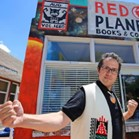
Dr. Lee Francis 4, aka Dr. IndigiNerd, is the CEO of A Tribe Called Geek (ATCG) Media and the Executive Director of Native Realities, both of which are dedicated to creating pop culture media that celebrates Indigenous identity. He is the founder of the Indigenous Comic Con and an award-winning editor of over a dozen comic books and graphic novels. Lee has won accolades for his work on Ghost River, Sixkiller and Native New York. You can find more about his work on social media @dr_ indiginerd. He lives in North Carolina with his family.
Die Darstellung von Behinderung in der Literatur ist ein Spiegelbild gesellschaftlicher Haltungen, kultureller Diskurse und normativer Ordnungen. Literarische Werke von der Frühmoderne bis zur Gegenwart thematisieren Behinderung auf unterschiedliche Weise und reflektieren sowohl hegemoniale als auch marginalisierte Perspektiven. Die vorliegende Untersuchung mit dem Sammelband über Behinderung in der deutschsprachigen Literatur geht über die rein textliche Darstellung hinaus und beleuchtet, wie sich kulturelle Narrative rund um Behinderung über die Jahrhunderte hinweg gewandelt haben. Dabei stehen ästhetische und ideologische Aspekte im Mittelpunkt sowie auch Fragen der sozialen Verantwortung, der Partizipation und der Inklusion.
Die literarische Inszenierung von Behinderung
Literarische Figuren mit Behinderungen sind oft Projektionsflächen für gesellschaftliche Ängste, Hoffnungen und ethische Fragestellungen. In klassischen Werken wie den Erzählungen der Romantik oder den Dramen des Expressionismus dient Behinderung häufig als Symbol für eine innere oder gesellschaftliche Krise. So werden körperliche und geistige Einschränkungen in der Literatur vielfach metaphorisiert: Der blinde Seher in der Antike oder die deformierte Gestalt in der Romantik stehen beispielhaft für das Spannungsverhältnis zwischen Ästhetik, Wissen und Anderssein.
Im 20. und 21. Jahrhundert zeigt sich eine zunehmende Diversifizierung der Darstellungsweisen. Während im Nationalsozialismus Behinderung mit negativen Zuschreibungen verbunden wurde, kam es in der Nachkriegszeit zu einer schrittweisen Neubewertung. Die Literatur begann, sich mit den Erfahrungen von Menschen mit Behinderungen auseinanderzusetzen und legte den Fokus verstärkt auf deren Lebensrealitäten sowie gesellschaftliche Herausforderungen. Zugleich werden in der zeitgenössischen Literatur verstärkt diverse Behinderungsnarrative sichtbar, die sich nicht nur auf Defizit- oder Mitleidskonstruktionen stützen, sondern Agency, Selbstermächtigung und soziale Gerechtigkeit betonen.
Zwischen Stigmatisierung, Selbstermächtigung und sozialer Verantwortung
Ein zentrales Anliegen dieser Untersuchung ist es, die Ambivalenz in der literarischen Darstellung von Behinderung herauszuarbeiten. Während viele Werke tradierte Klischees und Stigmata reproduzieren, gibt es ebenso zahlreiche Texte, die sich der Thematik differenziert und kritisch nähern.
Ein besonders interessanter Wandel zeigt sich in der modernen Literatur und den Disability Studies: Behinderung wird nicht länger als individuelles Schicksal oder medizinisches Problem betrachtet, sondern als sozial konstruiertes Konzept hinterfragt. Romane und Autobiografien von Betroffenen gewinnen zunehmend an Bedeutung, da sie den Fokus auf Selbstermächtigung, Agency und intersektionale Diskriminierung legen. Die Repräsentation von Behinderung rückt in diesem Kontext nicht nur die persönlichen Herausforderungen in den Mittelpunkt, sondern ebenso strukturelle Exklusionsmechanismen, die in Gesellschaft und Kultur wirksam sind.
Soziale Verantwortung spielt dabei eine essenzielle Rolle: Literarische Darstellungen können entweder Inklusionsprozesse fördern oder bestehende Ausschlüsse weiter verfestigen. Die kritische Reflexion über diese Mechanismen ist ein zentraler Bestandteil zeitgenössischer literaturwissenschaftlicher Analysen und gesellschaftspolitischer Debatten.
Gesellschaftliche Relevanz und gegenwärtige Diskurse
Die literaturwissenschaftliche Reflexion über Behinderung trägt ferner dazu bei, gesellschaftliche Vorurteile aufzubrechen, Inklusion zu fördern und soziale Verantwortung in unterschiedlichen Bereichen zu stärken. Literatur kann ein wichtiges Instrument sein, um Normen zu hinterfragen und neue Perspektiven auf Diversität, Teilhabe und Gerechtigkeit zu eröffnen. Gleichzeitig zeigt sich, dass trotz der Fortschritte in der Repräsentation von Behinderung in der Literatur noch viel Aufklärungsarbeit notwendig ist. Insbesondere in Literatur und Film bestehen weiterhin stereotype Darstellungen, die Menschen mit Behinderungen auf ihre Defizite reduzieren. Der Band über die Behinderung in der deutschsprachigen Literatur möchte daher nicht nur eine wissenschaftliche Analyse bieten, sondern auch Impulse für eine breitere gesellschaftliche Diskussion setzen.
Ein weiteres zentrales Thema ist die Verbindung zwischen Literatur und politischen Bewegungen für Inklusion und Barrierefreiheit. Während einige literarische Werke aktiv zur Bewusstseinsbildung beitragen, perpetuieren andere diskriminierende Narrative. Die Verantwortung von Autor:innen, Kritiker:innen und Leser:innen wird in diesem Kontext zunehmend betont, da Literatur nicht isoliert von gesellschaftlichen Machtstrukturen existiert.
Fazit
Die Auseinandersetzung mit Behinderung in der Literatur ist also mehr als eine rein akademische Übung – sie ist ein Beitrag zur kritischen Reflexion gesellschaftlicher Normen, Werte und Machtstrukturen. Die literarische Repräsentation von Behinderung beeinflusst maßgeblich gesellschaftliche Diskurse über Inklusion, soziale Verantwortung und Gerechtigkeit.
Die Relevanz dieses Themas reicht weit über den literaturwissenschaftlichen Bereich hinaus und berührt interdisziplinäre Felder wie die Disability Studies, die Kulturwissenschaften und die Sozialwissenschaften. Der fortlaufende Dialog zwischen Literatur und Gesellschaft kann dazu beitragen, tradierte Vorstellungen von Normalität und Abweichung zu hinterfragen und inklusive Narrative zu stärken.
Behinderung ist kein Randthema, sondern ein zentraler Bestandteil menschlicher Erfahrung – und die Literatur kann helfen, diese Erfahrung in ihrer Vielschichtigkeit sichtbar zu machen und kritisch zu reflektieren. Es liegt in der Verantwortung aller Beteiligten, die bestehenden Narrative kontinuierlich zu hinterfragen und weiterzuentwickeln.
Das Buch „Behinderung in der deutschsprachigen Literatur”, herausgegeben von Habib Tekin und Leyla Coşan können Sie hier bestellen.
Series Editors: Professor Maria Isabel Romero Ruiz and Dr Sarah-Anne Buckley share their vision for the Gender and the History of Institutions series
This new book series welcomes studies of the history of institutions globally through the lens of gender. It emanates from conversations we have had with colleagues and scholars in the fields of gender history, the history of institutions, the history of religion, the history of poverty and the history of childhood and youth.
Much of the recent interest in institutions such as asylums, hospitals, prisons, religious organisations and other often carceral institutions have focused on the treatment of ‘historical’ abuse. Our aim is to not only provide a platform for a discussion of these institutions and those affected by them, but also to make visible lesser known institutions and archives. By illuminating the lived experience of those directly affected by their time in these institutions, and those who worked there and in the local communities surrounding them, we aim to broaden the conversation surrounding confinement, incarceration, poverty, religious involvement in health and welfare, and differences across the globe.
The series will also cover new analyses and interpretation of sources that have already been discussed by historians of crime, poverty, violence, gender, sexuality, childhood and youth since the 1970s. Engaging in an interdisciplinary manner, we can shed more light on how the institutions operated, how they were supported, the underlying need for them and the perspective of both those placed in the institutions and those who worked there. This will allow a more complete understanding of the operation of different individual institutions throughout different historical periods and locations while also foregrounding hitherto neglected or unavailable sources. We particularly welcome new approaches to the topic and encourage scholars of all career stages to engage with us.
We believe understanding and exploring the experiences of individuals in institutions for regulation, control, rehabilitation, reform or punishment can encourage a greater sense of citizenship and solidarity at the present time as well as promoting a culture of empathy in our contemporary societies for those who are survivors and affected by institutions both in the past and in the present.
While we are looking broadly at gender, we are focused in particular on institutions where women and gender minorities have been the victims of abuse, discrimination and violence in the past and in the present. The idea is to envisage common experiences by those who lived part of their lives in these places of incarceration and find new ways to interpret social behaviour and cultural norms in diverse geographical locations where gender has been determinant in the way individuals have been treated throughout history.
All books in the series – both monographs and edited collections – will be published in English, but we intend to give diversity and plurality to the choice of institutions with a variety of settings that can enhance a comparative discussion of the role of gender in these organisations, not only in English-speaking countries but also in other parts of the world. We encourage scholars to look globally but are also very happy to receive submissions based on national, local or regional research. We are open to scholars of all career stages, and we aim to reach a broad audience beyond academia.
For further information, please contact Dr Laurel Plapp, Senior Acquisitions Editor, at Peter Lang at l.plapp@peterlang.com.
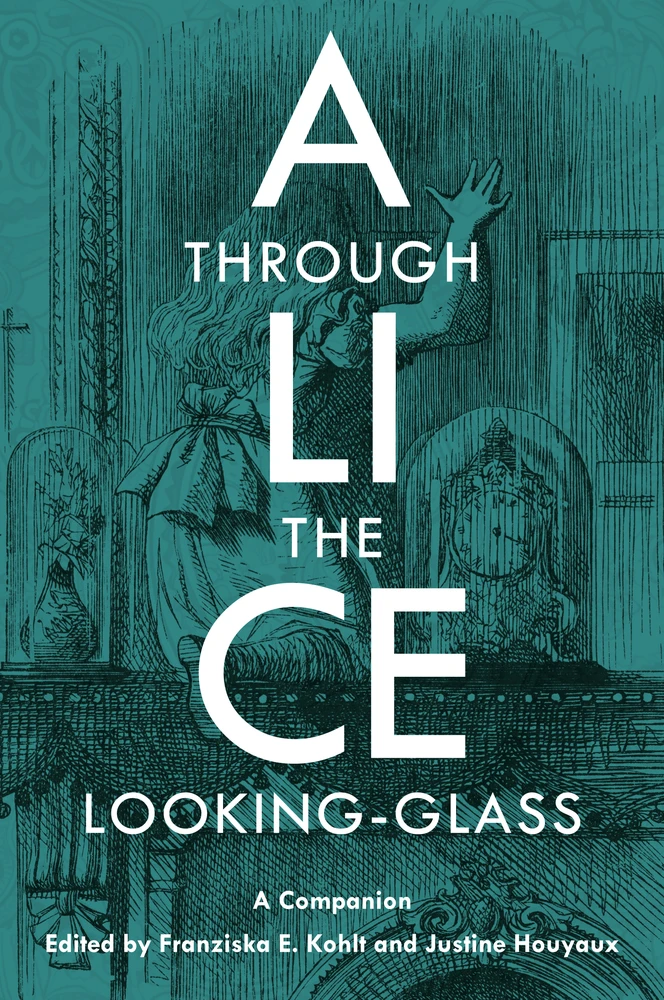
The 2024 book launches of ‘Alice Through the Looking-Glass: A Companion’ edited by Franziska E. Kohlt and Justine Houyaux were more than just book signings. They were immersive experiences that explored the mind of Lewis Carroll and the enduring legacy of his work. Held in two iconic locations—Oxford, the birthplace of Alice’s Adventures in Wonderland, and Los Angeles, the birthplace of Disney’s cinematic adaptations—these events demonstrated the power of a well-executed book launch, and how authors and editors can build on their research to craft an event. Here we explore what makes a successful book launch as part of an author marketing strategy.
Why Book Launches Matter
A successful book launch strategy can significantly boost a title’s visibility, generate buzz, and foster a dedicated readership. It’s an opportunity to connect with readers, colleagues, and fellow authors, to illustrate what the book can offer them and their own understanding of the topic.
The Magic Behind the Success
The book launches for ‘Alice Through the Looking-Glass’ were particularly successful due to a combination of factors:
1. A Unique Setting:
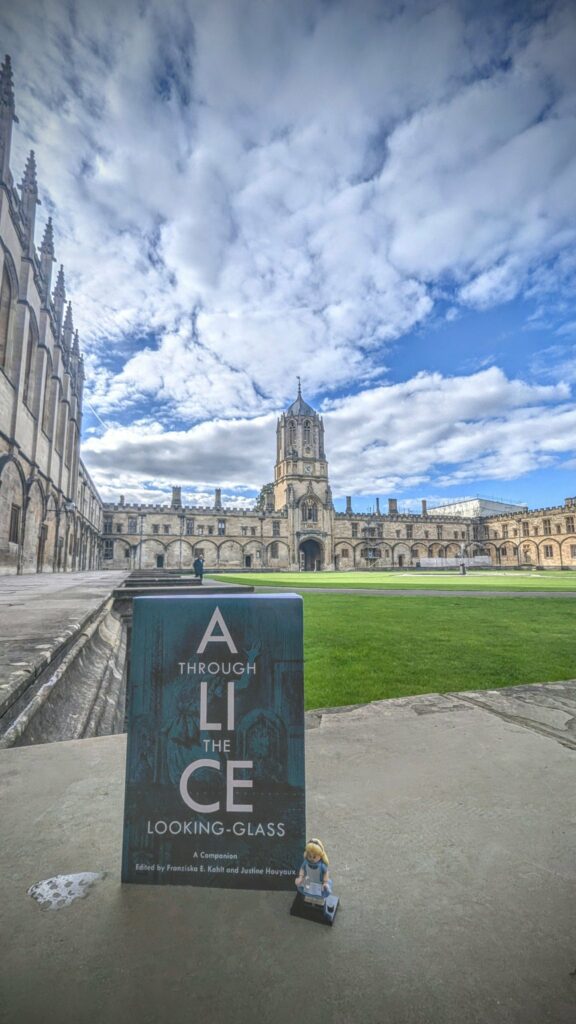
Oxford: By choosing Oxford, the editors tapped into the rich history and literary heritage of the city. As Franziska E. Kohlt explained, “The Oxford launch was a bit of a full, circle moment – I had worked with the archives kept at the library of Christ Church, where Lewis Carroll had lived and worked most his life, where he had met Alice, and written the Alice books, for such a long time.” This setting, so integral to the book itself inspired insightful discussions and tapped in to the historical context of Carroll’s work.
Los Angeles: This vibrant city provided a platform to better explore the cinematic adaptations of Alice and the evolving landscape of storytelling in the digital age.
“Both settings thus gave us access to unique discussions, with diverse audiences – to rethink pasts and futures of the interplay of arts, beliefs, society and technology – aspects whose intertwined nature we were keen to highlight in our book, and whose past and present echoes, we could reflect on (pun intended!), playfully – in a Carrollian spirit.” Kohlt
2. Engaging Programming:
Expert Panel Discussions: The launches featured expert panel discussions with scholars from various disciplines, offering diverse perspectives on Carroll’s work. As Kohlt noted, “At the Oxford launch we had the unique opportunity to hear from speakers from Victorian Literary Studies, History of Science, Theology, Business Studies and Theatre Studies, who could point to the items, and the places referenced in their articles.”
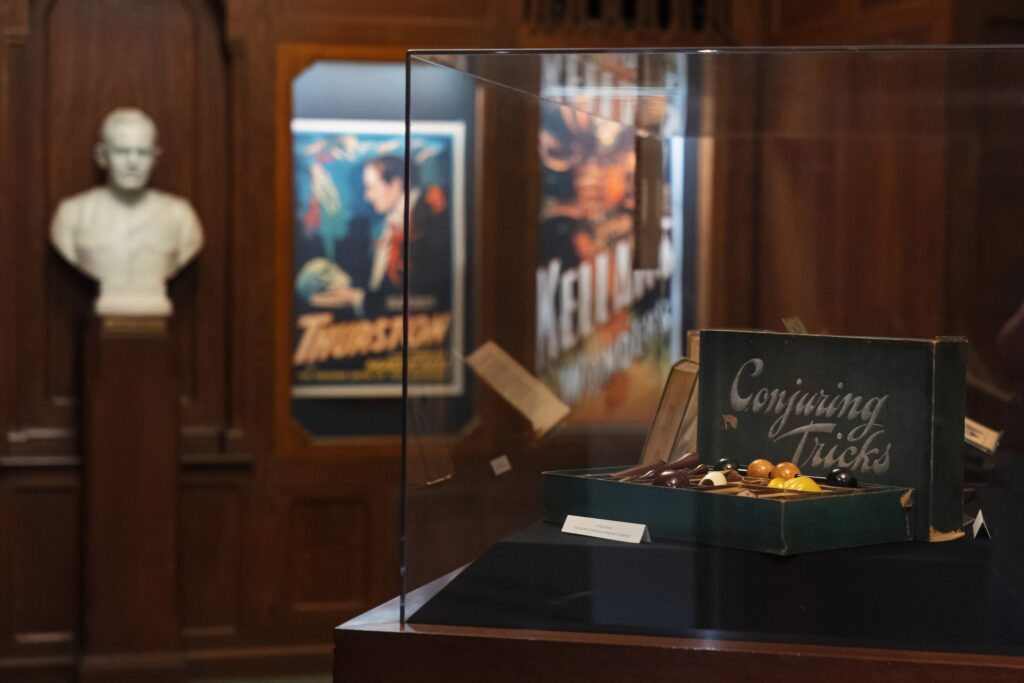
Interactive Exhibitions: By curating exhibitions of historical artifacts and related items the editors created immersive experiences that brought the book to life. The editors were inspired to convene an exhibition on the history of early cinematic technology, “beginning with early optical trickery to the history of its uses in magic and technology and how they shape our perception and understanding.”
Thematic Performances: Tying in magic lantern shows and other performances to the launch added a theatrical element reinforcing the book’s themes. A highlight was an Alice-themed Magic Lantern show commissioned especially for the launch. Related exhibitions encouraged attendees who may not have originally been aware of the book or the launch.
3. A Strong Author Presence:
Personal Insights: Kohlt shared personal anecdotes and insights into her research process, creating a deeper connection with the audience. She reflected on the complexities of Lewis Carroll and how his multifaceted nature shaped his writings. earing Hearing firsthand from an author or editor about how the book came to be can bring the book and its contents to life for a potential readership.
Engaging with Readers: By actively engaging with readers through book signings, Q&A sessions, and social media, the author fostered a sense of community. Community is increasingly important in academia, with a strong academic network supporting one another both in book sales and in future research opportunities.
By combining these elements, these book launches were not just promotional events; they were cultural and community experiences that celebrated the enduring appeal of Lewis Carroll’s work and its relevance to contemporary issues.
What Other Authors Can Learn
Build your successful book launch strategy by considering a few things:
- Choose the Right Setting: Consider the themes of your book and select a location that aligns with its message.
- Create Engaging Programming: Offer a mix of academic discussions, creative performances, and interactive elements where appropriate to appeal to your audience.
- Leverage Social Media: Use social media to build anticipation, share behind-the-scenes content, and connect with readers.
- Collaborate with Experts: Partner with scholars, artists, and industry professionals to enhance the credibility and impact of your launch.
Discover this fascinating book for yourself, and see the wider impact and public interest of this subject here: Alice Through the Looking-Glass – Peter Lang Verlag
For more information on the topic, you can find some great features from the BBC where editor Dr. Franziska E. Kohlt contributed.