

 de
de  fr
fr We’re so proud to have received these reviews in April and are always thrilled to read such positive feedback on our titles. Congratulations to our authors who have invested so much time and effort into their work. You can read the full reviews through the links below as well as find the titles on our website. We hope these reviews will inspire you to explore our full catalogues.
Review Highlights
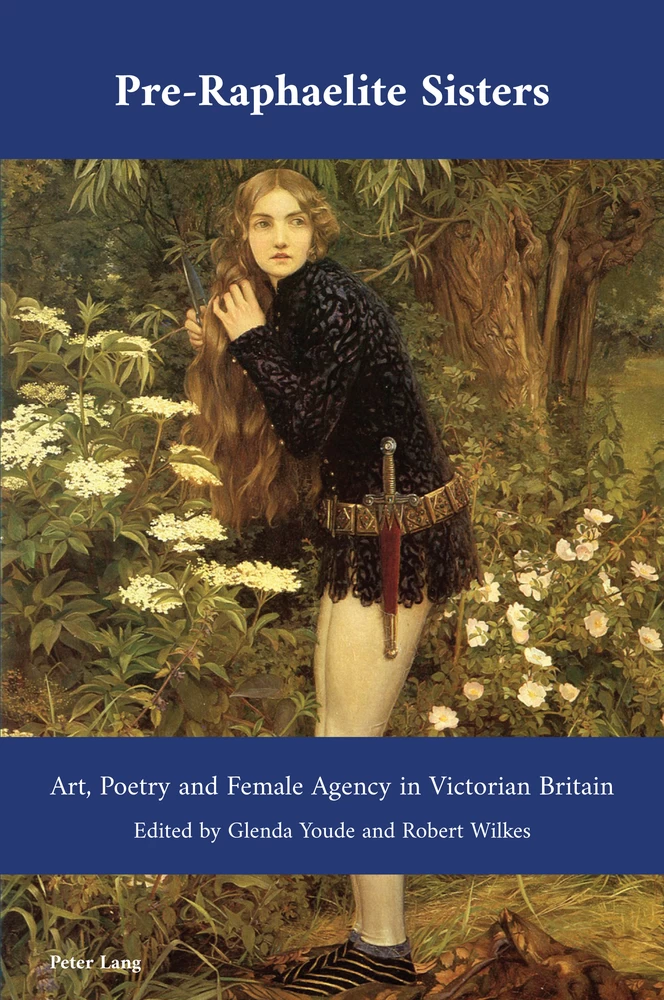
Title: Pre-Raphaelite Sisters: Art, Poetry and Female Agency in Victorian Britain edited by Glenda Youde & Robert Wilkes
Review by: Ashley Miller, Albion College
“Pre-Raphaelite Sisters makes a valuable contribution to the field of Pre-Raphaelite studies. Wilkes writes that the volume aspires to be “a starting point for new research and fresh perspectives” on the lives and works of several women of the Pre-Raphaelite movement (15).”
Featured in: Victorian Studies, Volume 66, Issue 4 (2024), pp. 663-64
Link: https://doi.org/10.2979/vic.00198
Title: Aspects of Islamic Radicalization in the Balkans After the Fall of Communism edited by Mihai Dragnea, Joseph Fitsanakis, Darko Trifunovic, John M. Nomikos, Vasko Stamevski and Adriana Cupcea
Review by: Muhammad Asad Latif, Islamia University Bahawalpur, Pakistan
“this edited collection provides an invaluable addition to the body of knowledge on political Islam, radicalization, post-communist transitions, and the political choices that have molded the Balkan region’s current environment.”
Featured in: Journal of Religion in Europe, Volume 17, Issue 4 (2024), pp. 501-03
Link: https://doi.org/10.1163/18748929-bja10114
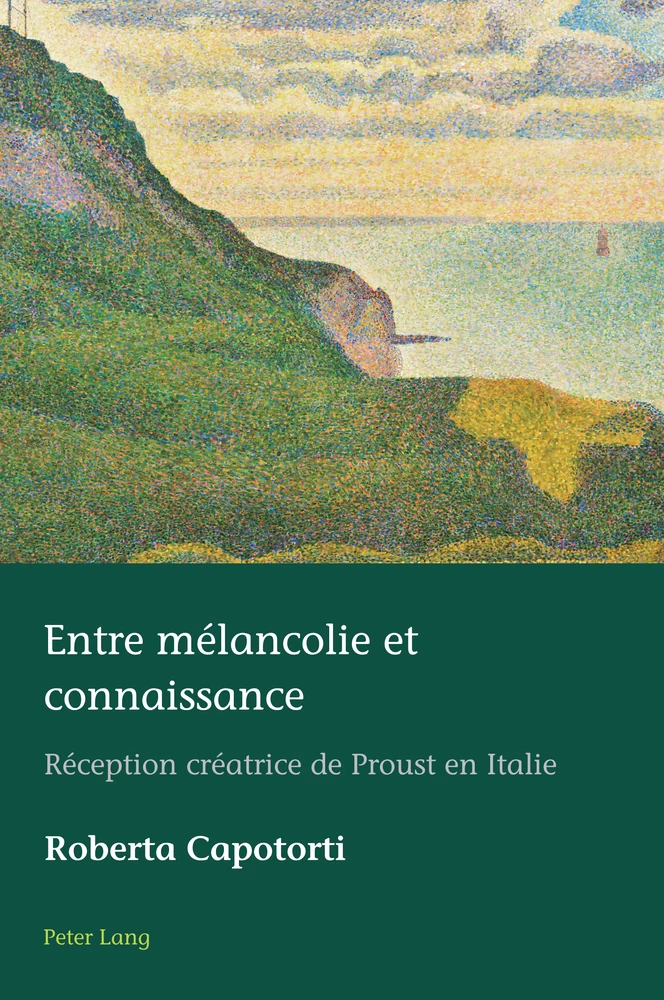
Title: Entre mélancolie et connaissance: Réception créatrice de Proust en Italie by Roberta Capotorti
Review by: Caterina Palmisano, Università di Siena
“L’enquête ainsi menée nous restitue un tableau de la réception italienne de Proust situé entre la mélancolie due à l’impossible coïncidence entre vie et littérature et la connaissance se dégageant de l’aspect méta-romanesque de l’œuvre proustienne qui permet de concevoir et de confronter de nouveaux modèles épistémologiques.”
Featured in: Acta fabula Revue des parutions, Volume 26, Issue 4 (2025)
Link: https://doi.org/10.58282/acta.19558
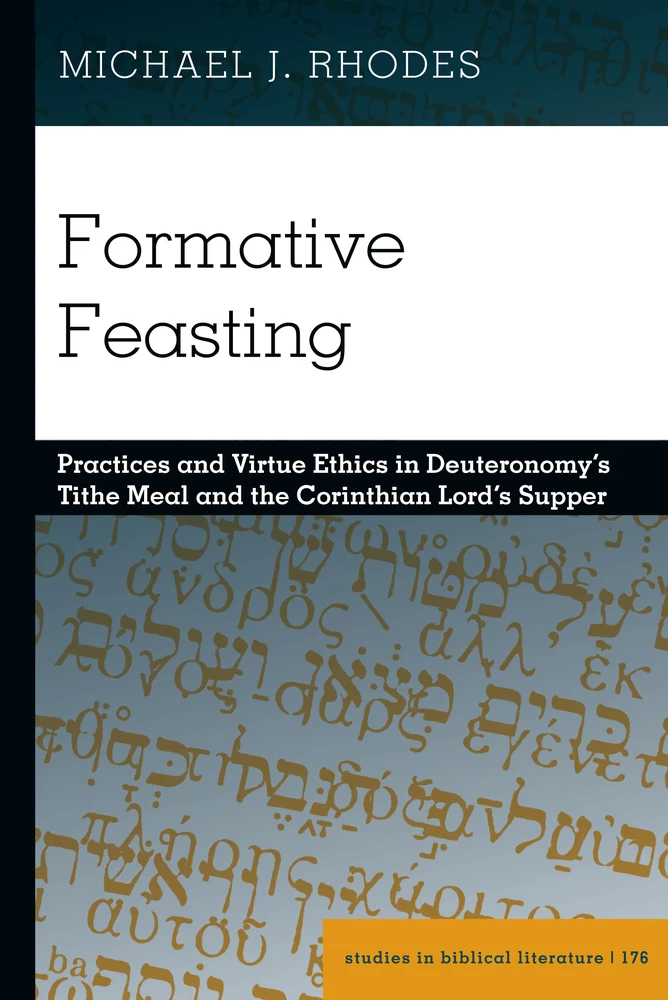
Title: Formative Feasting: Practices and Virtue Ethics in Deuteronomy’s Tithe Meal and the Corinthian Lord’s Supper by Michael J. Rhodes
Review by: Gregory Soderberg, BibleMesh Institute, New York
“In this study, Rhodes surveys the Deuteronomic tithe meals of Deuteronomy 14 and the eucharist described in 1 Corinthians 11 from the perspective of ‘formative practices’. This is a richly nuanced and generous treatment that should be of interest to a wide range of scholars, ministry leaders, and interested laypeople.”
Featured in: Evangelical Quarterly: An International Review of Bible and Theology, Volume 95, Issue 2 (2024), pp. 174-76
Link: https://doi.org/10.1163/27725472-09502009
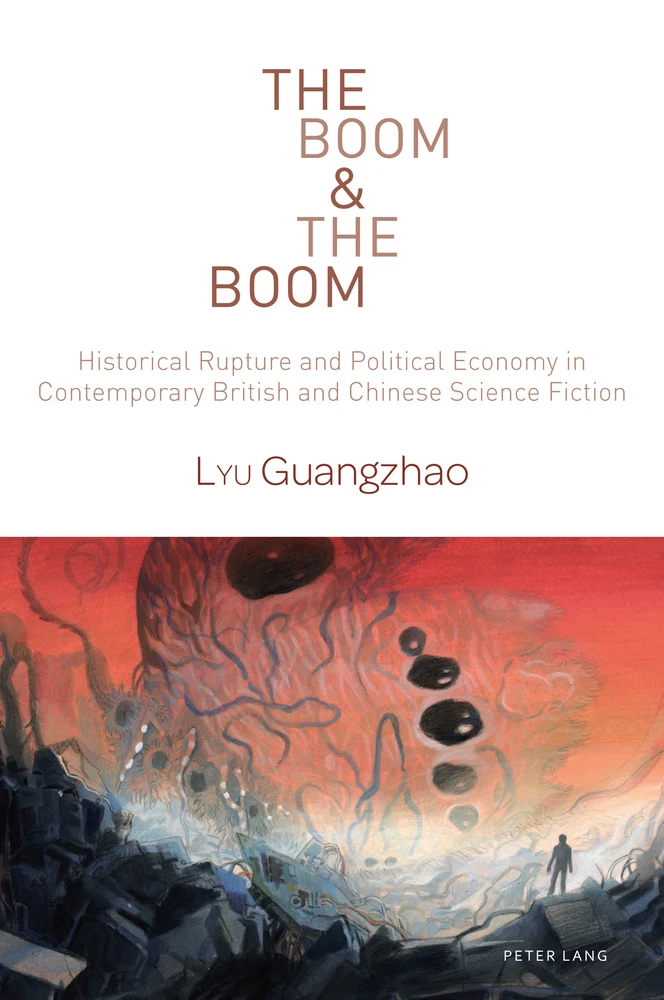
Title: The Boom & The Boom: Historical Rupture and Political Economy in Contemporary British and Chinese Science Fiction by Lyu Guangzhao
Review by: Mengmeng Zhu
“Lyu Guangzhao’s The Boom & The Boom is a groundbreaking exploration of the connections between two mostly contemporaneous booms in British and Chinese sf. […] This is not simply an observation of a historical curiosity; rather, Lyu’s analysis of this convergence provides profound insight into how both booms can be understood as responses to contemporary political and economic shifts— Thatcherism in the United Kingdom and Deng Xiaoping’s reforms in China.”
Featured in: Extrapolation, Volume 66, Issue 1 (2025), pp. 118-20
Link: https://doi.org/10.3828/extr.2025.7
Disclaimer: The views and opinions below are the authors own, based on their own academic research and study, and are not representative of the Peter Lang Group
When we began compiling Confronting Toxic Rhetoric in early 2023, we imagined it as a way to support writing teachers who were teaching argument, evidence, and rhetorical ethos in a time when many were still reeling from four years of Trump-era post-truth and fake news. Perhaps naively, we did not consider that the book would hit the shelves the very month that Trump would be re-elected back into the oval office, and that we would be marketing it as we witness, arguably, some of the most inflammatory rhetoric and behavior our country has ever known: Elon Musk performing the nazi salute on television, Trump’s executive orders against trans and non-binary people (referring to “transgender insanity,” nbc news), immigrants being taken from their homes by ICE (referring to murderers, rapists, burglars, and criminals, abc news), and measures toward diversity, equity, and inclusion eliminated. The ways that people are being hurt by his words and actions are practically endless. The toxic rhetoric used by the new presidential administration seems to have only one purpose: to incite chaos, anger, fear, division, and violence not only in America, but abroad, as Trump attempts to make claims on land and instigate feuds in Canada, Greenland, Ukraine, Mexico, the Middle East, and elsewhere.
This continual onslaught of “toxic rhetoric,” described by John Duffy as “a discourse of denial—denial of science, of diversity, of democracy, of change, of the commitment to equality and individual freedom” (p. xii), is what makes Confronting Toxic Rhetoric timelier than we even realized as we began assembling the book only two years ago. Toxic rhetoric is gaining strength and permission not only to exist, but also to be spread widely and even exalted. Is toxic rhetoric accepted as a norm? Back, say, in 2017, we were horrified and shocked by the permissiveness granted to the vocal and visual instigators of the Charlottesville Unite the Right riot. Was our nation perhaps less shocked when a shooter entered a synagogue a year later and murdered 11 innocent people praying there? Had we already completely embraced toxic rhetoric in 2022 when 10 Black men and women were shot to death in a Buffalo grocery store?
These incidents all have one thing in common: they were incited or supported by toxic rhetoric used specifically by Donald Trump. In the case of Charlottesville, it was written many times in many places that “President Trump … gave the white supremacists cover to come out of the shadows” (Time, see also ABC News, AP for more examples). The shooter of the victims at Tree of Life Synagogue was an active member of Gab, a social media site where “users could freely traffic in the basest kinds of hate speech” and find a “a rebranding of traditional white nationalism by a new generation of believers that emerged online around 2014 and came to prominence by attaching itself to Donald Trump’s 2016 presidential campaign” (SPLC). The Buffalo grocery store attacker had written a manifesto outlining his belief in the Great Replacement Theory, which “asserts that there is a plan to bring nonwhite people to Western countries to replace whites” (Economist). Trump used this same toxic rhetoric of replacement theory when claiming that migrants were brought into the U.S. to vote for Biden in the 2020 election, thus illegally handing Biden the presidency (NPR).
All of these attacks, and many more like them, were motivated by racism, antisemitism, and white supremacy; we are seeing and hearing the toxic rhetoric of the great replacement theory and white nationalist conspiracy theories everywhere. And so are our students. On college campuses across the U.S., we see students engaging in protest, oftentimes themselves using toxic rhetoric even if they don’t always understand the meaning behind what they’re saying (see, for example, a survey of UC Berkeley students, which showed that 46% of student protestors who chanted “From the River to the Sea” did not know the names or locations of neither “the river” nor “the sea,” nor what lies between, Newsweek). But on many campuses, students are silent: silent about the presidential election, about recent executive orders that might even harm them or their families, about atrocities across the world.
What can we, educators, do about this constant exposure to toxic words and behaviors? Many people are taking news or social media “fasts,” that is, trying to avoid that which might harm them. Or they’re focusing their energies on activism: making calls to government officials and volunteering to support those whose rights are being challenged. But we don’t always know what our students are doing, or how they’re reacting to, or worse, absorbing and then replicating the toxic rhetoric onslaught. As Jamie says so eloquently in Chapter 1 of Confronting Toxic Rhetoric, as teachers, we can help students “to entertain multiple sides of arguments, discuss difficult topics, and disagree with each other respectfully […to] help solve some of our nation’s complex problems. Over time and with iteration, our work could engender a groundswell that could lead to meaningful and lasting change in American discourse, politics, and culture” (pg). Teaching students to engage in respectful discourse is no longer something we can do; it is something we must do.
Thus, we highlight two strategies from our collection for use in writing classrooms to support and encourage students as they navigate, disrupt, and confront toxic rhetoric. We learned these from teacher contributors to Confronting Toxic Rhetoric, where you can read more deeply about these strategies and several others.
One: Intervention through Public Memory
Whitney Jordan Adams teaches at Berry College, two hours from Atlanta, GA, and only a few miles from Stone Mountain, a current day campground that is also “the site of a Confederate memorial to Stonewall Jackson, Robert E. Lee, and Jefferson Davis. It is the site of the establishment of the Ku Klux Klan’s (KKK) Second Empire in 1915” (p. 24). For Berry, teaching students to examine the toxic rhetoric around Stone Mountain is an imperative that “provides college students a framework to consider how public memory, and specifically monuments, can be exclusionary or inclusionary” (p. 24). Students in Adams’ class learn about “heritage,” “tourism reset,” and how one “rendition” of public memory “might take precedence and wipe out others (p. 33). Students read public documents and learn about how larger national stories are crafted as related to monuments such as Stone Mountain. Many students in Adams’ class come to see Stone Mountain from a new angle, which can be challenging for those students who knew it as “an innocuous place for hiking and family fun” (p. 33) or those whose family values have taught them to align with confederate world views (p. 32). Adams cites Wheatley, who would refer to this challenge as a “positive disturbance” (p. 34), and she explains that this is the purpose of the course – for students’ views to be ruptured so that nuance can be allowed in. At the end of her chapter, Adams asks educators to “continue to provide opportunities for students to consider the historical sites around them and explore the situated and complex nature and histories of those sites, their origin stories, whom they include and exclude, and how those who take advantage of their beauty and location participate or resist in cultural oppression, structural perversion, or white supremacy” (p. 34). Because these sites are everywhere, and because they are challenged and contested on a national stage and in classrooms (see, for instance, Utah public schools, where nazi and confederate flags are allowed to be displayed “in accordance with curriculum,” Salt Lake Tribune), students are learning a valuable skill in Adams’ class that they can take with them anywhere: how to participate in conversations about history and its often toxic artifacts.
Two: Unveiling Media Motivation
When Sarah Lonelodge was a PhD student at Oklahoma State University in spring of 2020, she had the opportunity to develop an advanced composition course “focused on politically charged communication” that helped students “participate meaningfully and thoughtfully in public discourses in ways that might resist and counteract the damage done by toxic rhetoric” (p. 102). Early that spring, several events occurred right on top of each other – the Australian brush fires, the beginning of the Covid-19 pandemic, the death of Kobe Bryant and his young daughter, and the Trump impeachment trial and subsequent acquittal. As Lonelodge describes it, “my students and I could feel a shift – there was a dread hovering over us. I could see it as they scrolled through their phones before class began” (p. 103). The moment could not have been more kairotic for a course on public discourse, but Lonelodge wanted her course to be more than writing about social change. She wanted her students to engage as citizens (p. 104). For example, as the Covid-19 pandemic unfolded (before it was officially a pandemic), students learned about propaganda and how it works. They created multimodal projects – podcasts, presentations, narrated slides – where they learned to provide evidence to demonstrate types of propaganda and persuasion related to topics of their choosing. Lonelodge explains, “the multimodal nature of the project offered a significant amount of creativity and creative thinking from students as they explored the use of screenshots, embedded video, and other composing options,” (p. 109). Learning to compose multimodally is surely a productive outcome, yet we believe the most useful strategy Lonelodge employed in helping students counter toxic rhetoric was teaching them to analyze current events as found on the daily in the media and to understand how that media works to persuade, sometimes in toxic ways; the students developed and used a heuristic for determining if a text was persuasion or propaganda. Now they are now practiced in “identifying, analyzing, and responding to demagoguery, propaganda, and misinformation through various media,” (pg. 108) and as Lonelodge says, they have learned to respond “in real time.”
Finally,in the conclusion to Confronting Toxic Rhetoric, Rachel Ketai writes a letter to John Duffy in which she says, “I came to the field of rhetoric and composition to promote equity and access in education. I should have expected that this path would confront me with disagreements and controversy. Change in any direction requires conflict, and in 2023, that can look like an unfollow on social media or a piñata beating on campus” (p 218). In terms of disagreements and controversy, things have not gotten much better in 2025; in fact, they may be worse. But Ketai pushes forward, and we hope you will, too. She continues, “What my students and I need is not to avoid or scrub out the lines of difference that separate us from those we disagree with. We need to practice reading and writing and listening and speaking across those lines of difference in ways that will build better conversations and communities” (page 218). We hope you also find those practices that help you and your students toward better conversations and communities among the pages of Confronting Toxic Rhetoric.
Find the book here: https://www.peterlang.com/document/1446367
Don’t miss our reviews from March! We’re so proud to have received such positive feedback on our titles. You can read the full reviews through the links below, as well as find all our books available to purchase or download on our website.
Congratulations to all our authors and thank you to those who took the time to review them.
Review Highlights
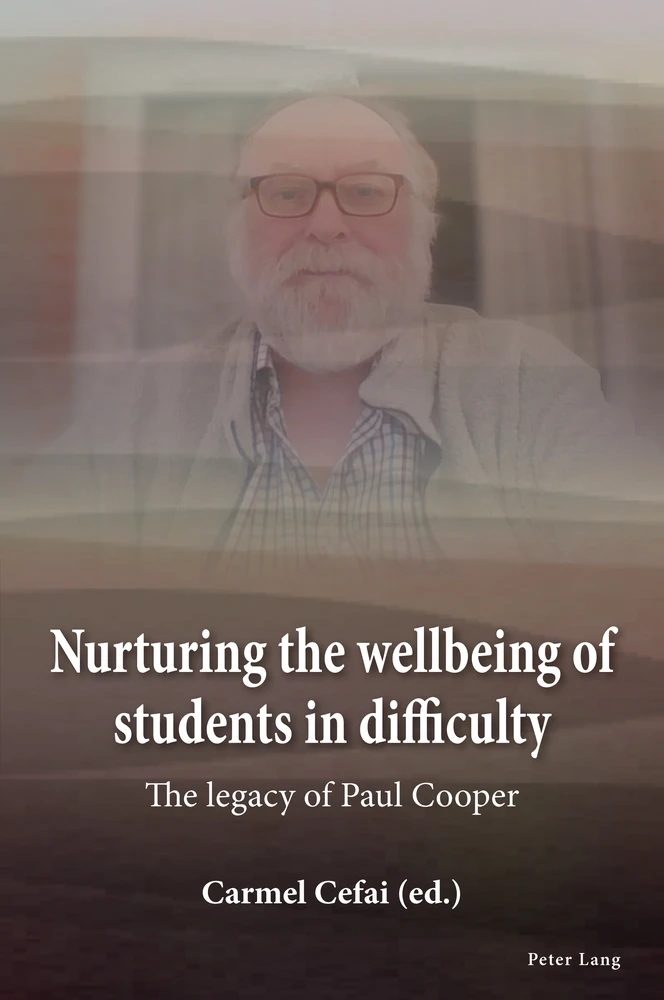
Title: Nurturing the wellbeing of students in difficulty: The legacy of Paul Cooper edited by Carmel Cefai
Review by: Tristan Middleton
“The respect and affection for Paul Cooper is clearly communicated through the chapters of this eclectic and wide-ranging book, and Cooper’s presence brings together the drive for a more sympathetic learning experience for children and young people who are marginalised in the education system. Written for an international audience, this book will be of particular interest to students and scholars of inclusive education and the development of policy and practice for learners who are marginalised as a result of social, emotional and mental health difficulties.”
Featured in: The International Journal of Nurture in Education, Volume 10 (2024), pp.101-02
Link: https://www.nurtureuk.org/journal/volume-10/
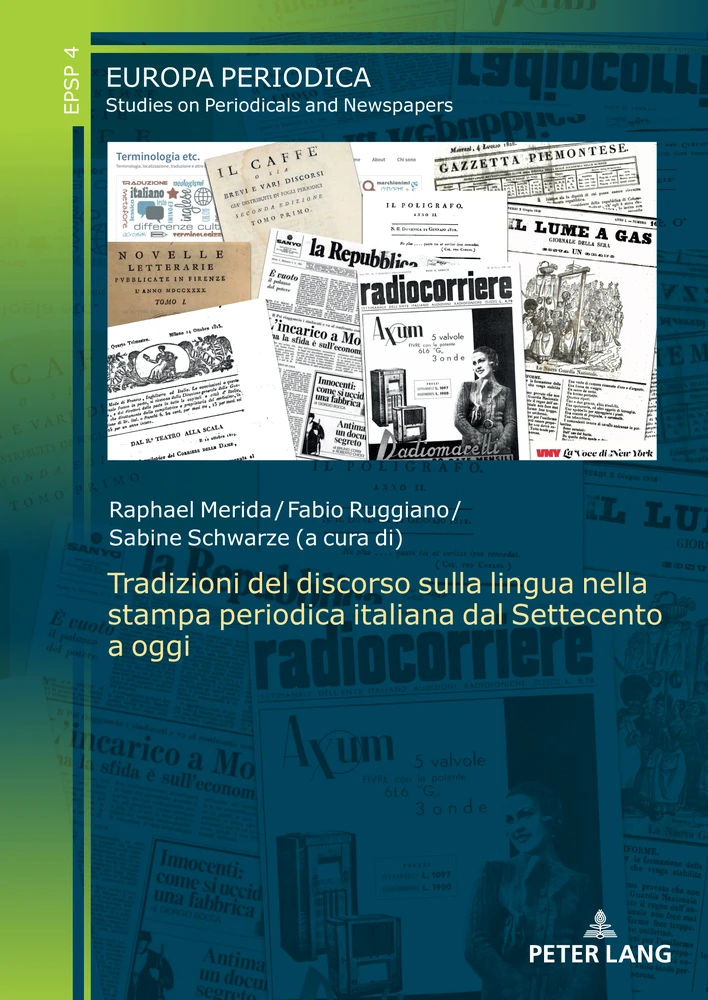
Title: Tradizioni del discorso sulla lingua nella stampa periodica italiana dal Settecento a oggi edited by Raphael Merida, Fabio Ruggiano and Sabine Schwarze
Review by: Luisa di Valvasone
“il volume offre una panoramica accurata e approfondita, e permette di comprendere, seguendo la linea del tempo, come il commento sulla lingua nella stampa periodica italiana sia stato non solo un riflesso, ma anche un motore delle dinamiche culturali e sociali italiane dal settecento fino ai giorni nostri.”
Featured in: La Rassegna della Letteratura Italiana, Volume 128, Issue 2 (2024), pp.492-93
Link: https://www.lelettere.it/libro/24010-24-2
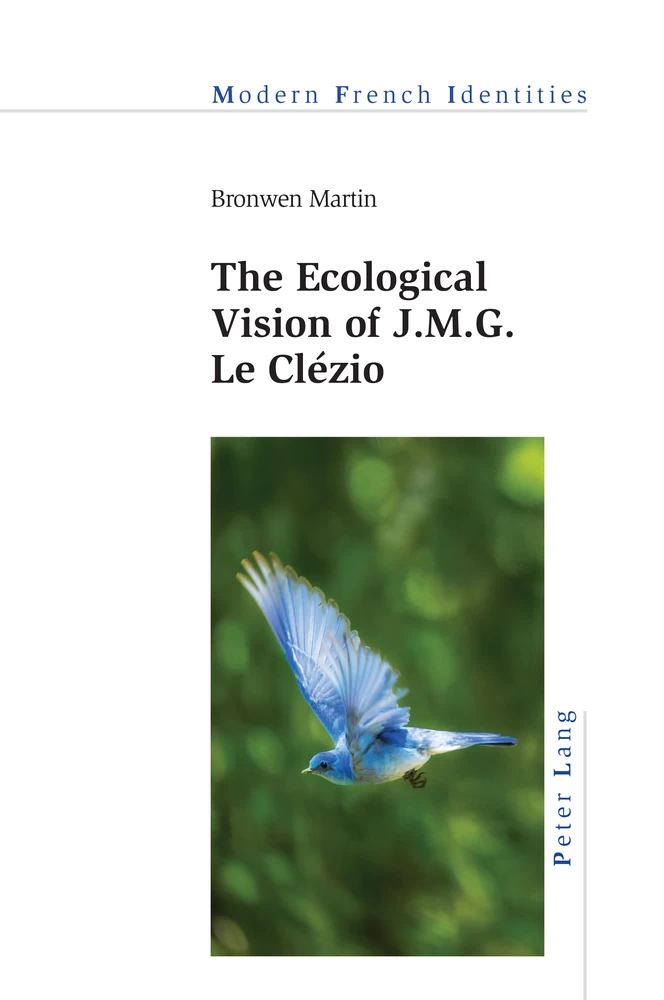
Title: The Ecological Vision of J.M.G. Le Clézio by Bronwen Martin
Review by: Josephine Goldman, University of Sydney
“Martin explores four texts by Le Clézio in this book, three of which were published in the twenty-first century—‘Nos vies d’araignées’ (2011), Bitna, sous le ciel de Séoul (2018), and Alma (2017)—along Le Clézio’s 1971 essay ‘Haï’. Martin focuses on the author’s critiques of anthropocentrism through his exploration of the human–animal relation in connection with Gilles Deleuze’s concept of ‘becoming-animal’. She also examines Le Clézio’s melding of the poetic and socio-political throughout his writing, touching on synergies with world philosophies including shamanism, Zen Buddhism, and créolité and highlighting its close links with the literature of Patrick Chamoiseau and Édouard Glissant”
Featured in: The Year’s Work in Modern Language Studies, Volume 85 (2025), pp. 67
Link: https://www.doi.org/10.1163/22224297-08501034
Make sure you catch all these new reviews from February 2025! We’re so proud to be able to showcase positive feedback, and we hope they will encourage you to explore all our titles. Congratulations to all our reviewed authors and thank you to those who read them. You can read all the full reviews through the links below, as well as purchase copies on our website.
Review Highlights

Title: The Novels of Zsigmond Móricz in the Context of European Realism: A Thematic Approach by Virginia L. Lewis
Review by: Gábor Tamás Molnár, Institute for Hungarian Literary and Cultural Studies, Eötvös Loránd University
“Virginia Lewis’s monograph offers clear and accurate explications of the works of an important Hungarian author. The thematic approach enables the critic to contextualize these works in a manner relatable to non-Hungarian scholars and readers. However, Hungarian readers will also benefit from Lewis’s attentive interpretation of Móricz’s vision and narrative craft.”
Featured in: Slavonic and East European Review, Volume 102, Issue 4 (2024)
Link: https://doi.org/10.1353/see.00066
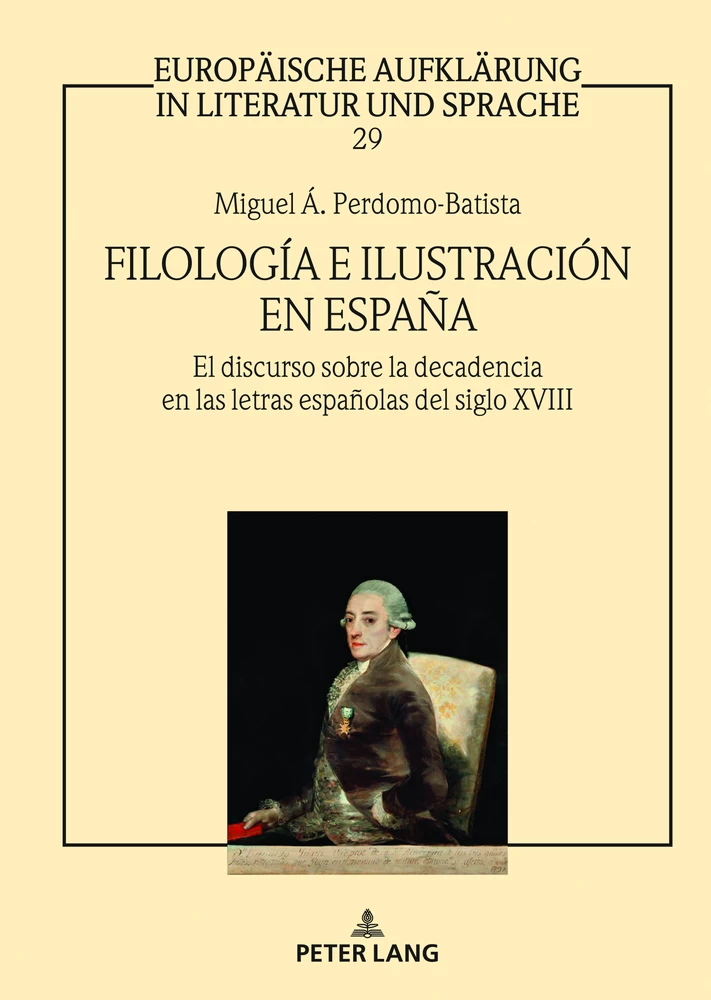
Title: Filología e Ilustración en España: El discurso sobre la decadencia en las letras españolas del siglo XVIII by Miguel Ángel Perdomo-Batista
Review by: Mario Pedrazuela Fuentes, Universidad Rey Juan Carlos
“el libro que aquí analizamos, más que un estudio acerca de la creación del discurso filológico en España consiste en una recopilación y análisis de una serie de obras de ilustrados españoles del siglo xviii que profundizaron en las causas de todo tipo, entre ellas también las lingüísticas y literarias, de la decadencia en la que se encontraba España en aquellos momentos. Para el autor son estos textos los que establecen las características que tiene la filología española dieciochesca, llegando a la conclusión de que estos discursos sobre la decadencia es el hecho diferencial de la filología Española”
Featured in: Revista Internacional de Lingüística Iberoamericana, Volume 22, Issue 2 (2024), pp. 285-90
Link: https://www.iberoamericana-vervuert.es/indices/Indice_R236367.pdf
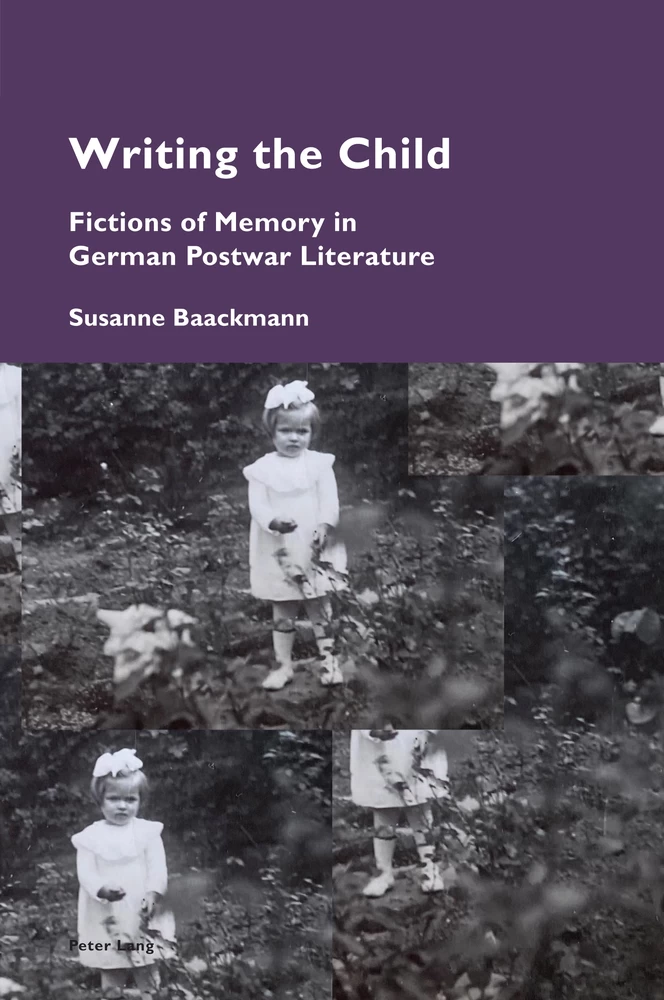
Title: Writing the Child: Fictions of Memory in German Postwar Literature by Susanne Baackmann
Review by: Julia K. Gruber
“Baackmann successfully “achieved knowledge” and “made space” for what has been her parents’ generations’ secrets by filling that blank space with solid analyses of several fictional works.”
Featured in: Gegenswartsliteratur, De Gruyter, Volume 23 (2024), pp. 295-96
Link: https://www.degruyterbrill.com/document/doi/10.1515/9783111501888/html
Title: Changes in Argument Structure: The Transitivizing Reaction Object Construction by Tamara Bouso-Rivas
Review by: Eva Zehentner, University of Zurich
“a must-read for researchers interested in careful implementations of (diachronic) Construction Grammar for specific case studies, and a prime example of how to conduct corpus studies on somewhat elusive patterns in an as bottom-up, exploratory way as possible. The study clearly achieves its goal of providing a meticulous and convincing application of by now rather standard concepts in Construction Grammar to a particular, to-date unexplored phenomenon.”
Featured in: English Language & Linguistics, Cambridge UP, First View, (2025), pp. 1-7
Link: https://doi.org/10.1017/S136067432400042X
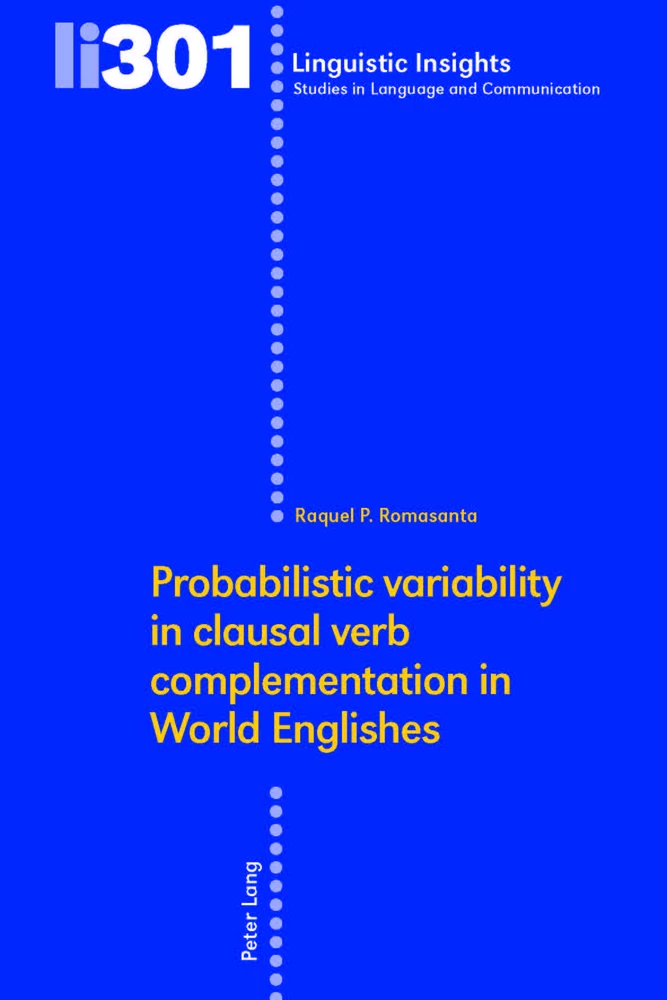
Title: Probabilistic variability in clausal verb complementation in World Englishes by Raquel P. Romasanta
Review by: Sven Leuckert, Technische Universität Dresden
“This monograph is impressive in several ways. The author showcases in-depth knowledge in a variety of fields, including, of course, World Englishes, but also variationist sociolinguistics, language history and language typology. The analysis is complex and illustrates the author’s skills in statistics, with multiple statistical methods used to approach the data from different angles.”
Featured in: English Language and Linguistics, Cambridge UP, Volume 29, Issue 2 (2025), pp. 418-22
Link: https://doi.org/10.1017/S1360674324000182
Having fun is a serious business. IndigePop: A Companion, an edited collection published in December 2024 by Peter Lang, makes this point as it explores the dynamic and multifaceted field of contemporary Indigenous popular culture. Indigenous popular culture celebrates the Indigenous popular and Indigenous nerdy creativity in all their manifestations, gaining increasing momentum since the turn of the twenty-first century. The contributions in the book offer a range of perspectives on the Indigenous popular by scholars, artists and practitioners who work with and in the field of Indigenous popular culture in various capacities, from different standpoints, and in a range of geopolitical contexts. The origins of the book go back to the Indigenous Comic Con 2, which took place in Albuquerque, New Mexico, in November 2017, and which we had the privilege of attending. There we had a chance to speak to participants and organizers, who generously shared their perspectives on the event and on Indigenous popular culture with us. These conversations and experiences inform the book in many significant ways.
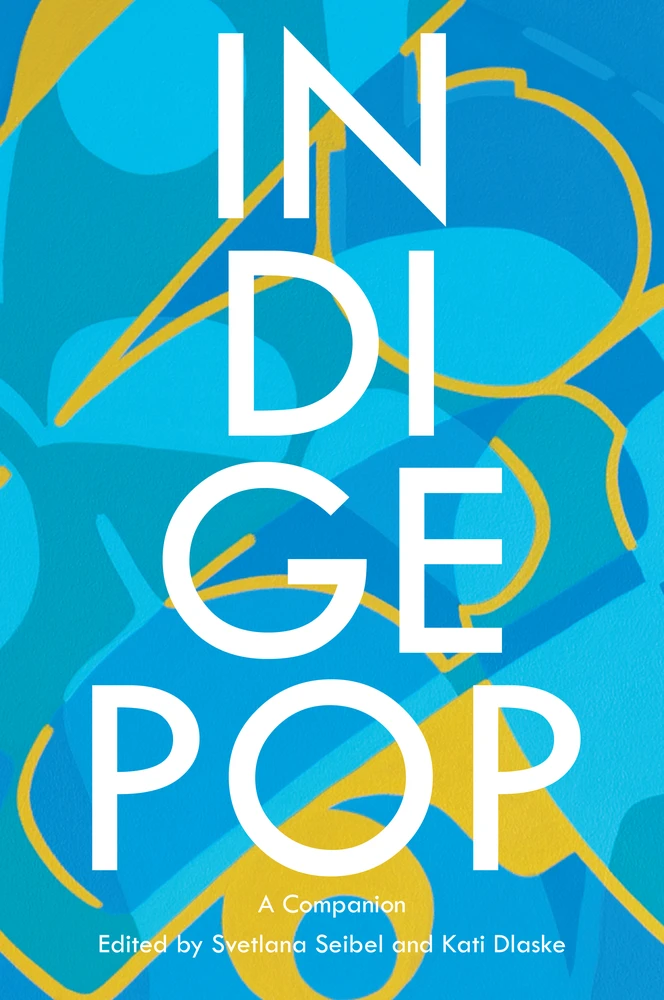
Popular culture moves fast. As we were working on the book, Indigenous popular culture continued its dynamic expansion, going from strength to strength. Dr. Lee Francis 4 (Pueblo of Laguna), the founder of the Indigenous Comic Con and the Executive Director of Native Realities who contributed to IndigePop in more ways than one, is at the center of many of the initiatives in the field, both old and new. We had a chance to interview him at the Indigenous Comic Con back in 2017, and we were delighted and honored when he agreed to speak to us about the state of the art of Indigenous popular culture on the threshold of 2025. His remarks give insights into the latest developments and milestones of Indigenous popular culture, and also situate the book in its larger context.
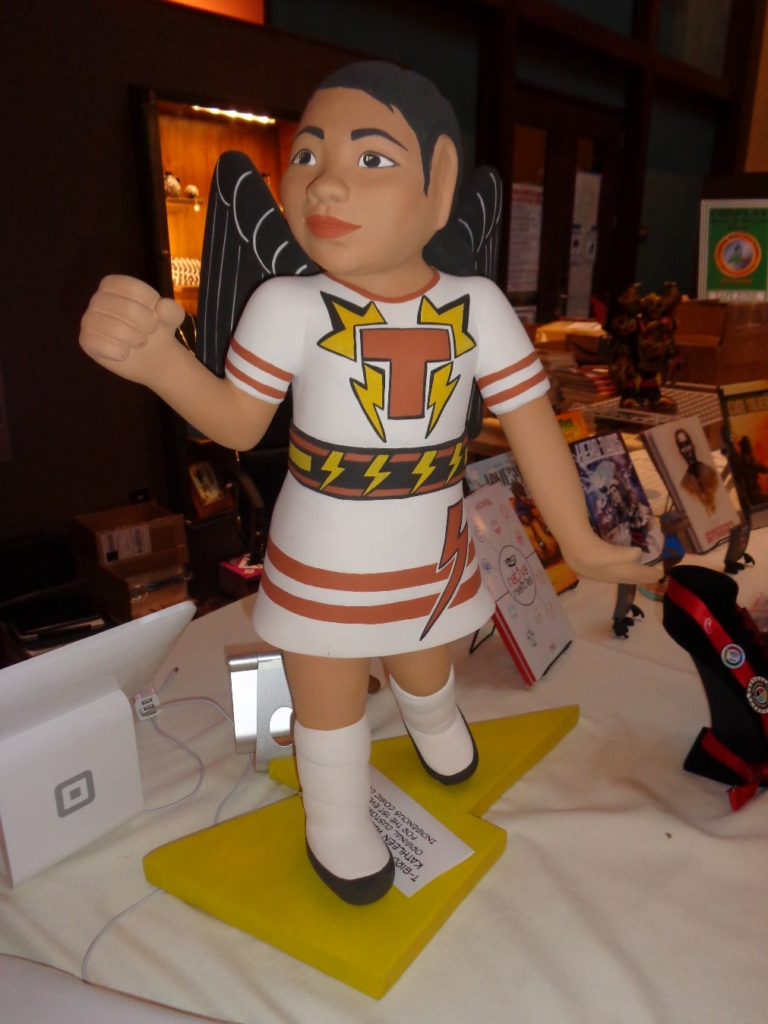
Interview with Dr. Lee Francis 4
12 December 2024, Zoom
*The interview is slightly edited for clarity and readability.
SVETLANA
During our interview back then [in 2017] we asked you about the development of Indigenous pop culture at the time, and where it was at the time. Seven years have passed now – almost exactly, it was November – so, which significant trends and developments have taken place since, in your view? What is the current status of Indigenous pop culture?
LEE
Yeah. When we got started… And I mean, we gotta go back a little bit too, because when I first started working with comics that was 2012, and there was this sort of emerging… There were some folks that were working on things, but really not a lot – there was this small group, the Indigenous Narratives Collective, there was Arigon Starr’s work and John Proudstar and the initial folks that we were working with. And really all the way for that first four years, up until about 2016 when we launched the first Comic Con, there wasn’t… you know, there were people that were really sort of scattered, doing small things. And I think what that first event did was really put a lot of names into the public sphere. And so, what we’ve seen in these last seven years, from 2017 on, is really this explosion of Indigenous pop culture creativity. So you see a lot of folks that have been a part of the comic cons – the IPX and Indigenous Comic Con moving forward – you’ve seen a lot of them just taking off on the work that they have, the collaborations that they’ve contributed to, a lot of the folks that were a part of those initial comic book works that we did, we’re seeing a lot of their work now into the mainstream. You know, just in that time period we’ve seen the rise of a lot more Native television, a lot more Native cinema – so, Prey came out on Hulu; you saw Reservation Dogs, of course, and the work that they did with that; you see the Marvel stuff, you see Echo and you see Kahhori from the What If…? series getting her own comic now. So, you’re seeing a lot of these developments that weren’t really present seven years ago, so I think, really, the biggest impact that we had was putting all of that work front and center and really allowing people to find those people online. I still get folks, but definitely within those three initial years people were contacting us, being like, “Who are your guests? Who are your vendors? We wanna find more artists,” with people coming out to interview and put together projects based on the people that we were working with and collaborating with. So, I think that’s really what we’ve seen, is just this explosion of talent. And now you have all these kids’ books that are out, and you still have more mass media that’s come out – they did the Marvel Indigenous Voices [in 2020], and they’re still releasing pieces of that, those are all people that were really a part of the first inception of this, first couple of years.
SVETLANA
And when you look at all these developments, are there any milestones that you think were particularly influential?
LEE
Yeah, the release of Reservation Dogs – that was, like, three years ago, four years ago – I think that was hugely influential. I think the Marvel Indigenous Voices was hugely influential. So, I think those two were really putting folks into these mainstream conversations and pop culture conversations. I mean, Sterlin Harjo won the McArthur Fellowship within this last year. So, that is what we’re seeing. And then you see the cartoons and the kids’ stuff that’s come out, and Spirit Rangers was another milestone, so you have a kids’ cartoon on Netflix. So I think those are these big moments, but I even think just… obviously, continuing on with the Comic Con, with Pop Culture X, the stuff that we’ve done, now we’re seeing more of those – so, SkasdiCon in Oklahoma, Cherokee Nation; the áyA Con in Denver; these other Native-centered, Native-specific conventions where people are, like, yeah, we still want people to come together, we still wanna have these moments where we can do this kind of work and these collaborative, amazing creative spaces. I think those are still a lot of the great milestones that we’ve had.
SVETLANA
Yeah. I guess the first Comic Con remains this watershed moment for Indigenous pop culture, right?
LEE
Yeah. Yeah. I think 2016 really set a lot of things in motion. And looking back on it, in building careers, connecting up with folks, I think that really… it was so unique, it’s something that I feel was so needed, and continues to be needed, that I was just… I’m always stoked to have founded it and been influential in continuing its success.
SVETLANA
So, it did impact – and change, you could say, also – Indigenous pop culture, right?
LEE
I absolutely believe it did, yeah. I mean, you’ll have to check in with other folks, but for me I think there is a definite change from this moment.
KATI
You talked about this a little bit already, but if you look at the bigger picture, so how do you think, or do you think that the Indigenous Comic Con has had an impact or influence on the popular culture at large?
LEE
I think it gave Native folks, Indigenous folks a space to be able to showcase their talent, and in a different way that wasn’t tied to previous notions of what is Indigenous art. And I still think that that’s the impact. The impact is allowing Native creatives permission, you know – because they know there is a space where they’re gonna be welcomed for doing things that are avant-garde, for doing things that are not conforming to what the Americanized ideal of… the American mythology of Native art, Native identity is supposed to look like. So, you still have cosplay, you still have comic books, you still have these reappropriations of mainstream – or Indiginizations of mainstream pop culture things that Native folks are still grabbing onto and claiming as their own. So, I think it’s still really about the creatives, and I think that that’s the part that has been the longest lasting impact.
KATI
If you think, then, a little bit the other way around, do you think Indigenous representation in mainstream popular culture is improving?
LEE
I think… yeah, slowly, very slowly. You know, when I talk about this, I’m, like, this is four hundred years of Natives in pop culture, and I continue to write about this, this liminal space that Native folks occupy – you still see it. I mean, every year we have to put out, you know, please don’t dress up for Halloween, Natives are not a costume. So, there’s not been this overnight shift, but you’re seeing a lot more in the conversation of folks that are wanting to be much more authentic, much more deliberate in their ways that they’re framing – especially artistically – the ways that they’re writing about or framing Native identity and Native folks and being much more specific about it. There’s still a long way to go, you still see a lot of the same tropes that show up, and it is one of the dilemmas… in any type of identity markers, the dilemma is how do you showcase that in a visual way, so the people understand that that person comes from this particular heritage. With Native folks, because it’s so specific, there are so many cultural tropes, stereotypes, but also touchpoints, because of the interchange of ideas, because of the interchange of art throughout histories and time immemorial, that’s the balance that still continues on, especially as a Native artist. So, how do we recognize that a character or somebody we put out there is Native without certain markings, without certain pieces to that? So, there’s still a balance in that [that] I think is always gonna be a struggle, because our identity has been dictated to us for four hundred years, and we’ve just… I mean, it’s been within two generations, three generations that we’ve been reclaiming it – in mass media, in popular media.
KATI
Yeah, yeah. The Indigenous Comic Con took place in North America, and many of the developments that we’ve been talking about had been taking place in North America as well. So, if you think in more global terms, how do you see Indigenous popular culture globally, developing on a more global scale?
LEE
There’s so much great work that’s going [on]… So, it exists sort of in two frames. I think you definitely see the idea of the Native American as a global concept, and so that’s still something that we’re trying to change those perceptions, because… I think that because it was American pop culture spreading everywhere you still have these entrenched views of what Native America is. For global Indigeneity, I think you’re still looking at an evolving terminology around how we’re codifying what does that mean. So, in some of my travels – obviously, we hosted a Comic Con in 2019 in Australia, and so talking about that, seeing what folks have been doing down there, and my colleague that was the host for that event [Cienan Muir] continues talking about Indigenous Australian identity and what does that mean for their popular culture. Because they have a different set of movies and films, and identity, but you can see things – I think one of the movies down there that was really solid… or it was a TV show, called Cleverman, and that was going on in 2017, I believe, and that was an Indigenous person with superpowers, and what they were doing with that. Now, that didn’t make it this direction, but it was something that was internal. You see the same thing with our Māori relations in New Zealand, they’re making comics and they’re putting things forward. So, I think a lot of this is using this medium, this pop culture spheres to be able to address the ways in which representation has been detrimental to Indigenous communities. And I think that that’s what we’re seeing globally – a lot of it having to do with digital access, and the ease with which you can put a lot of this forward.
KATI
We’ve been talking about the recent developments in the past years now, but there are certainly many exciting developments in Indigenous popular culture ahead. So, what is the vision going forward? Are there any specific new initiatives you would like to mention?
LEE
Yeah. This next year we’re going to be here on the East Coast, so we’ll be out here in North Carolina, so focusing some attention out here to our East Coast relatives, because, again, this concept of Indigenous identity is very Western-oriented. And so, wanting to continue the conversation and allow for Native creatives that are Eastern relations to be able to showcase their work as well, and inspire them to be a part of some of that stuff. So that’s one of the big things that I’ve been working on the last couple of years, really trying to get a lot of this work grounded on the East Coast and being able to tell more of these Eastern stories. I think that we’re doing a lot around world building. The new organization that we’ve brought everything under these last years is called the Indigenous Imagination Workshop, so the idea is how we’re cultivating a lot of these concepts coming from these places of fantasy and science fiction and Indigenous futurisms, how are we now applying that in our own communities. Like, what do we want for these fantastical worlds? If we have these superpowers, what do we do with them? How do we make our communities better? And then, how do we actualize that, that’s the inspiration to spark the imagination. So, I’m working on a piece right now that talks about this intersection of generational trauma, and intergenerational trauma, and its effects on the imagination. And so, what does that look like when you have… or doom and imagination, right? We can see all the terrible things, but we have continued to survive, and thrive in many ways, and so how does that look when you’re having to deal with trauma, ‘cause trauma creates roadblocks for imagining. So, how do we work through those and utilize pop culture and utilize these spaces to spark that imagination in our next generations?
SVETLANA
And one last question maybe. I was thinking about the importance – and we stressed it in the book as well – the importance of the celebratory aspect of Indigenous popular culture, the celebration and the having fun. So, I was wondering whether you have any thoughts on that.
LEE
I think it still comes down to celebration, right? Like, how do we have moments of joy? Even within the framing… I mean, everything is always political, but it’s this… I think the counterpoint in pop culture that still holds true, what we have available to us is to find ways to celebrate our identity, our continued exitance, without fetishizing tragedy. Because that’s been the perpetual narrative, it’s about fetishizing Native tragedy – everything [that] happened, look at the poor…, you know, look how terrible everything is for them. And so, the celebration, also, it’s celebration of resistance, celebration of empowerment. Celebration, I believe, gives you agency, and gives people the chance to… when you can celebrate, in moments, then you are able to more effectively dictate the terms through which you are going to navigate a colonial/postcolonial society.
SVETLANA
Yeah, very true. Thank you so very much, this was great! Thank you for your time, and for doing this.

Dr. Lee Francis 4, aka Dr. IndigiNerd, is the CEO of A Tribe Called Geek (ATCG) Media and the Executive Director of Native Realities, both of which are dedicated to creating pop culture media that celebrates Indigenous identity. He is the founder of the Indigenous Comic Con and an award-winning editor of over a dozen comic books and graphic novels. Lee has won accolades for his work on Ghost River, Sixkiller and Native New York. You can find more about his work on social media @dr_ indiginerd. He lives in North Carolina with his family.
Series Editors: Professor Maria Isabel Romero Ruiz and Dr Sarah-Anne Buckley share their vision for the Gender and the History of Institutions series
This new book series welcomes studies of the history of institutions globally through the lens of gender. It emanates from conversations we have had with colleagues and scholars in the fields of gender history, the history of institutions, the history of religion, the history of poverty and the history of childhood and youth.
Much of the recent interest in institutions such as asylums, hospitals, prisons, religious organisations and other often carceral institutions have focused on the treatment of ‘historical’ abuse. Our aim is to not only provide a platform for a discussion of these institutions and those affected by them, but also to make visible lesser known institutions and archives. By illuminating the lived experience of those directly affected by their time in these institutions, and those who worked there and in the local communities surrounding them, we aim to broaden the conversation surrounding confinement, incarceration, poverty, religious involvement in health and welfare, and differences across the globe.
The series will also cover new analyses and interpretation of sources that have already been discussed by historians of crime, poverty, violence, gender, sexuality, childhood and youth since the 1970s. Engaging in an interdisciplinary manner, we can shed more light on how the institutions operated, how they were supported, the underlying need for them and the perspective of both those placed in the institutions and those who worked there. This will allow a more complete understanding of the operation of different individual institutions throughout different historical periods and locations while also foregrounding hitherto neglected or unavailable sources. We particularly welcome new approaches to the topic and encourage scholars of all career stages to engage with us.
We believe understanding and exploring the experiences of individuals in institutions for regulation, control, rehabilitation, reform or punishment can encourage a greater sense of citizenship and solidarity at the present time as well as promoting a culture of empathy in our contemporary societies for those who are survivors and affected by institutions both in the past and in the present.
While we are looking broadly at gender, we are focused in particular on institutions where women and gender minorities have been the victims of abuse, discrimination and violence in the past and in the present. The idea is to envisage common experiences by those who lived part of their lives in these places of incarceration and find new ways to interpret social behaviour and cultural norms in diverse geographical locations where gender has been determinant in the way individuals have been treated throughout history.
All books in the series – both monographs and edited collections – will be published in English, but we intend to give diversity and plurality to the choice of institutions with a variety of settings that can enhance a comparative discussion of the role of gender in these organisations, not only in English-speaking countries but also in other parts of the world. We encourage scholars to look globally but are also very happy to receive submissions based on national, local or regional research. We are open to scholars of all career stages, and we aim to reach a broad audience beyond academia.
For further information, please contact Dr Laurel Plapp, Senior Acquisitions Editor, at Peter Lang at l.plapp@peterlang.com.
We’re always so thrilled to share the reviews our titles receive, many from respected academics at world-renowned institutions. These reviews are a testament to our authors and the incredible work they do. You can find the full reviews linked below, as well where to purchase a copy of the book on our website.
Congratulations to all our authors and thank you to those who took the time to review them.
Review Highlights
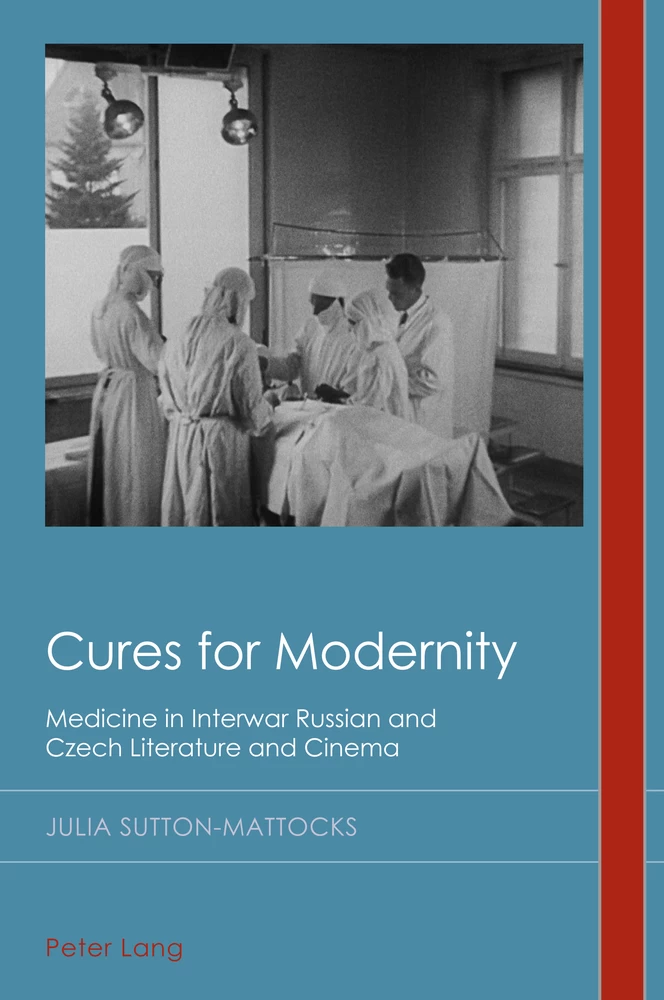
Title: Cures for Modernity: Medicine in Interwar Russian and Czech Literature and Cinema by Julia Sutton-Mattocks
Review by: Melissa L. Miller, Colby College
“This monograph makes an original and significant scholarly contribution, in addition to being a gripping read. Not only is it the first book in English to compare Russian and Czechoslovak literature and film of the interwar period in such a comprehensive way, but it does so via the growing discipline of the medical humanities. The book’s greatest strength is its attention to detail, exemplified by Sutton-Mattocks’s close readings of the medical implications of the creative works she selects.”
Featured in: Modern Language Review, Volume 120, Issue 1 (2025), pp. 184-85
Link: https://doi.org/10.1353/mlr.00061
Title: Sprache und literarische Gestalt des Buches Deuteronomium by Georg Braulik & Norbert Lohfink
Review by: Miroslav Varšo
“Bez preháňania možno konštatovať, že žiadny seriózny komentár ku Knihe Deuteronómium sa v budúcnosti bez spomenutých dvoch monografií nezaobíde. Aj preto ich možno pokladať za prelomové štúdie a v biblickej vede sa iste zaradia medzi klasické manuály. Na záver nemožno nevyjadriť hlbokú vďaku obom autorom, G. Braulikovi a N. Lohfinkovi, za celoživotné úsilie a lásku, s akou pracovali a pracujú s biblickými textami, a prirovnať ich k znalcom Písiem, učeníkom, ktorí sa nesmiernym úsilím a hlbokou pokorou dopracovali k pokladom a ako dobrí hospodári po celý život vynášajú zo svojej pokladnice veci nové i staré”
Featured in: Studia Biblica Slovaca, Volume 14, Number 1 (2022), pp. 115-22
Link: https://biblica.sk/en/download/stbisl-14-1-2022/
Title: Gesture in French Post-New Wave Cinema by François Giraud
Review by: Janet Harbord, Queen Mary University of London
“François Giraud’s book is a prismatic contribution to an enquiry that has developed over the past two decades into the significance of gesture in cinema. […] There is something fresh and energized in the exploration of this idea in the relatively small pocket of films that constitute the post-New Wave cinema, understood both as the generation of filmmakers who came after the French New Wave, and as those who were politicized by the events of May ’68.”
Featured in: French Studies, Liverpool UP, Volume 79, Number 1 (2025), pp.140-41
Link: https://doi.org/10.3828/fs.2025.79.1.50
Title: Misbeliefs about Autonomy: The Constitutionality of the Autonomy of Szeklerland by Attila Dabis
Review by: Benedikt Harzl
“So lässt sich zusammenfassend sagen, dass Misbeliefs about Autonomy eine wertvolle und bereichernde Ergänzung zur bestehenden Fachliteratur im Bereich nationaler Minderheiten im Kontext von Recht und Politik darstellt. Für Forscher als auch Praktiker, welche sich mit der Grundthematik auseinandersetzen, bietet das Werk fundierte Einblicke in ein – und das hat bedauerlicherweise festgehalten zu werden – weitgehend unterbelichtetes Thema.”
Featured in: Europäisches Journal für Minderheitenfragen, Volume 17, Issue 3-4 (2024), pp. 356-60
Link: https://biblioscout.net/article/99.140005/ejm202403035601
Looking for impactful holiday gifts? Benefit from our holiday offer.
We are pleased to be able to present our holiday offer to you over the next few weeks. During this period, we are putting together four themed title sets until Christmas, and you can even save money on your purchase. Each set is carefully curated to provide valuable insights and knowledge on various themes, making it an ideal opportunity to expand your personal or institutional library. Whether it’s for a colleague, a friend, a family member, or even for yourself, these books offer inspiration and also encourage reflection and action.
Offer and theme 4: Focus on Literature. Get 15% off* from December 11, 2024, until January 01, 2025, of these titles
Literature helps us explore humanity’s most profound questions, offering insights into culture, creativity, and emotion. In this final week of our Holiday Sale, Peter Lang Group is proud to present a selection of titles that celebrate the power of the written word.
Featured titles:
- On the Tragic🔗 https://www.peterlang.com/document/1350283
- Bande dessinée et engagement 🔗 https://www.peterlang.com/document/1472966
- Unoriginelle Literatur um 1800: Nachahmung nach der Nachahmungspoetik 🔗 https://www.peterlang.com/document/1418484
- Los novísimos: Medio siglo de poesía española 🔗 https://www.peterlang.com/document/1513076
🎁 Our holiday offer for you: From December 20, 2024, to January 17, 2025, use code CSW4 for 15% off* these titles at https://www.peterlang.com.
Don’t wait, explore our featured titles today and bring the gift of literature into your life or the life of someone you care about. Begin the new year with the timeless gift of literature – stories and ideas that resonate across generations.
——
Offer and theme 3: Focus on Environmental Studies. Get 15% off* from December 11, 2024, until January 01, 2025, of these titles
Our third holiday promotion highlights the Peter Lang Group’s commitment to sustainability. We print all books on demand and work digitally, to ensuring zero waste, use sustainable products, and actively support Evertreen, a global tree-planting initiative.
Share the gift of knowledge this year. The following carefully selected titles are ideal for nature enthusiasts and those dedicated to fostering a sustainable future.
Featured titles:
- Breonna Taylor and Me: Black Women, Racial Justice and Reclaiming Hope, https://www.peterlang.com/document/1326015
- Bra Wars: The Struggle Against Decency, https://www.peterlang.com/document/1326015
- LGBTIQ Communities: Lebenswelten und Diskurse seit 1970*, https://www.peterlang.com/document/1400111
- Modelos femeninos en la literatura y el cine del mundo hispánico: Adaptaciones de obras literarias contemporáneas, https://www.peterlang.com/document/1342568
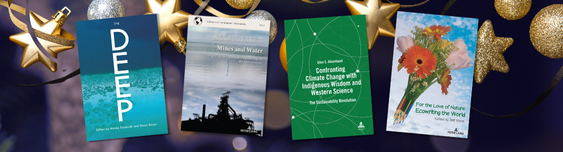
🎁 Holiday Offer: Enjoy 15% off* these titles with code CSW3 at https://www.peterlang.com from December 11, 2024, to January 1, 2025.
Let’s take action for our planet. Explore these books, support environmental initiatives, or join local efforts to protect our shared home.
——
Offer and theme 2: Focus on Diversity, Equity, and Inclusion – receive 15% off* from December 02 to 23, 2024
Our second holiday promotion focuses on a core value of the Peter Lang Group: diversity, equality and inclusion. This year, we have further strengthened our commitment to this important topic. That’s why our DEI working group is dedicated to ensuring that every aspect of our publishing process, from acquisitions to marketing, that we elevate marginalised voices and dismantle bias. By promoting these works, we honour our commitment to diversity and inclusion. We invite you to join us in shaping a more equitable academic landscape. If you want to get more information about DEI at the Peter Lang Group, have a look here.
Featured titles:
- Breonna Taylor and Me: Black Women, Racial Justice and Reclaiming Hope, https://www.peterlang.com/document/1326015
- Bra Wars: The Struggle Against Decency, https://www.peterlang.com/document/1326015
- LGBTIQ Communities: Lebenswelten und Diskurse seit 1970*, https://www.peterlang.com/document/1400111
- Modelos femeninos en la literatura y el cine del mundo hispánico: Adaptaciones de obras literarias contemporáneas, https://www.peterlang.com/document/1342568
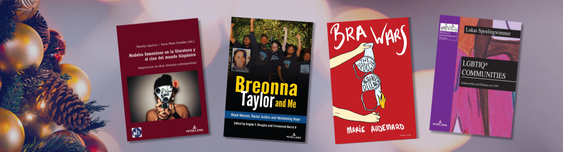
🎁 Holiday Offer for you: Use code CSW2 at checkout on www.peterlang.com from December 2 to 23, 2024, and benefit from a 15% discount* on these selected works.
——
Offer and theme 1: Receive a 15% discount* from November 18 to December 15, 2024, on AI and digitalisation titles
We present four standout publications that explore critical topics in AI and digital transformation, which are ideal for anyone focused on the future of technology and knowledge. Each publication offers unique perspectives and valuable insights because they delve into the latest advancements, challenges and opportunities in artificial intelligence and digitalisation. These titles are a must-have for staying ahead in this rapidly evolving field.
Featured titles:
- Ethics for ChatGPT: What AI Can and Should Do, https://www.peterlang.com/document/1470694
- Algorithmic Audience in the Age of Artificial Intelligence: Tailored Communication, Information Cocoons, Algorithmic Literacy, and News Literacy, https://www.peterlang.com/document/1282554
- The Art of Thinking in a Digital World: Be Logical – Be Creative – Be Critical, https://www.peterlang.com/document/1436624
- Cultural Recycling in the Postdigital Age, https://www.peterlang.com/document/1398284
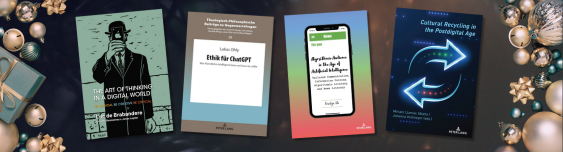
🎁 Holiday Offer: From November 18 to December 15, 2024 use code CSW1 at checkout on www.peterlang.com and enjoy 15%* off these featured titles.
——
Stay up to date on our website and look forward to the next offers.
*Discount is not available in countries with fixed book prices
Peter Lang is delighted to announce the winner of the 2024 Peter Lang Reimagining Ireland Book Prize:
Audrey Robitaillié, Lecturer, Institut Catholique de Toulouse (UR Ceres, TR1)
The Multifaceted Changeling: Rewritings of the Folk Figure in Contemporary Literature
We congratulate our winner! The judges deemed the entry to be thoughtful, really well written and excellently put together. They were pleased to see that it tapped into a topic of increasing importance in the study of Irish literature today.
The resulting book will be published as a Gold Open Access title in the Reimagining Ireland series, making it freely available to a global audience.
Learn More & Stay Connected
To learn more about the Peter Lang Reimagining Ireland Book Prize and upcoming titles, please visit our website 2024 Reimagining Ireland Book Prize – Peter Lang.
To explore titles in the series, visit the series homepage Reimagining Ireland
For more information, please contact Tony Mason (a.mason@peterlang.com)
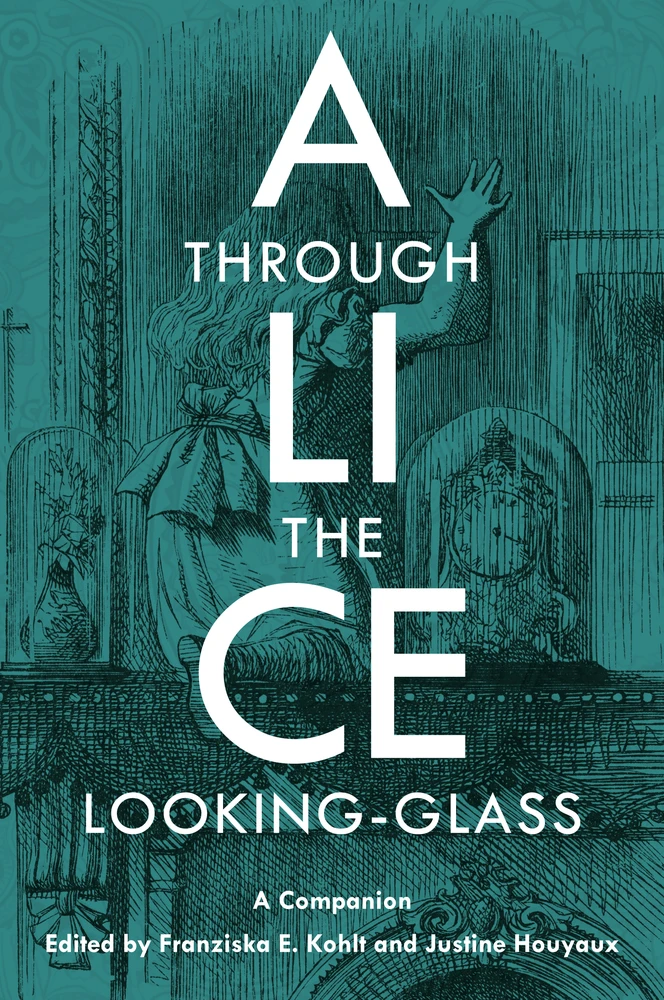
The 2024 book launches of ‘Alice Through the Looking-Glass: A Companion’ edited by Franziska E. Kohlt and Justine Houyaux were more than just book signings. They were immersive experiences that explored the mind of Lewis Carroll and the enduring legacy of his work. Held in two iconic locations—Oxford, the birthplace of Alice’s Adventures in Wonderland, and Los Angeles, the birthplace of Disney’s cinematic adaptations—these events demonstrated the power of a well-executed book launch, and how authors and editors can build on their research to craft an event. Here we explore what makes a successful book launch as part of an author marketing strategy.
Why Book Launches Matter
A successful book launch strategy can significantly boost a title’s visibility, generate buzz, and foster a dedicated readership. It’s an opportunity to connect with readers, colleagues, and fellow authors, to illustrate what the book can offer them and their own understanding of the topic.
The Magic Behind the Success
The book launches for ‘Alice Through the Looking-Glass’ were particularly successful due to a combination of factors:
1. A Unique Setting:
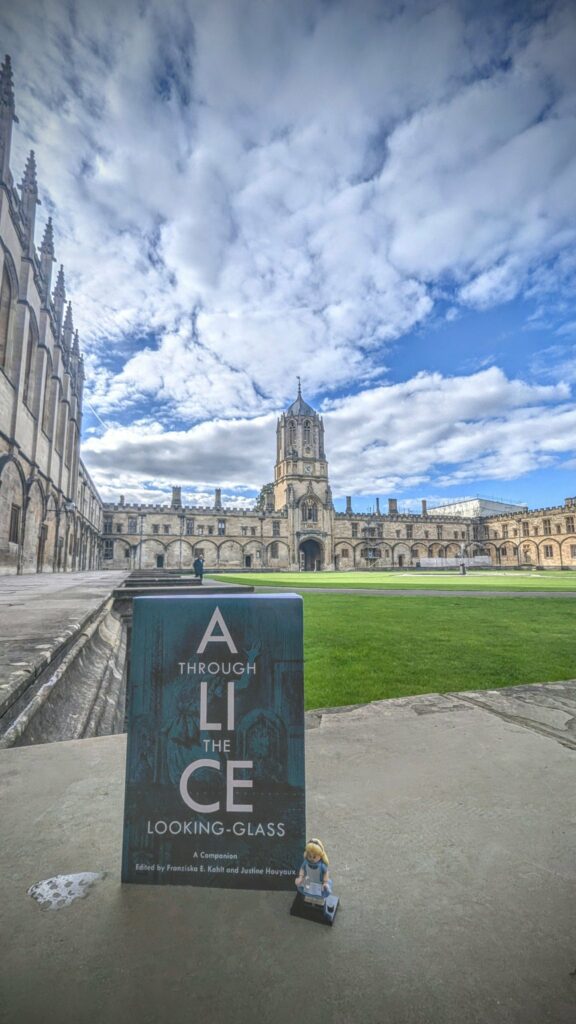
Oxford: By choosing Oxford, the editors tapped into the rich history and literary heritage of the city. As Franziska E. Kohlt explained, “The Oxford launch was a bit of a full, circle moment – I had worked with the archives kept at the library of Christ Church, where Lewis Carroll had lived and worked most his life, where he had met Alice, and written the Alice books, for such a long time.” This setting, so integral to the book itself inspired insightful discussions and tapped in to the historical context of Carroll’s work.
Los Angeles: This vibrant city provided a platform to better explore the cinematic adaptations of Alice and the evolving landscape of storytelling in the digital age.
“Both settings thus gave us access to unique discussions, with diverse audiences – to rethink pasts and futures of the interplay of arts, beliefs, society and technology – aspects whose intertwined nature we were keen to highlight in our book, and whose past and present echoes, we could reflect on (pun intended!), playfully – in a Carrollian spirit.” Kohlt
2. Engaging Programming:
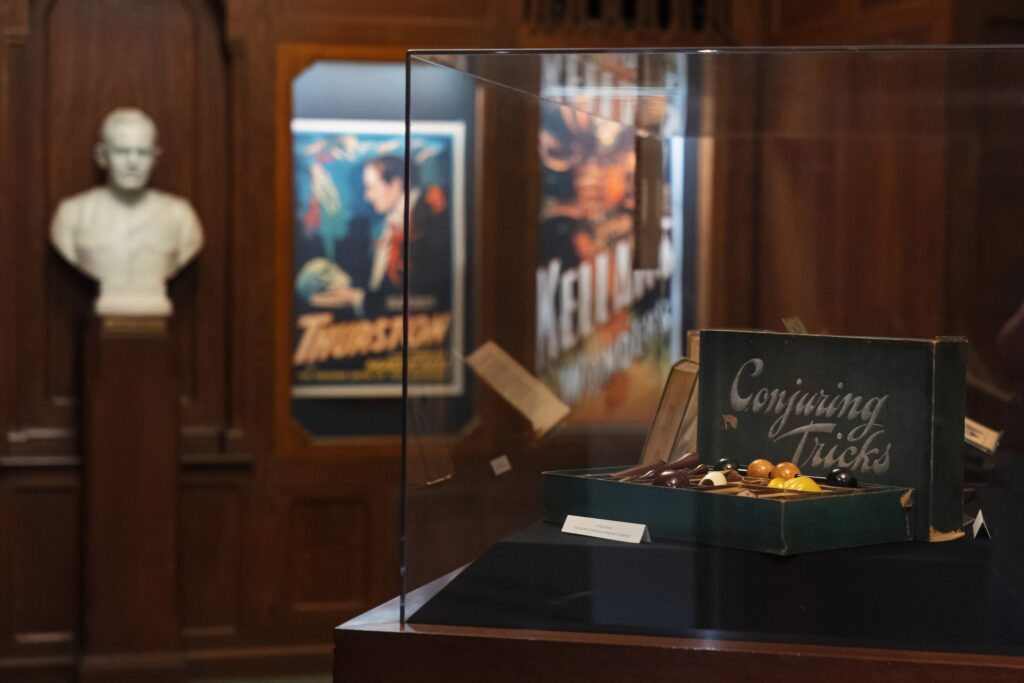
Expert Panel Discussions: The launches featured expert panel discussions with scholars from various disciplines, offering diverse perspectives on Carroll’s work. As Kohlt noted, “At the Oxford launch we had the unique opportunity to hear from speakers from Victorian Literary Studies, History of Science, Theology, Business Studies and Theatre Studies, who could point to the items, and the places referenced in their articles.”
Interactive Exhibitions: By curating exhibitions of historical artifacts and related items the editors created immersive experiences that brought the book to life. The editors were inspired to convene an exhibition on the history of early cinematic technology, “beginning with early optical trickery to the history of its uses in magic and technology and how they shape our perception and understanding.”
Thematic Performances: Tying in magic lantern shows and other performances to the launch added a theatrical element reinforcing the book’s themes. A highlight was an Alice-themed Magic Lantern show commissioned especially for the launch. Related exhibitions encouraged attendees who may not have originally been aware of the book or the launch.
3. A Strong Author Presence:
Personal Insights: Kohlt shared personal anecdotes and insights into her research process, creating a deeper connection with the audience. She reflected on the complexities of Lewis Carroll and how his multifaceted nature shaped his writings. earing Hearing firsthand from an author or editor about how the book came to be can bring the book and its contents to life for a potential readership.
Engaging with Readers: By actively engaging with readers through book signings, Q&A sessions, and social media, the author fostered a sense of community. Community is increasingly important in academia, with a strong academic network supporting one another both in book sales and in future research opportunities.
By combining these elements, these book launches were not just promotional events; they were cultural and community experiences that celebrated the enduring appeal of Lewis Carroll’s work and its relevance to contemporary issues.
What Other Authors Can Learn
Build your successful book launch strategy by considering a few things:
- Choose the Right Setting: Consider the themes of your book and select a location that aligns with its message.
- Create Engaging Programming: Offer a mix of academic discussions, creative performances, and interactive elements where appropriate to appeal to your audience.
- Leverage Social Media: Use social media to build anticipation, share behind-the-scenes content, and connect with readers.
- Collaborate with Experts: Partner with scholars, artists, and industry professionals to enhance the credibility and impact of your launch.
Discover this fascinating book for yourself, and see the wider impact and public interest of this subject here: Alice Through the Looking-Glass – Peter Lang Verlag
For more information on the topic, you can find some great features from the BBC where editor Dr. Franziska E. Kohlt contributed.